


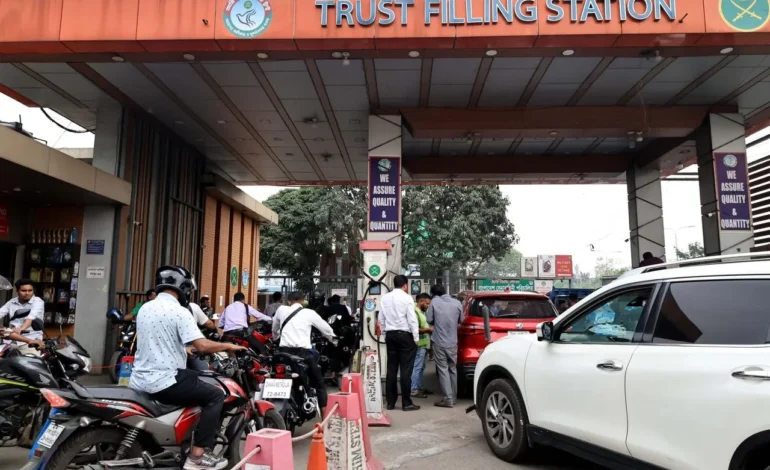

Bangladesh is experiencing a growing fuel crisis as tensions in the Middle East disrupt global energy routes, creating uncertainty for millions preparing to travel for major religious holidays. Long queues have formed at petrol stations across the capital Dhaka as fuel rationing measures take effect ahead of Eid al Fitr and the Christian celebration of Easter. The situation has raised concerns among citizens who rely on road transport to visit families during the festive season. Authorities have introduced temporary measures to stabilize supply, but many residents remain unsure whether fuel availability will improve before the holidays begin.
The crisis has been linked to instability in the Strait of Hormuz, one of the most critical oil shipping routes in the world. The waterway off the southern coast of Iran handles a large share of global crude shipments, and ongoing military tensions in the region have increased uncertainty about the safety of tanker traffic. Bangladesh depends heavily on imported energy and receives the vast majority of its oil from overseas markets. With more than ninety percent of its oil supply coming from imports, even minor disruptions to international shipping lanes can quickly affect domestic fuel availability and prices.
The effects of the shortage are already visible across the country as citizens rush to secure fuel and transport ahead of the busy holiday travel period. Millions of people typically leave Dhaka each year to celebrate Eid with relatives in rural regions, while smaller Christian communities prepare to travel for Easter observances. Government officials estimate that around fifteen million people are expected to travel from the capital during the Eid holidays alone. Panic buying has added pressure on supplies, with reports indicating that fuel purchases have more than doubled in early March as drivers attempt to secure reserves.
Many travelers say the situation has left them uncertain about their ability to return home for religious celebrations. Some workers in the capital report difficulty securing transportation tickets because bus companies are reluctant to confirm journeys without guaranteed access to fuel. For families living far from the capital this has created anxiety about whether they will be able to reunite during important cultural and religious events. In a country of about one hundred eighty million people where the majority observe Muslim festivals but Christian communities also mark Easter, the energy shortage is affecting people across different faith traditions.
Government officials have announced several measures to manage traffic and fuel use during the holiday period. Authorities plan to temporarily restrict the movement of freight trucks and heavy vehicles on major highways in the days surrounding Eid to ease congestion and reduce fuel demand. At the same time stations supplying compressed natural gas and motor fuel have been instructed to remain open continuously for several days before and after the holiday. Officials say these measures are intended to support travelers while ensuring that essential goods continue to reach markets.
Energy authorities in Bangladesh say current stock levels should be sufficient if consumption stabilizes, but they warn that excessive hoarding could worsen shortages. Officials from the state run Bangladesh Petroleum Corporation have suggested that panic buying rather than actual supply shortages may be driving some of the demand surge. They caution that if fuel continues to be purchased at unusually high levels existing reserves could be depleted more quickly than expected. Monitoring and distribution measures are therefore being strengthened to prevent speculative stockpiling.
The fuel disruptions highlight how conflicts in distant regions can quickly influence everyday life in countries that rely heavily on imported energy. For Bangladesh the situation illustrates the vulnerability of developing economies to global supply chain shocks and geopolitical instability. As the holiday season approaches many citizens continue to watch developments closely, hoping that supply conditions improve in time for families to gather and celebrate their religious traditions.