Pilgrims Travel to Assisi as St Francis Relics Go on Public Display After 800 Years
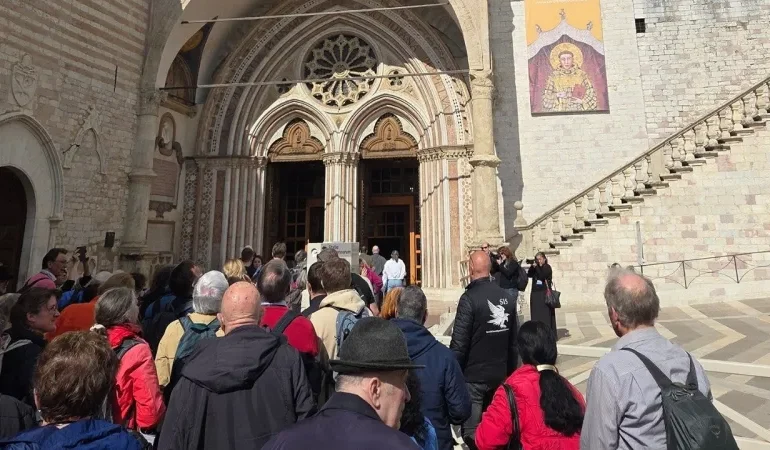

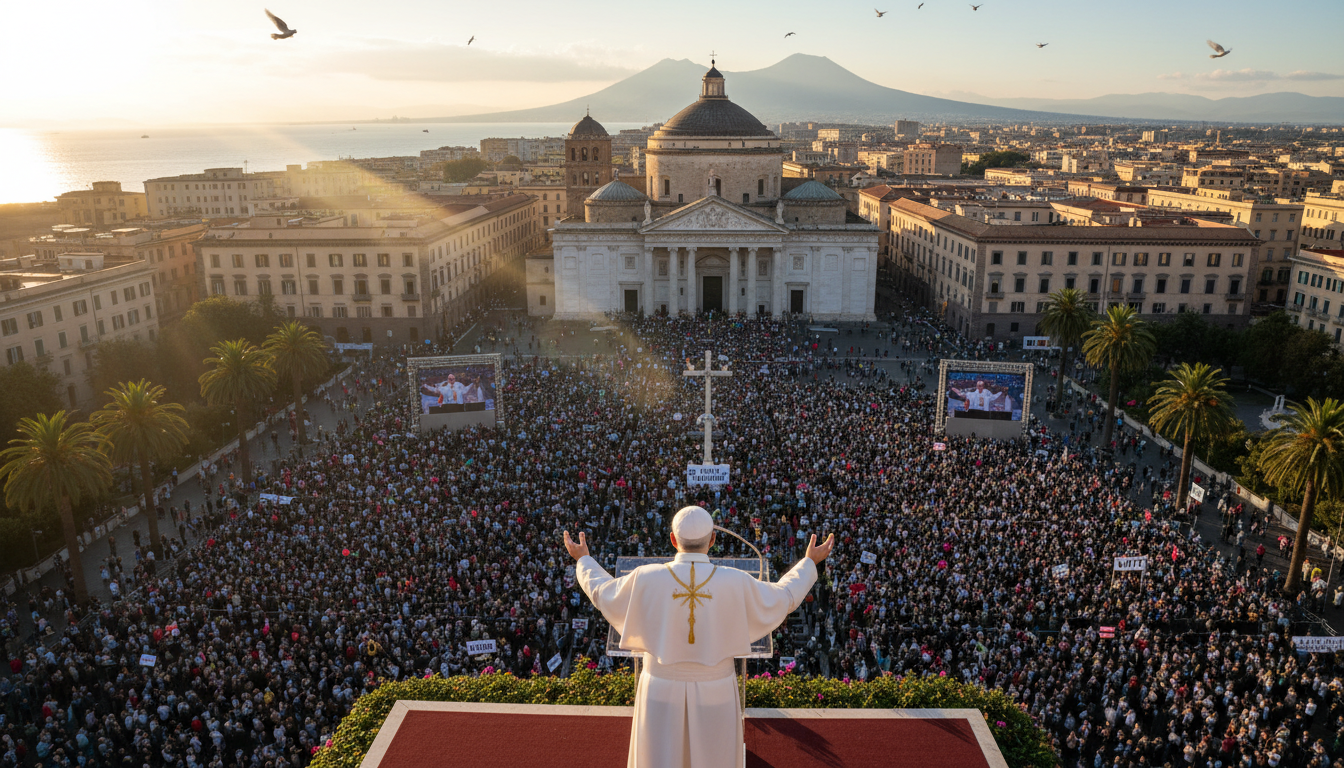
Hundreds of thousands of pilgrims are traveling to the Italian hill town of Assisi this month to venerate the remains of St Francis of Assisi, one of the most revered figures in Christian history. Church authorities opened the display of the saint’s bones to the public as part of events marking the eight hundredth anniversary of his death. The rare exhibition has already drawn around 220000 visitors from across Italy and many other countries. Franciscan friars who oversee the basilica believe that the number of pilgrims could reach nearly 400000 before the month ends, reflecting the enduring spiritual influence of the medieval saint.
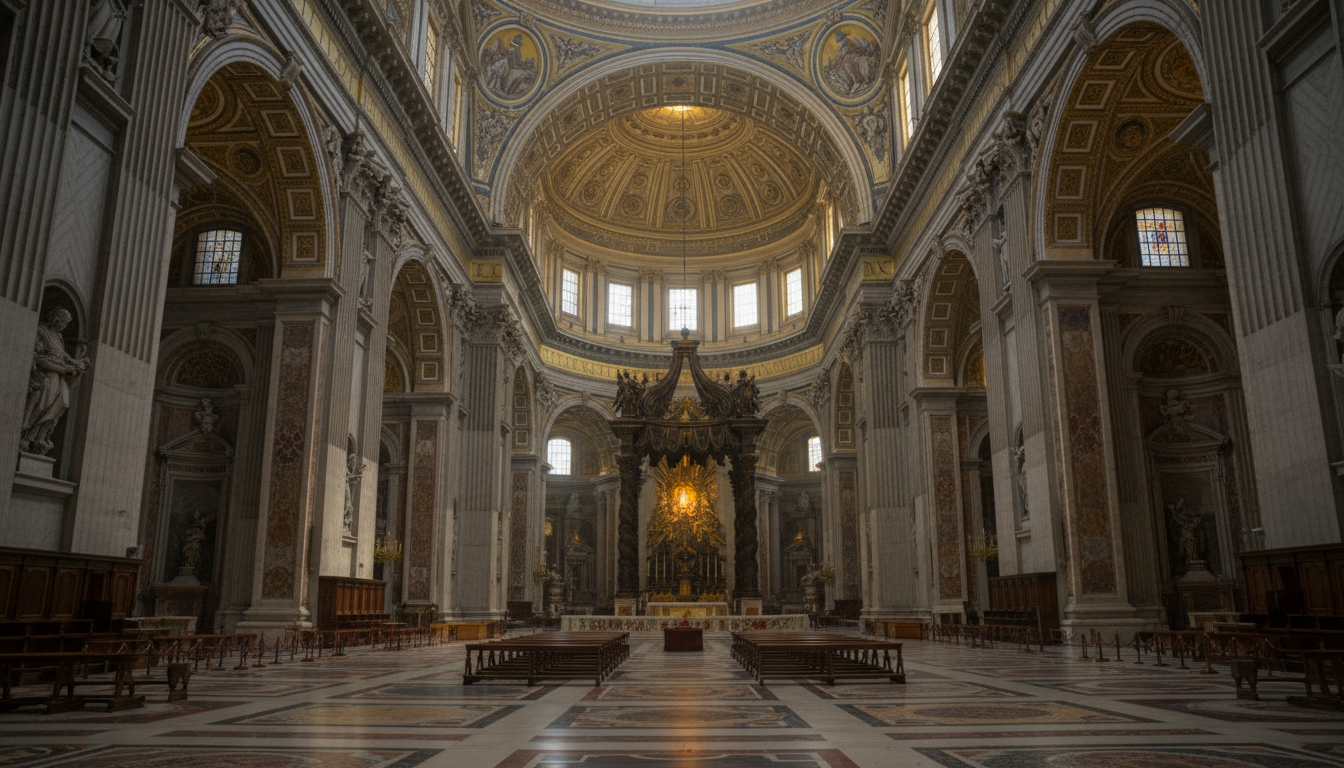
Visitors gather daily at the Basilica of St Francis, the historic church that houses the saint’s tomb. Pilgrims queue patiently inside the lower basilica where the relics have been placed before the main altar for public veneration. Groups move slowly through the sacred space and pause briefly to pray in silence before the exposed remains. Many pilgrims travel long distances to participate in the moment of devotion. Clergy in Assisi say the atmosphere inside the basilica remains deeply reflective as visitors contemplate the life and teachings of a man whose message continues to resonate across centuries.
Franciscan friars serving the basilica say the display offers pilgrims a chance to reconnect with the spiritual heritage associated with St Francis. Many visitors speak about experiencing a sense of peace and reflection during their time in Assisi. Members of the Franciscan order explain that the event is intended not simply as a historical commemoration but as an invitation to rediscover the ideals that shaped Francis’s life. His emphasis on humility compassion and fraternity remains central to Christian spirituality and continues to inspire believers who travel to the city seeking guidance and renewal.
Clergy working with pilgrims emphasize that the legacy of St Francis extends far beyond the medieval world in which he lived. Francis found deep personal transformation through his faith and chose a life devoted to poverty service and reconciliation. Franciscan priests in Assisi say that the peace Francis discovered through his relationship with God offers an important example for people living in a time marked by conflict and uncertainty. They say that inner spiritual peace can influence families communities and societies by encouraging compassion dialogue and mutual respect among individuals.
St Francis died in 1226 and had originally asked to be buried outside the walls of Assisi in an area once associated with executions. That site later became the location of the Basilica of St Francis which was constructed to protect and honor his remains. The complex includes two levels and is famous for frescoes that illustrate the saint’s life and mission. For centuries the basilica has served as one of the most important pilgrimage sites in the Catholic world attracting visitors who seek to reflect on Francis’s message of simplicity care for creation and dedication to peace.
The current exhibition of the relics is extremely rare. Before this year the bones of St Francis had only been displayed publicly once since his death and that occasion lasted just one day in 1978. Church officials decided to extend the display for an entire month in order to allow pilgrims from many parts of the world to participate in the anniversary observance. Franciscan communities say the strong turnout of pilgrims demonstrates that the saint’s teachings still speak to people searching for meaning compassion and unity in modern society.