

Amazonian Church Strengthens Synodal Path with New Leadership and Cultural Focus
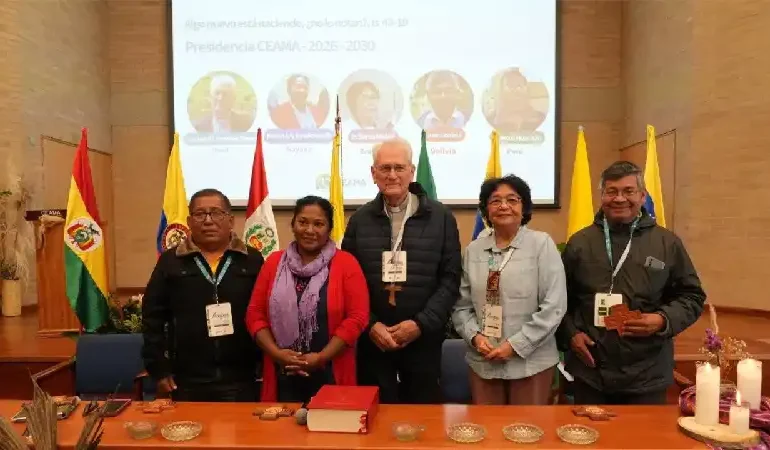

The Ecclesial Conference of the Amazon has renewed its leadership for the 2026 to 2030 period, reinforcing its commitment to a synodal and mission driven Church that reflects the diversity of the Amazon region. During its General Assembly, Church leaders gathered to evaluate their mission and define shared priorities for the years ahead. The process emphasized unity across different cultures, ministries, and communities, while responding to social, ecological, and spiritual challenges facing the region. The renewed structure reflects an ongoing effort to align local realities with a broader vision of participation and shared responsibility within the Church.
The newly elected leadership includes representatives from multiple countries and vocations, highlighting the inclusive character of the Amazonian Church. This diversity is seen as essential to strengthening synodality, where decision making and mission are shaped collectively rather than centrally. Church leaders described the assembly as an opportunity to deepen reflection on their role and to continue building a path rooted in dialogue and cooperation. The renewed mandate also draws inspiration from earlier Church guidance focused on addressing social inequality, cultural identity, environmental protection, and pastoral needs across the Amazon territories.
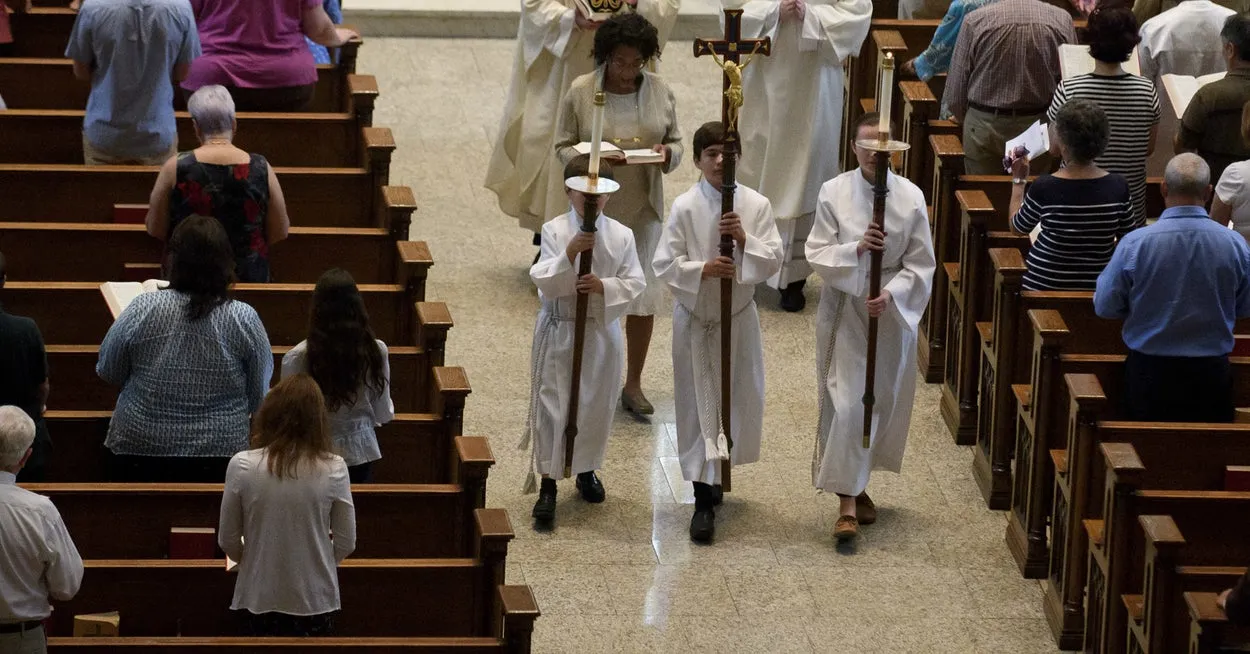
A significant aspect of the assembly was the active participation of lay representatives, including voices from Indigenous communities. Their presence reflects a broader effort to ensure that local traditions, knowledge, and experiences are integrated into Church life and decision making. Leaders emphasized that intercultural engagement is not only a value but a necessity in a region marked by rich diversity and complex realities. Educational and community initiatives were highlighted as key tools in preserving identity while supporting development, especially among younger generations growing up in remote and underserved areas.
Discussions also addressed the role of communication in shaping global awareness of the Amazon. Church officials noted that international narratives often overlook the region unless crises occur, limiting understanding of its deeper challenges and contributions. They called for more inclusive and creative communication strategies that allow local communities to share their own perspectives. This approach aims to ensure that the realities of the Amazon are represented more accurately and consistently, while resisting external narratives that may not reflect the lived experiences of its people.
The assembly reaffirmed its commitment to defending life, protecting human dignity, and promoting care for the environment as central elements of its mission. Church leaders emphasized the importance of continuing a path that supports both spiritual growth and social development, particularly in regions facing environmental and economic pressures. The renewed leadership and priorities signal an effort to strengthen the Church’s presence in the Amazon through collaboration, cultural respect, and sustained engagement with the communities it serves.