


Church Backed Analysis Reveals Escalating Violence and Terror Patterns in Nigeria’s Benue State
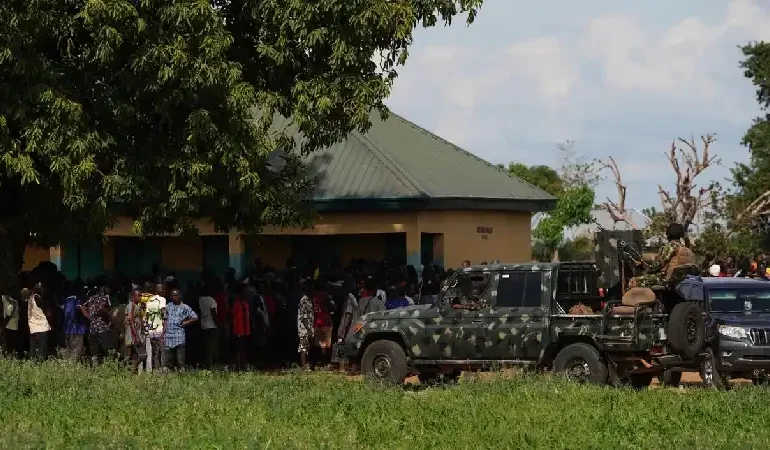

A new Church supported analysis has revealed that the long running violence in Nigeria’s Benue State has evolved far beyond traditional farmer and herder disputes into a more complex crisis marked by organized violence, banditry, and elements of terrorism. The findings challenge earlier narratives that framed the conflict as primarily resource based, pointing instead to a significant transformation in both the nature of attacks and the actors involved. This shift has intensified insecurity across the region, with communities facing increasing threats that go beyond localized tensions and reflect deeper structural and security concerns.
According to the analysis, the conflict has changed significantly over time, with a turning point marked by the escalation of violence and the use of more advanced weaponry. What were once localized disputes involving basic tools have developed into large scale attacks targeting entire communities, including women and children. Incidents of mass killings and destruction of homes have become more frequent, reflecting patterns commonly associated with organized violent groups. The targeting of places of worship and public spaces has further raised concerns about the possibility of broader motives, including attempts to destabilize communities and undermine social cohesion.
The report also highlights a shift in motivations, noting that financial gain through kidnapping and ransom payments has become a major driver of violence. Armed groups now operate with increased coordination and access to sophisticated weapons, suggesting the presence of wider support networks. This transformation has contributed to a cycle of fear and instability, where communities are no longer able to rely on traditional conflict resolution mechanisms that once helped manage disputes. The breakdown of these systems has left many areas vulnerable to continued attacks and prolonged insecurity.
The human impact of the crisis remains severe, particularly for displaced populations living in camps. Many individuals continue to experience deep psychological trauma, including anxiety, depression, and a sense of hopelessness about the future. The analysis warns of long term consequences, especially among younger generations who have grown up in displacement and may inherit unresolved tensions. This raises concerns about the potential for ongoing cycles of conflict, as trauma and mistrust become embedded within communities over time, making reconciliation more difficult.
Church supported peacebuilding efforts are now focusing on strengthening early warning systems, improving response times, and addressing the root causes of violence through education and community engagement. Initiatives aim to prevent radicalization and support rehabilitation, while also promoting dialogue between affected groups. The analysis calls for a more balanced approach that combines humanitarian aid with long term peacebuilding and development strategies. As attention to the crisis grows at national and international levels, there is increasing recognition that sustainable peace will require coordinated action, investment, and a renewed commitment to rebuilding trust within communities.