
Pope Leo XIV Advances Six Figures Toward Sainthood in Latest Vatican Decrees

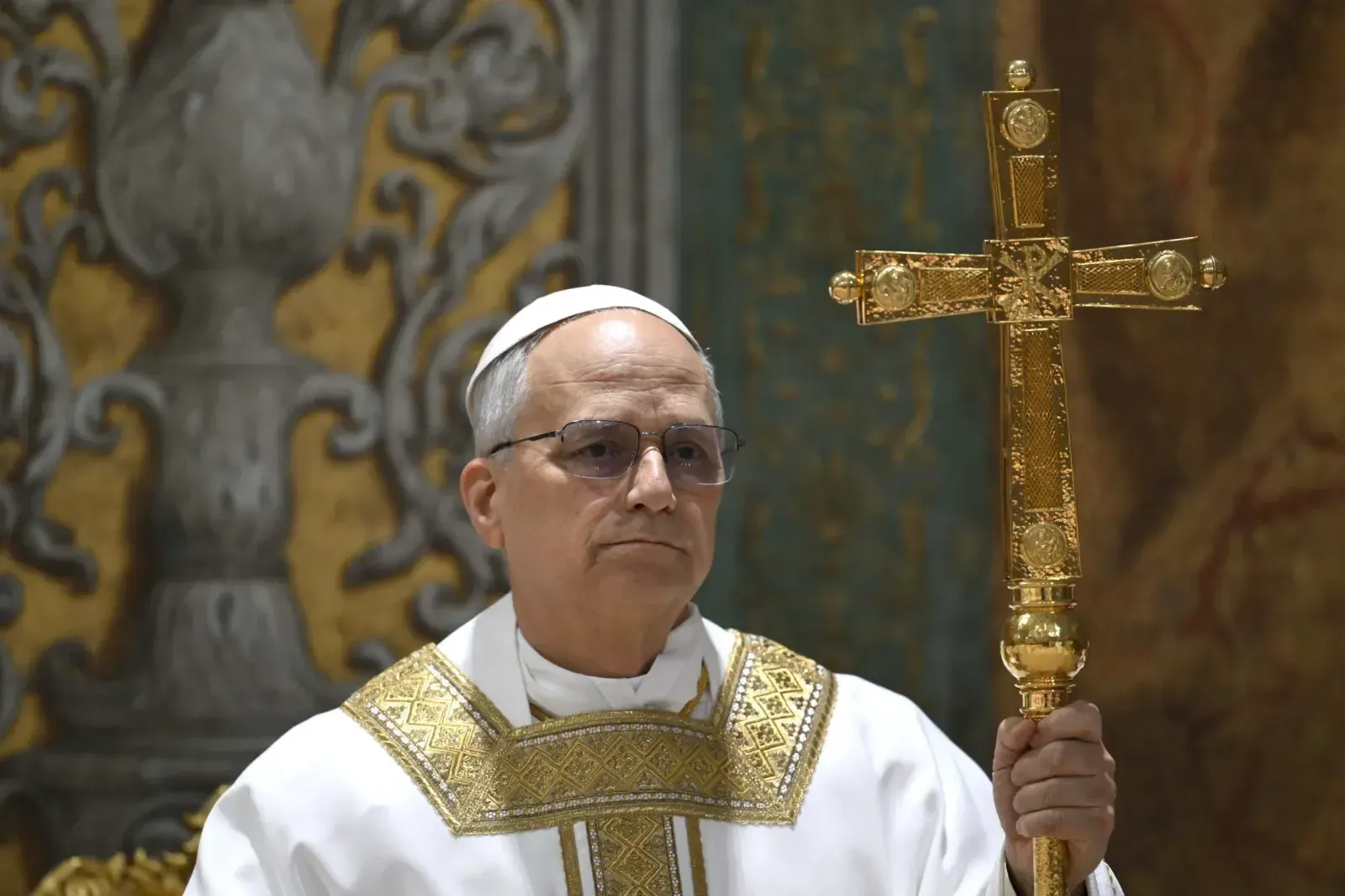
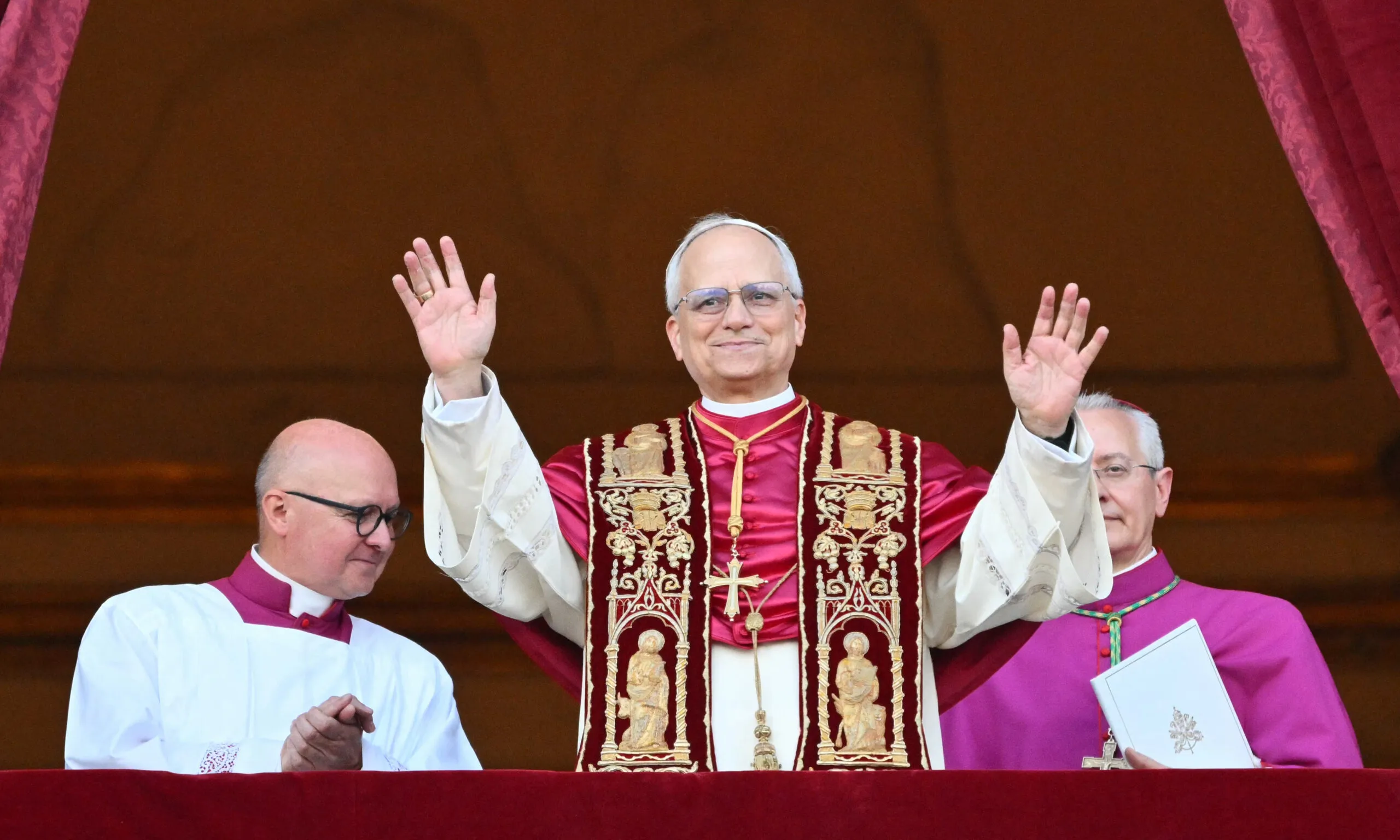
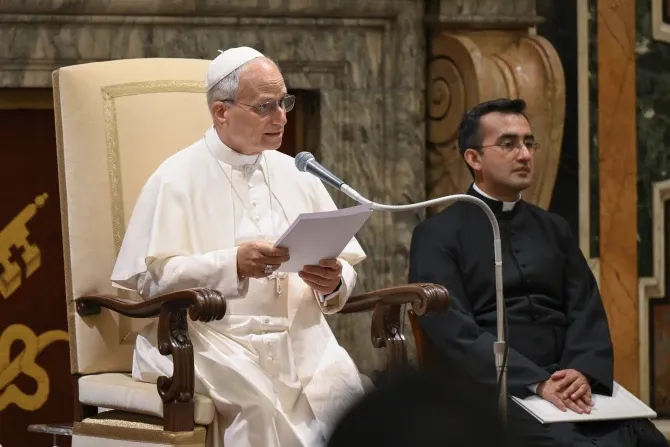
Pope Leo XIV has approved a new series of decrees advancing six individuals along the path toward sainthood, reflecting the Church’s continued recognition of lives marked by faith, service and sacrifice. The decisions were made during a meeting at the Vatican with Cardinal Marcello Semeraro, Prefect of the Dicastery for the Causes of Saints. The group includes clergy, religious and a lay father, representing different vocations and historical periods. The announcement highlights the Church’s ongoing process of identifying models of holiness whose lives are considered to offer enduring spiritual and moral guidance to the faithful.
Among those recognized is Ludovico Altieri, a 19th century Italian bishop and cardinal whose life was formally acknowledged under the category of offering of life, a path that recognizes individuals who freely accept death out of charity or fidelity to their mission. In addition, the Pope confirmed the heroic virtues of five others whose lives demonstrated consistent commitment to Christian values. These recognitions mark an important stage in the canonization process, granting each candidate the title of Venerable and opening the way for further evaluation of miracles attributed to their intercession.
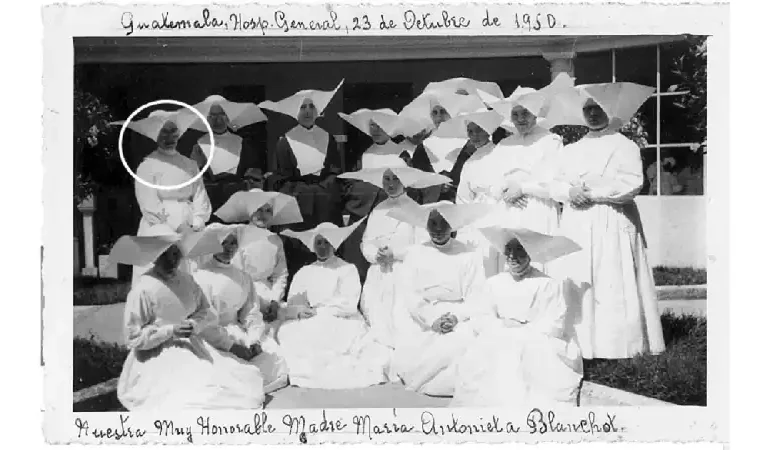
The group of newly recognized Venerables reflects a wide geographic and vocational diversity within the Church. Edward Joseph Flanagan, an Irish priest known for founding Boys Town, is remembered for his work with vulnerable children and his emphasis on dignity and rehabilitation. Henri Caffarel, a French priest, contributed significantly to the spiritual formation of married couples through the creation of movements focused on family life. Stanisława Samulowska, a Polish religious sister, and María Romero Algarín, a Spanish nun, both dedicated their lives to service within their respective congregations, while Giuseppe Castagnetti represents the role of lay holiness through his life as a father and member of the local community.
The recognition of these individuals illustrates the Church’s understanding of sanctity as accessible across different states of life, not limited to clergy or religious orders. The inclusion of a layperson among those advanced in the process underscores the emphasis on everyday witness within family and social life. Church officials often highlight that the path to sainthood is not defined by extraordinary acts alone but by consistent fidelity to faith, charity and responsibility. These decrees serve to present concrete examples of how Christian values can be lived out in diverse historical and cultural contexts.
The canonization process involves several stages, beginning with the recognition of heroic virtues or offering of life, followed by the verification of miracles before eventual beatification and canonization. By authorizing these decrees, Pope Leo XIV continues a longstanding tradition of examining the lives of candidates through both historical documentation and theological assessment. The advancement of these causes reflects the Church’s broader mission to identify figures whose lives can inspire contemporary believers while also reinforcing continuity with its spiritual heritage.