Private Sistine Chapel Concert Explores Biblical Angels Through Rare Musical Premiere
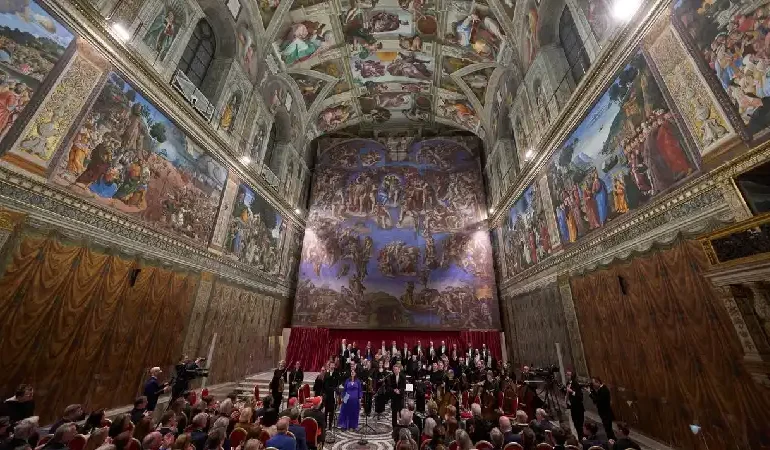

The Sistine Chapel hosted a rare private concert that brought together music, theology and sacred art in a setting seldom opened for such events. The performance, held on March 22, featured the debut of a new oratorio centered on angelic encounters drawn from the Bible. Attendance was limited to invited guests, with strict restrictions on photography and recording, underscoring the exclusivity of the occasion. The event offered a unique convergence of spiritual reflection and artistic expression within one of the most significant religious spaces in the world, highlighting the enduring relationship between faith and culture.
The composition, titled Angels Unawares, was written by composer James MacMillan using texts prepared by Robert Willis, a former Dean of Canterbury. The work consists of twelve sections, each reflecting a different biblical moment involving angels, from guidance and protection to moments of revelation and challenge. Performed by the British choir The Sixteen alongside the Britten Sinfonia under the direction of Harry Christopher, the piece sought to present angelic presence as both symbolic and deeply personal within the biblical narrative. The musical structure allowed for a layered interpretation of scripture through sound and voice.
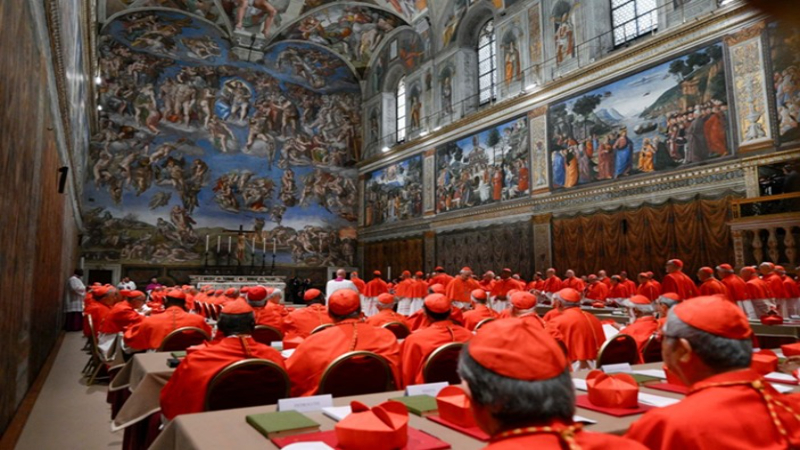
The setting of the Sistine Chapel added a profound visual and spiritual dimension to the performance, with Michelangelo’s frescoes surrounding the audience and reinforcing the theme of divine interaction with humanity. Guests described the experience as a powerful union of artistic forms, where music and visual art complemented each other in conveying theological meaning. The chapel’s depictions of biblical events, including scenes involving angels, created an immersive environment that deepened the audience’s engagement with the themes explored in the oratorio. The atmosphere emphasized contemplation rather than spectacle.
The event also drew attention to the broader significance of language and accessibility in religious expression. The use of English in the composition was noted as a way to reach a wider global audience, particularly as the performance is set to be broadcast beyond the Vatican. Church figures present at the event highlighted that themes such as the role of angels resonate across cultures and traditions, offering a point of connection for diverse audiences. The decision to present the work in a widely understood language reflects an ongoing effort to communicate spiritual ideas more broadly.
The concert was attended by a select group of guests, including public figures and members of the international community, reflecting its cultural and diplomatic dimension. While the Sistine Chapel is occasionally used for special performances, access for media and public audiences remains highly restricted, making this event particularly notable. The recording of the performance is expected to extend its reach beyond the chapel, allowing its themes to resonate with listeners globally. The occasion illustrates how sacred spaces continue to serve as platforms for dialogue between tradition, art and contemporary spiritual reflection.