
Allegations Against César Chávez Prompt Church to Reconsider Legacy and Public Honors
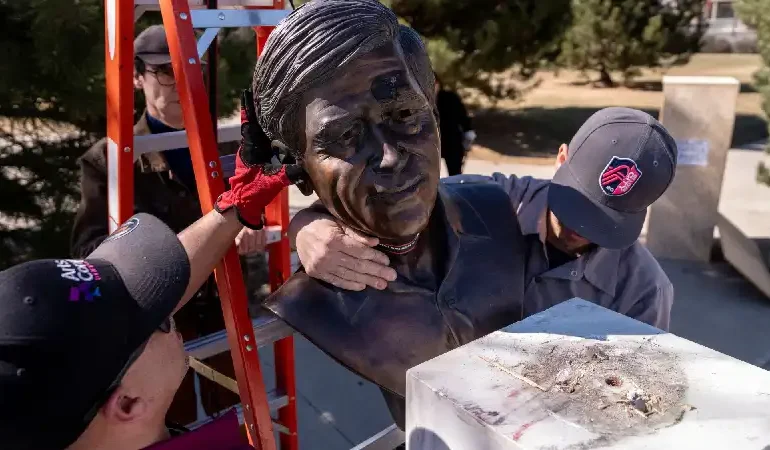

New allegations against civil rights figure César Chávez have led Catholic dioceses and institutions to cancel commemorative events and reassess his place within Church related initiatives. The accusations, which include claims of sexual abuse involving multiple victims, have triggered a broader reflection on how figures associated with Catholic social teaching are remembered. Several dioceses have already suspended annual Masses and removed references to Chávez from official platforms, signaling a cautious and ongoing review process. The developments have brought renewed attention to the Church’s responsibility in addressing abuse while maintaining integrity in how it honors historical figures.
The allegations emerged from a detailed investigation that compiled testimonies from individuals who say they were harmed, alongside supporting accounts and archival material. Among the most significant revelations were statements from longtime collaborators who described incidents of abuse dating back decades. These accounts have reshaped public understanding of Chávez, whose legacy had long been associated with advocacy for labor rights and human dignity. Church organizations have acknowledged the seriousness of the claims, emphasizing the importance of listening to survivors and ensuring that their voices are treated with respect and care.
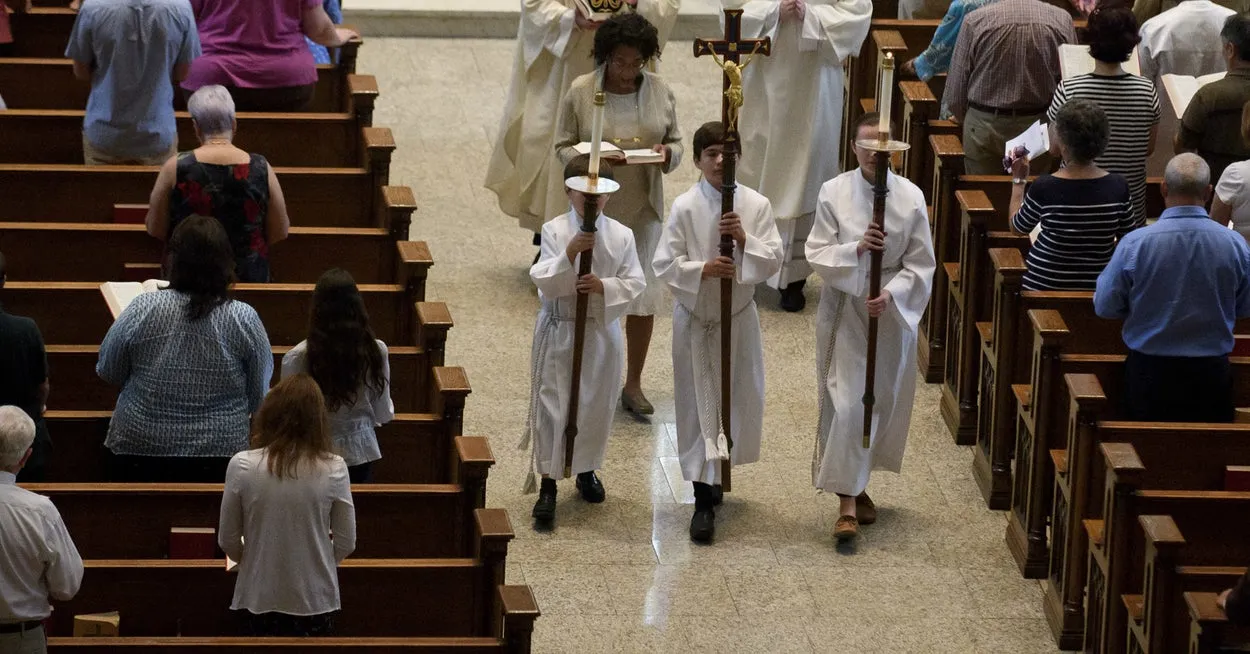
In response, Catholic institutions across the United States have begun making immediate adjustments to public observances linked to Chávez. An annual Mass traditionally held in his honor has been canceled, while other dioceses have renamed events to focus more broadly on farm workers rather than a single individual. Church representatives have stated that these decisions are part of a process of discernment, aimed at ensuring that commemorations remain aligned with the values of dignity and justice central to Catholic teaching. The shift reflects a desire to uphold these principles while responding responsibly to new information.
Church leaders have reiterated their commitment to supporting survivors of abuse and fostering a culture of accountability. Statements issued by Catholic organizations stress that the dignity of those affected must take priority over historical recognition. At the same time, officials have acknowledged the complexity of addressing a legacy that has played a significant role in both religious and social movements. The process of reevaluation involves balancing the contributions associated with Chávez’s work with the gravity of the allegations now brought forward.
The situation has also prompted a wider conversation about how institutions engage with historical figures whose personal conduct is called into question. For many within the Church, the focus has shifted toward reinforcing core teachings on justice, truth and human dignity rather than maintaining established narratives. As dioceses continue to review their programs and public references, the developments underscore the importance of transparency and moral consistency in shaping how the Church responds to both past and present challenges.