



Holy See calls for stronger global action against racism and warns of rising digital bias
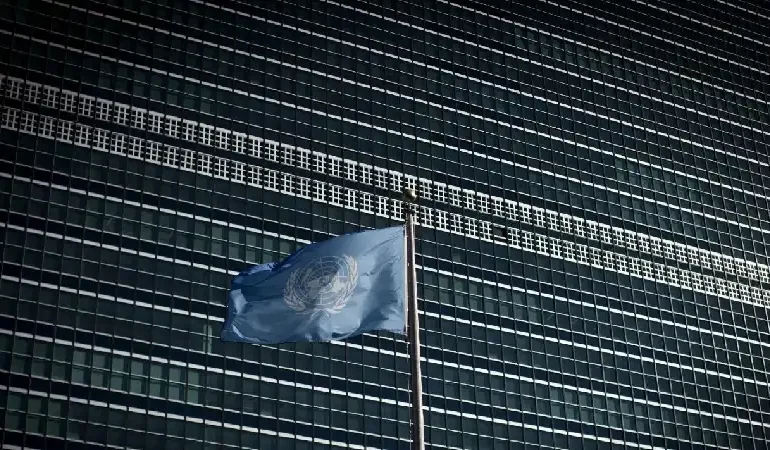

The Holy See has renewed its call for a global commitment to human dignity in the fight against racism, urging world leaders to confront both traditional discrimination and emerging forms shaped by technology. Speaking at a United Nations meeting marking the International Day for the Elimination of Racial Discrimination, the Vatican delegation emphasized that racism remains a serious moral and social failure. It described discrimination as a direct violation of human dignity and fundamental rights, warning that despite decades of awareness, the problem persists in new and complex ways that demand urgent attention and meaningful action.
The Vatican highlighted that racism is no longer limited to visible acts of exclusion but is increasingly embedded in subtle systems that often go unnoticed. It pointed to the digital environment as a growing area of concern, particularly with the rise of artificial intelligence. According to the statement, technological systems can reflect and amplify existing biases, shaping perceptions and reinforcing stereotypes. These developments pose a risk to fair representation and social justice, especially when individuals are judged or categorized based on flawed or incomplete data. The delegation stressed that such patterns must be recognized and addressed before they become deeply entrenched.
The Holy See also underscored the importance of education in responding to these challenges, calling for stronger efforts to improve digital literacy and critical awareness. It argued that understanding how algorithms function and influence human thinking is essential in preserving dignity and preventing discrimination. Beyond technical solutions, the Vatican emphasized that deeper cultural and ethical reflection is needed to ensure that technological progress serves humanity rather than undermines it. This approach reflects the Church’s broader concern that innovation must be guided by moral responsibility and respect for every person.
In its message, the delegation warned that political commitments alone are not enough to eliminate racism if they are not supported by genuine recognition of human equality. It emphasized that every individual possesses inherent dignity that cannot be defined by social status, background, or perceived usefulness. The statement echoed the teaching of Pope Leo XIV, who has repeatedly affirmed that all people are created with equal worth and called to live in relationships of respect and love. This perspective places moral responsibility at the center of efforts to build more just and inclusive societies.
The Holy See concluded by urging governments and institutions to translate these principles into concrete policies and actions that address the root causes of discrimination. It stressed that building a more inclusive world requires both structural change and personal commitment, grounded in the understanding that humanity is interconnected. As global societies continue to evolve, the Vatican’s message highlights the need for vigilance, ethical reflection, and unity in confronting racism in all its forms, including those emerging in the digital age.