




US deploys drones to Nigeria as security crisis deepens and military cooperation expands

The United States has deployed advanced surveillance drones to Nigeria, reinforcing a growing security partnership aimed at addressing escalating violence across the country. The move follows the recent arrival of around 200 US troops tasked with providing intelligence support and training to Nigerian forces. Officials say the deployment is focused on strengthening local capacity to respond to persistent threats, particularly in the country’s northern regions. As Nigeria faces one of the most complex security crises in Africa, the increased cooperation reflects broader international concern over instability and its impact on civilian populations.
The drones, known for their ability to operate at high altitudes and remain airborne for extended periods, are expected to enhance intelligence gathering and monitoring capabilities. Stationed at a military facility in northeastern Nigeria, they will support operations aimed at tracking militant activity and improving strategic planning. US officials have stated that the drones will not be used for direct combat operations but will instead focus on surveillance and training support. This approach highlights a shift toward assisting local forces rather than direct intervention, while still maintaining a significant operational presence.
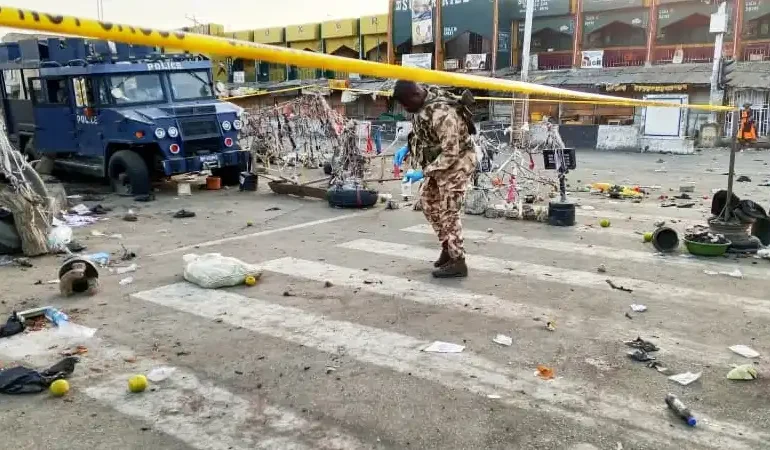
Nigeria continues to face multiple security challenges, with armed groups operating across different regions and employing tactics such as bombings, kidnappings, and raids. Militants linked to extremist ideologies remain active, alongside criminal networks that exploit instability for profit. The situation has worsened in recent years, with violence spreading and affecting more communities. Recent attacks have resulted in significant casualties, underscoring the urgency of coordinated responses. The involvement of external partners is seen as an effort to strengthen national defenses and prevent further escalation of the crisis.
The expanded cooperation comes amid broader geopolitical shifts in the region, including changes in military alliances and the withdrawal of foreign forces from neighboring countries. The United States has adjusted its strategy following the closure of previous operational bases, seeking alternative ways to maintain its presence and support regional stability. This includes building new partnerships and enhancing intelligence sharing with key allies. The deployment in Nigeria is part of this evolving approach, reflecting both strategic interests and humanitarian concerns tied to ongoing violence.
As the situation develops, the focus remains on improving security conditions while minimizing harm to civilians. The partnership between US and Nigerian forces is expected to play a critical role in addressing immediate threats and strengthening long term resilience. At the same time, observers continue to stress that military measures alone may not resolve the crisis, pointing to the need for broader efforts that address underlying social and economic factors. The deployment marks a significant step in international engagement, with its impact likely to shape future responses to security challenges in the region.