
Fulton Sheen’s Legacy
The Fulton Sheen beatification announcement lands like a decisive late-game moment: it confirms that the Church is ready to place his public witness under the spotlight of liturgical honor. Sheen’s legacy is not a vague nostalgia act; it is measurable in his ability to bring Catholic teaching into mainstream media without sanding off its edges. His preaching style treated doctrine like match analysis, reading the field, naming the pressure points, and delivering a clear finish. That clarity still travels across generations that never saw him on television. The move from Venerable to Blessed also frames his work as more than successful communication; it puts his life forward as a model of holiness with public consequences, the kind that can endure scrutiny beyond sentiment.
Details of the Beatification Ceremony
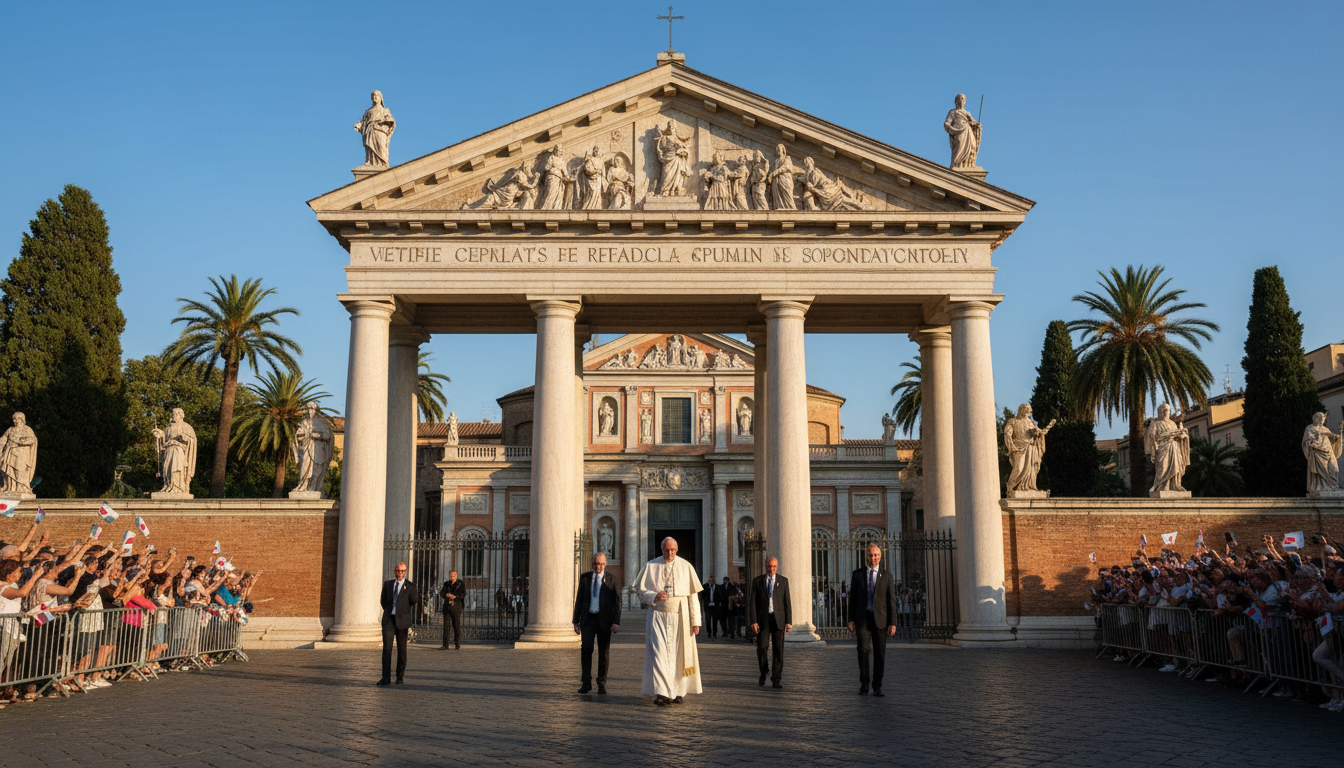
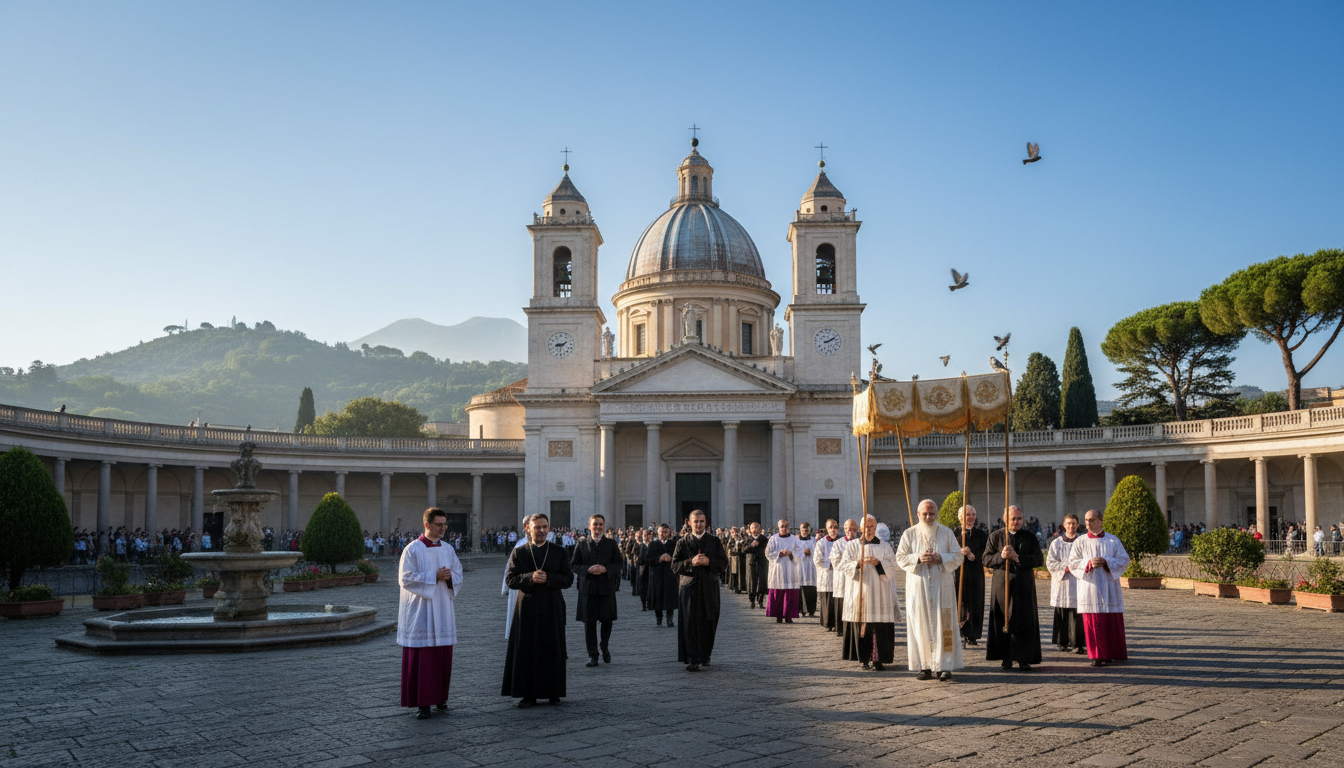
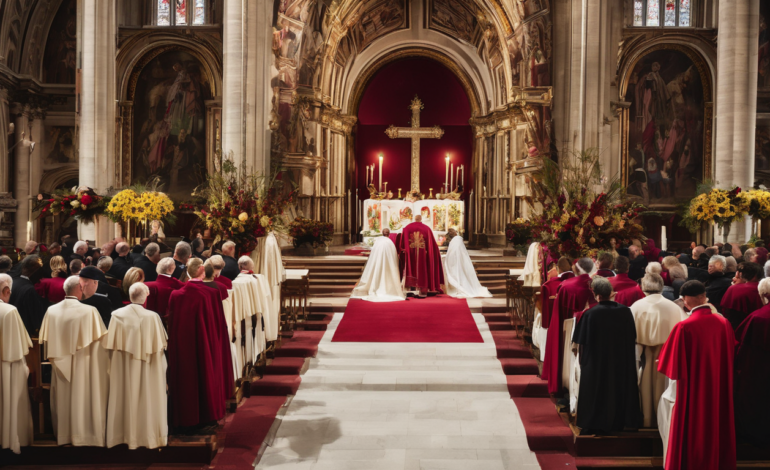
The beatification Mass is scheduled for 24 September in St. Louis, a choice that ties the celebration to a concrete American setting rather than an abstract headline. The liturgy will publicly recognize a miracle attributed to Sheen’s intercession, the procedural hinge that unlocks beatification in the canonization process. Vatican reporting has emphasized the date and location, underscoring that this is not a private devotion but a Churchwide event with a clear timetable and ecclesial backing. Official coverage at Vatican News’ report on the St. Louis beatification has laid out the basic framework, while additional context has been tracked by outlets such as Catholic News Agency’s ongoing coverage. In Church terms, this is a fixture placed on the calendar, not a rumor mill cycle.
Significance for the Catholic Church
For the Catholic Church, beatifications are not mere applause lines; they are selections of what gets held up for imitation, and the timing matters. Elevating Sheen now highlights a model of evangelization that is comfortable in the public square yet disciplined in content, a combination many dioceses are trying to recover amid fragmented attention and competing narratives. It also broadens the modern roster of Catholic saints in formation, offering an American figure with a media footprint that still shapes how Catholics think about preaching, catechesis, and cultural engagement. The St. Louis stage will inevitably draw pilgrims, clergy, and communicators who see the Church’s credibility contested daily and want a playbook grounded in prayer rather than branding. Related Vatican-facing reporting on communication priorities, including Vatican News Adds Indonesian as 57th Language, shows how the Church keeps expanding channels even as it tries to safeguard the message.
Role of Cardinal Luis Antonio Tagle
Cardinal Tagle’s presence signals that Rome intends this celebration to read as global, not provincial. As a senior figure associated with evangelization and pastoral outreach, he brings a profile that resonates far beyond the U.S. map, and his participation places Sheen’s story inside the wider rhythm of the Church’s mission. In practical terms, a beatification presider does more than lead prayers; he embodies institutional continuity, making it clear that the cause has passed through the Church’s demanding filters. In narrative terms, Tagle’s role connects Sheen’s media-era approach to today’s digital mission field, where speed and volume can drown out substance. That connection is visible in how the Church discusses contemporary formation and witness in other contexts, including Vietnam youth congress calls young Catholics to embrace mission and deepen faith, a reminder that momentum depends on disciplined formation, not slogans.
What Beatification Means
Beatification is the Church’s formal judgment that a person lived the Christian virtues to a heroic degree and is in heaven, permitting public veneration in specified places and communities. It is not the same as canonization; it is a major step that typically precedes sainthood but still carries strict boundaries and clear theological weight. The decree validates a miracle as a sign of intercession, and it offers the faithful an authorized devotion that is both spiritual and communal, expressed in liturgy rather than private preference. In the Sheen case, the practical outcome will be increased pastoral attention, more organized pilgrimages, and renewed interest in his writings and broadcasts as formation tools. The Church’s broader insistence on accountability and discernment, seen in unrelated debates about integrity and public trust, forms the backdrop for why beatification is careful rather than casual.