
Pentagon prayer by Pete Hegseth sparks debate over faith, military power and religious boundaries
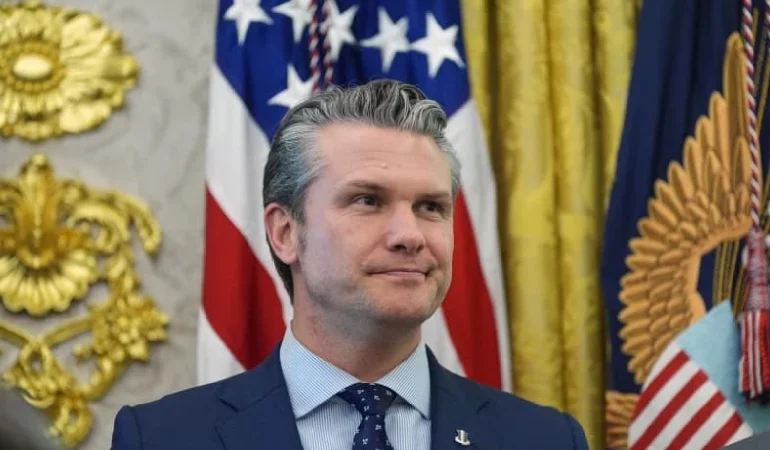

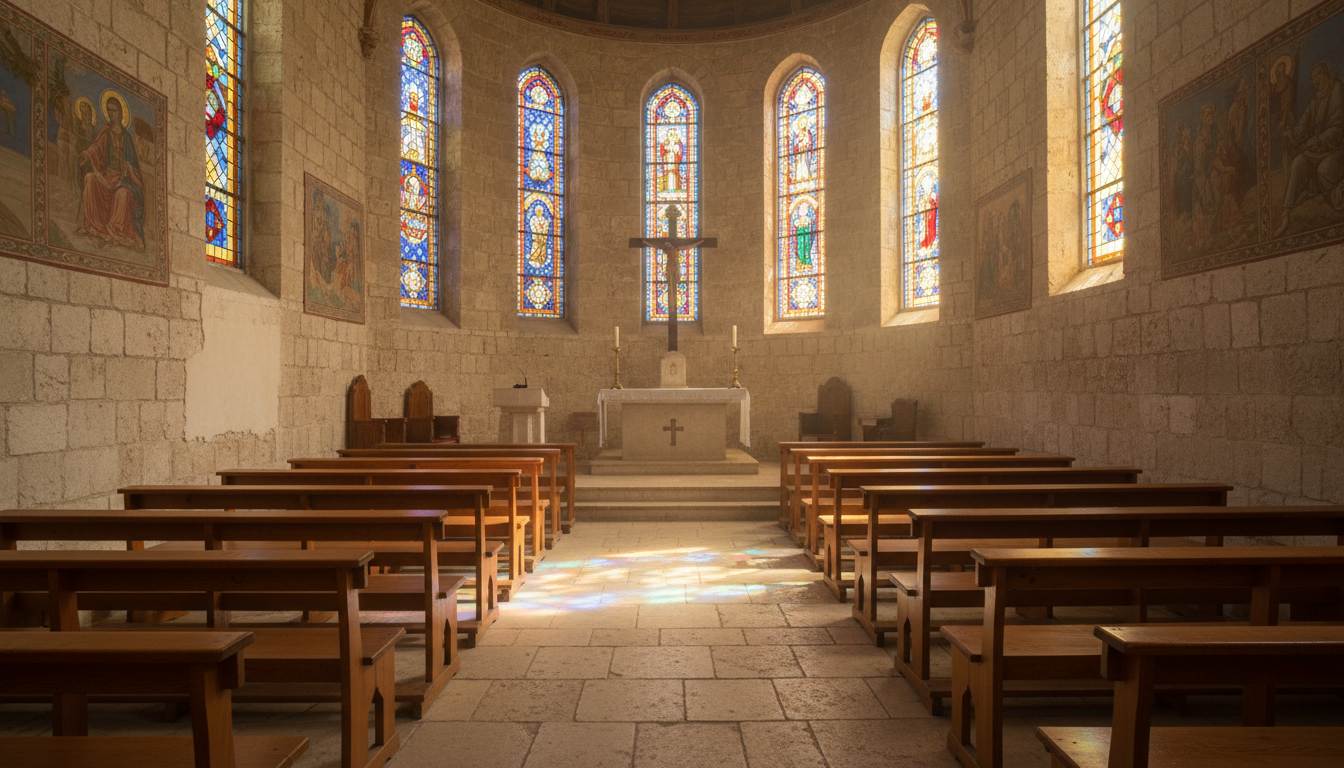
U.S. Defense Secretary Pete Hegseth has drawn intense scrutiny after delivering a prayer during a Christian worship service at the Pentagon that called for force “against those who deserve no mercy.” The remarks, made during a livestreamed gathering attended by military personnel and civilian staff, come at a time of escalating global tensions and ongoing conflict involving Iran. The language used in the prayer, which asked for military success in direct and forceful terms, has triggered debate about the intersection of faith, governance and the role of religion in state institutions.
During the service, Hegseth invoked religious language that framed military actions within a moral and spiritual context, including references to scripture and appeals for strength, unity and decisive action in combat. He described the moment as significant given the scale of ongoing operations involving U.S. forces. While religious expression has long been part of American public life, critics argue that the explicit and targeted nature of the prayer raises concerns about the tone and implications of such messaging when delivered by a senior government official responsible for national defense policy.
The remarks have also intensified broader discussions about religious identity within the military. Scholars and observers, including historian Ronit Stahl, have noted that while general references to faith are common, the use of explicitly Christian language in official settings may challenge the principle of religious neutrality. The United States Constitution prohibits the establishment of religion, and critics warn that highly specific expressions of faith from leadership figures could create perceptions of exclusion within a diverse military force that includes multiple religious traditions as well as nonreligious members.
Legal concerns have emerged alongside the public debate. The advocacy group Americans United for Separation of Church and State has filed a lawsuit seeking access to internal Pentagon records related to the worship services, including their organization, funding and participation. The group alleges that such events, even if voluntary, may place indirect pressure on employees to attend. These developments highlight ongoing tensions between religious freedom and institutional boundaries, particularly within government environments funded by taxpayers.
Hegseth has defended his approach as part of a broader effort to strengthen spiritual life within the armed forces, including proposed reforms to the military chaplaincy system. His initiatives include emphasizing faith based guidance and restructuring how chaplains are identified within the ranks. Supporters point to historical precedents of religious expression among U.S. leaders, while critics argue that the current approach risks narrowing the space for pluralism. As the debate continues, the issue reflects deeper questions about the role of religion in public leadership and its influence on policy and national identity.