
Pope Leo XIV’s Role in the Way of the Cross
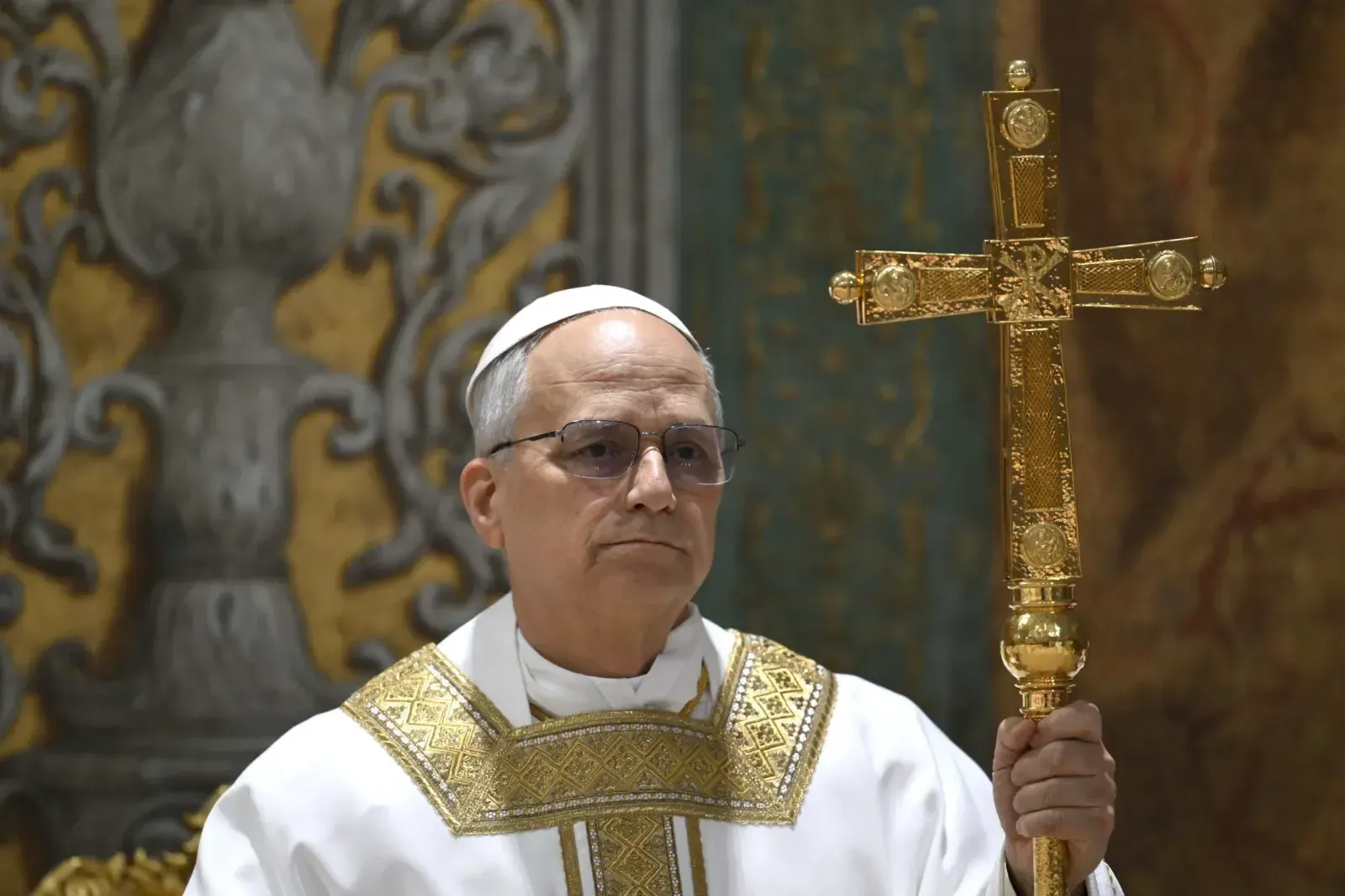
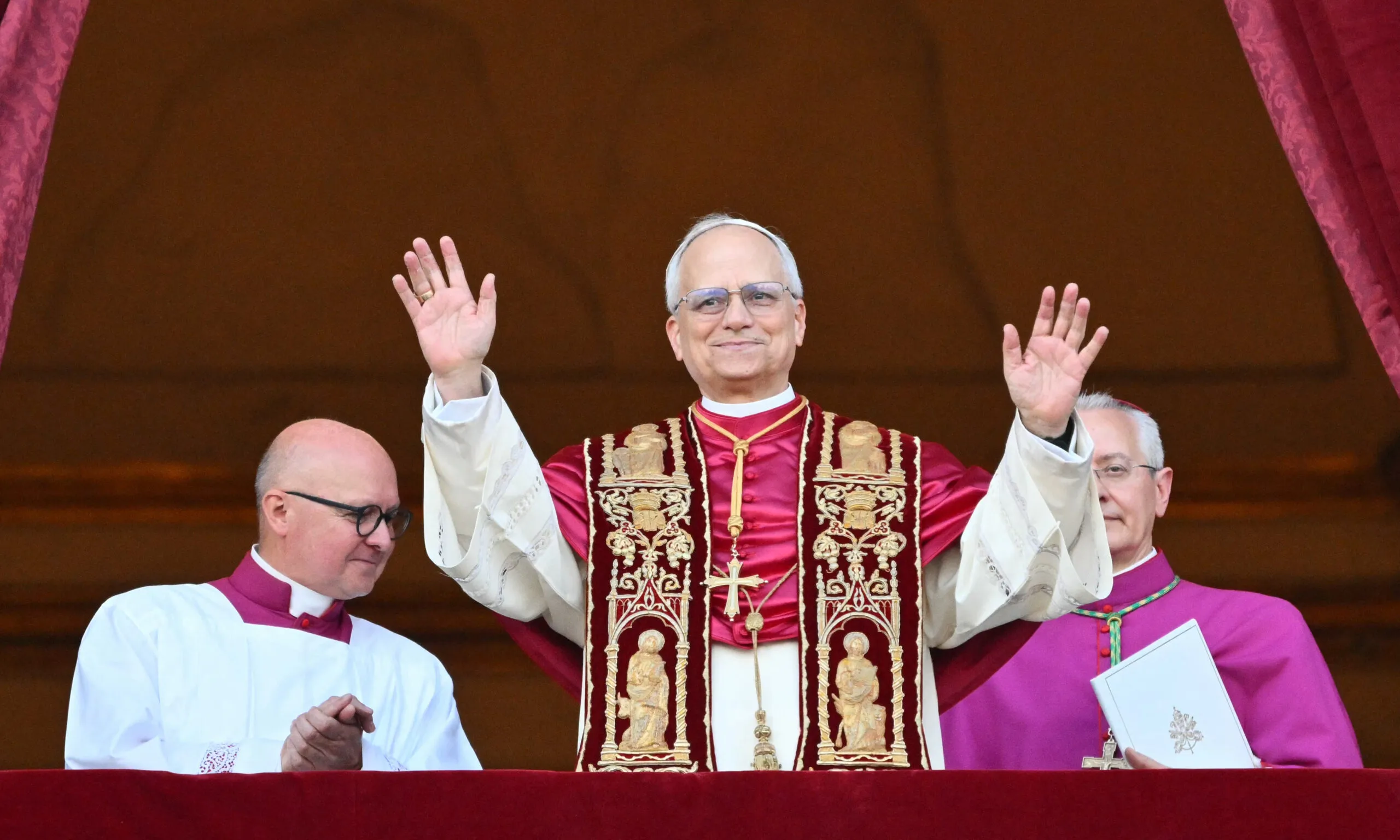
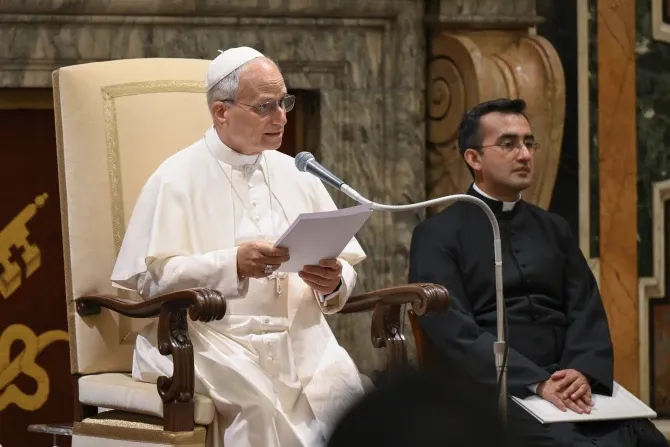
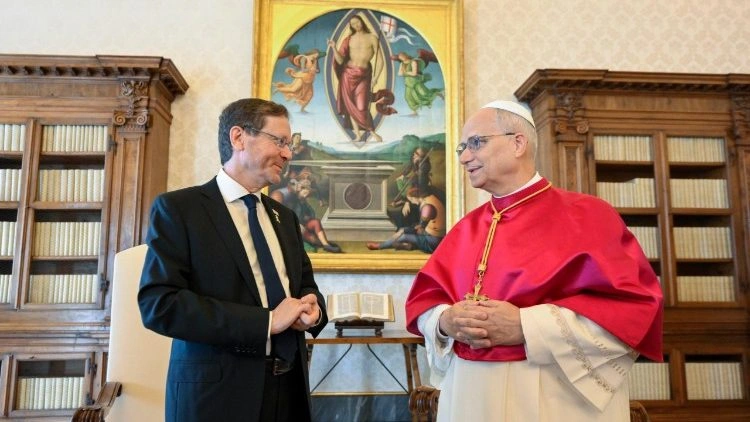
Pope Leo XIV took the lead at the Via Crucis beside the Colosseum, carrying the Cross for a portion of the route and setting the cadence for a tightly run Good Friday observance. Today the procession unfolded with disciplined pacing, measured pauses, and brief moments of silence that drew the crowd into the text of the stations rather than spectacle. Security and logistics were visible but unobtrusive, allowing the focus to remain on prayer and witness. The Pope’s actions were direct and unadorned, he shouldered the weight, he walked, and he stopped where the station required, letting the liturgy do the talking. A Live broadcast tracked each station closely, matching the rhythm of the prayers.
Significance of the Colosseum for Good Friday
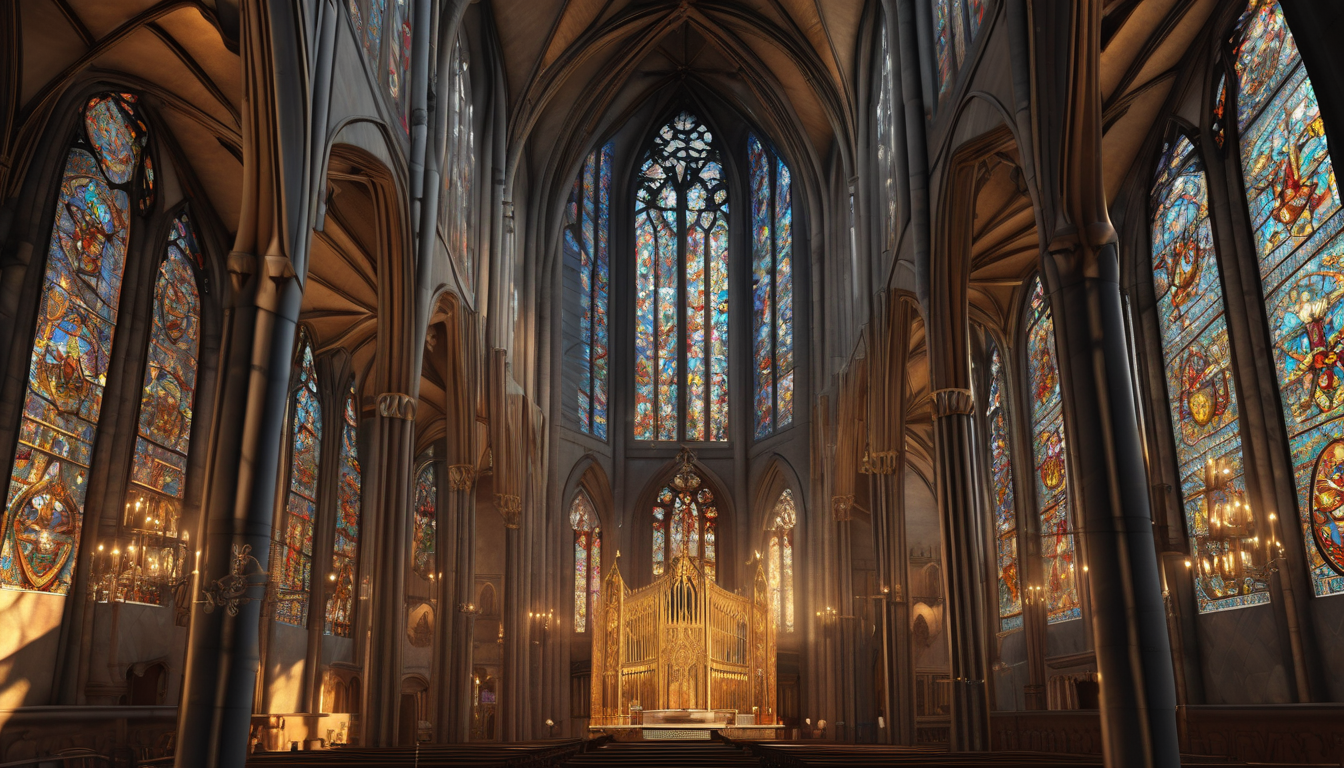
The Colosseum’s setting shaped the entire Good Friday frame, not as scenery but as a hard reminder of endurance under pressure and the Church’s long memory of suffering. The route’s lighting and sound were calibrated to keep the crowd attentive and to prevent the scale of the amphitheater from overwhelming the rite. For a parallel on crowd management in high stakes public events, the way stewards held lanes and kept movement steady echoed the kind of reshuffling described in this report on Chelsea’s reshuffling, with officials adapting in real time to keep flow and order. Update briefings to journalists emphasized access limits, while catechetical cues in the prayers linked the ancient stones to present day wounds.
Historical Context of the Via Crucis
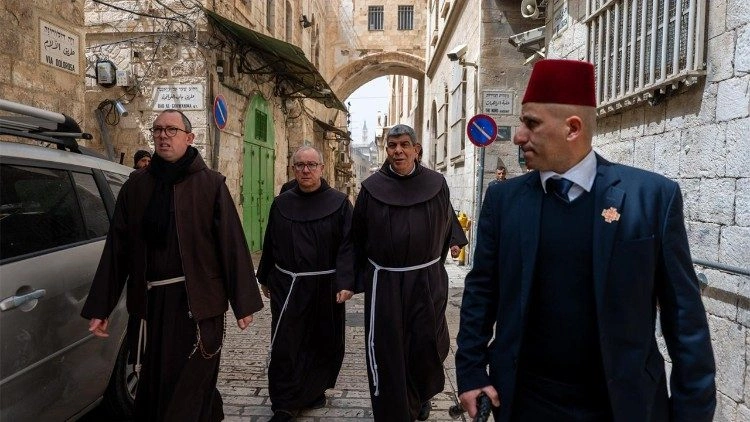
The Via Crucis at the Colosseum sits inside a long tradition of public devotion, yet this year’s delivery leaned on clarity rather than pageantry, keeping each station crisp and the readings tightly aligned with the central theme of redemptive suffering. Pope Leo XIV did not linger on extended commentary, allowing the scriptural passages and intercessions to do their work. In the wider Catholic landscape, similar contemplative processions continue to draw pilgrims, including those described in coverage of the Way of the Cross in the Holy Land, where the stations are experienced in proximity to their geographic memory. Today’s Roman route, however, stressed universality, presenting the Cross as a sign spoken in every city, not only in one land.
Reflections from the Faithful Attendees
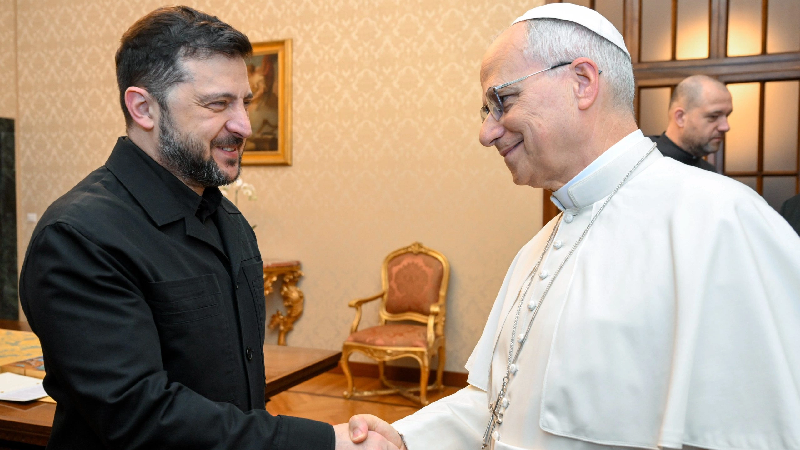
Attendees interviewed along the barriers described an atmosphere that felt both intimate and organized, with prayer cards, quiet singing, and long stretches of silence that made individual reflection possible even in a dense crowd. Many spoke of coming to Good Friday with personal burdens and leaving with a sense of steadiness, not because problems disappeared but because the rite gave them language for them. Some pilgrims referenced current conflicts while praying, linking their petitions to recent papal appeals for peace echoed in reporting on the Pope’s call for an end to war. A Live feed continued to pan across faces during the stations, capturing tears, folded hands, and a discipline of attention that rarely shows up in large public gatherings. Update notes from Vatican staff highlighted strong turnout without major incidents.
Messages of Hope and Renewal
The message that emerged was not sentimental, it was concrete, urging believers to hold the Cross close to the realities that fracture communities, including violence, displacement, and loneliness. Pope Leo XIV’s emphasis rested on endurance and repair, portraying Christian hope as a commitment to rebuild rather than an escape from struggle. Today the prayers pressed for renewed responsibility in public life and in private relationships, with petitions that sounded like a sober editorial line rather than a rallying chant. For the factual account of the ceremony and its key moments, Vatican coverage detailed the structure of the stations and the Pope’s participation in Vatican News reporting on the Way of the Cross at the Colosseum. A final Live cutaway showed the crowd dispersing quietly, while a closing Update from correspondents framed the night as a call to renewal rooted in disciplined faith.