


Pope’s Direct Appeal for Peace
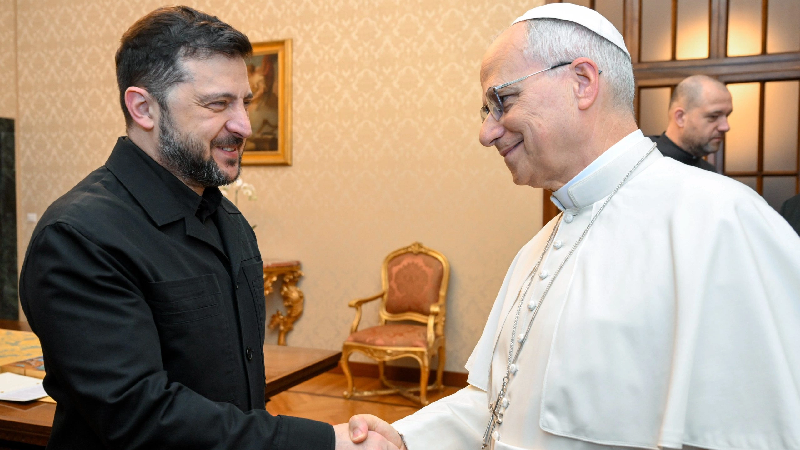
Pope Leo XIV used a direct, tightly framed message to President Volodymyr Zelensky, urging an end to fighting and calling for a peace that is both just and lasting, language that aligns with Pope peace initiatives aimed at pairing humanitarian concern with political realism. The Papal communication emphasized cessation of hostilities as the immediate benchmark, while keeping accountability and dignity central to any settlement. Today the Vatican’s tone was notably specific on outcomes, not slogans, reinforcing that a ceasefire alone is insufficient if it freezes insecurity in place. Live reporting around the call highlighted the Pope’s pastoral priority for civilians and prisoners, and an Update circulated among correspondents described the exchange as focused on practical steps that can reduce suffering now.
Context of the Ukraine Conflict
Ukraine’s leadership has treated high level contacts as part of a wider effort to keep attention on the war’s human cost while seeking partners who can speak to multiple audiences at once. In this context, Vatican diplomacy offers a channel that is not military, but still influential in moral and humanitarian terms, which is why Kyiv continues to invest in it. Today the conflict’s tempo remains uneven across regions, and Live conditions on the ground keep shifting, making outside mediation difficult to time. An Update in diplomatic circles noted that messages from Rome are often calibrated to avoid inflaming positions while still naming the need for sovereignty and protection of civilians. Even amid unrelated headlines, readers can see how international focus swings, for example in this separate coverage: player welfare concerns in football, a reminder that public attention competes across crises.
Diplomatic Efforts by the Vatican
Rome’s approach has leaned on concrete humanitarian files as a way to maintain dialogue when political negotiations stall. Officials familiar with the Holy See’s practice describe a preference for achievable, verifiable outcomes, including support for families, assistance corridors, and the return of those separated by the war, rather than grand conferences that collapse under maximalist demands. That pattern has appeared in related Vatican engagements, including the emphasis on keeping channels open, as detailed in the Pope’s call to reopen dialogue channels. In parallel, a report from Vatican News on the telephone call underlined the Pope’s insistence on a settlement that endures, framing the Holy See’s role as persistent accompaniment rather than a one off intervention.
Responses from the Ukrainian Government
Kyiv’s public readout of the conversation stressed gratitude for sustained attention and the value of a moral voice that can address both believers and nonbelievers. Ukrainian officials have repeatedly signaled that Papal communication matters most when it helps keep humanitarian issues visible, especially the fate of children, detainees, and displaced families, and when it strengthens international resolve to uphold basic norms. The government’s approach also seeks to ensure that religious language about peace does not slide into moral equivalence between aggressor and victim, a tension diplomats manage carefully in every communiqué. Related reporting on Vaticanthreads has tracked similar themes in the Pope’s appeal for an end to war, showing how Kyiv treats each Vatican contact as part of a continuous record, not a symbolic photo moment.
Historical Role of Papal Diplomacy
The Holy See’s diplomatic tradition draws authority from continuity, patient listening, and the capacity to convene across ideological lines, even when official negotiations are frozen. Historically, that role has been strongest when it pairs moral clarity with quiet logistics, ensuring aid reaches communities while protecting the credibility of mediation. Observers often compare the Vatican’s public appeals with its less visible engagements, where neutral language can open doors that state actors cannot. The way this diplomacy is communicated also shapes reception, particularly when media ecosystems polarize every statement. For broader context, international outlets such as BBC global reporting on the war have shown how messages from religious leaders land differently across audiences, depending on whether they are read as pastoral counsel, political pressure, or a humanitarian prompt to act quickly.