


Pope Leo XIV’s Call to Action
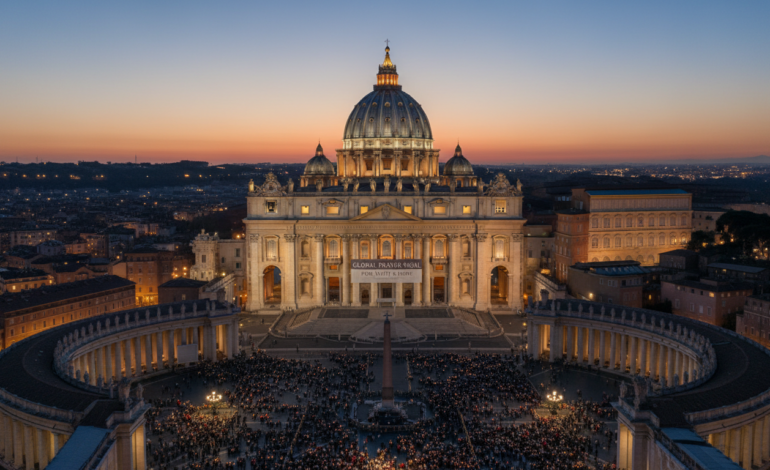
Pope Leo XIV welcomed the reported Middle East ceasefire and framed it as a moment that demands disciplined attention rather than celebration. Speaking in a tone that matched the gravity of events, he urged Catholics and all people of good will to join a prayer vigil for an end to violence and for protection of civilians. Today, his appeal was treated in Rome as a practical instruction for parishes, religious houses, and families to intensify intercession while diplomatic channels remain open. The Vatican’s language was measured, emphasizing humanitarian access, the return of security for communities, and the need for leaders to keep commitments. Live reporting from the region continues to shape the urgency of his request, because conditions can shift quickly even after an announced pause.
Significance of the Middle East Ceasefire
The Middle East ceasefire matters in Catholic coverage because it can create narrow windows for medical evacuation, food deliveries, and a reduction in fear that distorts daily life. In the same breath as his call for prayer, the Pope stressed the moral duty to safeguard noncombatants and to preserve holy places and local Christian communities that have carried an ancient presence. An midweek headline about how quickly a table can change offers an unexpected reminder for readers used to sport, momentum can reverse in a single day, and fragile agreements require constant reinforcement. Update language from humanitarian agencies has been cautious, noting that verification and implementation are as important as the announcement itself. The Pope’s emphasis placed responsibility on all sides to prevent retaliation and to keep corridors open.
The Role of Global Prayer in Peace Efforts
The prayer vigil is being presented not as a substitute for diplomacy, but as a parallel moral force that shapes public conscience and keeps attention fixed on human dignity. The Vatican view is that sustained prayer can lower the temperature of political debate inside communities far from the conflict, discouraging the kind of rhetoric that hardens positions and inflames prejudice. Live coverage has also shown how quickly social media narratives can turn suffering into slogans, and the Pope’s approach counters that by directing believers toward penitence, solidarity, and practical charity. For those following developments Today, the call is to avoid fatigue and to resist treating the conflict like a passing headline. In Vatican communications, prayer is paired with concrete concern for hostages, detainees, displaced families, and the wounded.
Past Successes of Prayer Vigils
Church officials often point to earlier moments when coordinated prayer vigils helped keep peace proposals on the agenda and supported local churches under pressure, especially when media attention drifted. The point is not to claim a simple cause and effect, but to recognize that sustained religious mobilization can steady humanitarian commitments and strengthen the networks that deliver aid. The Vatican’s own history of public prayer initiatives has typically been accompanied by diplomatic engagement and by messages to bishops to maintain unity in public witness. Update briefings referenced in Catholic circles have highlighted how community level calm can follow when parish leaders urge restraint and offer shared liturgies for peace rather than partisan rallies. Readers can also consult Pope Leo XIV calls Christians to witness in war for related guidance on public discipleship under conflict conditions.
How to Participate in the Vigil
Participation is being shaped as an act that can be carried out locally while remaining connected to the universal Church, with dioceses expected to set times for adoration, rosary, scripture, and silent prayer. The Pope’s aides have encouraged pastors to make the vigil accessible, including clear intentions for victims, negotiators, and those providing medical care, while also urging offerings for relief work through trusted channels. For Catholics watching the situation Today, a practical accompaniment is to follow credible reporting and to reject rumors that can provoke hatred. Official details can be read via Vatican News coverage of Pope Leo XIV’s appeal for a ceasefire. Local context also matters, and readers tracking schools and church life in the Holy Land can see Jerusalem Christian schools strained by permit denials for on the ground pressures. Live participation, whether in a cathedral or at home, is being described as a disciplined commitment that refuses despair while demanding accountability.