

Pope’s Powerful Easter Vigil Message
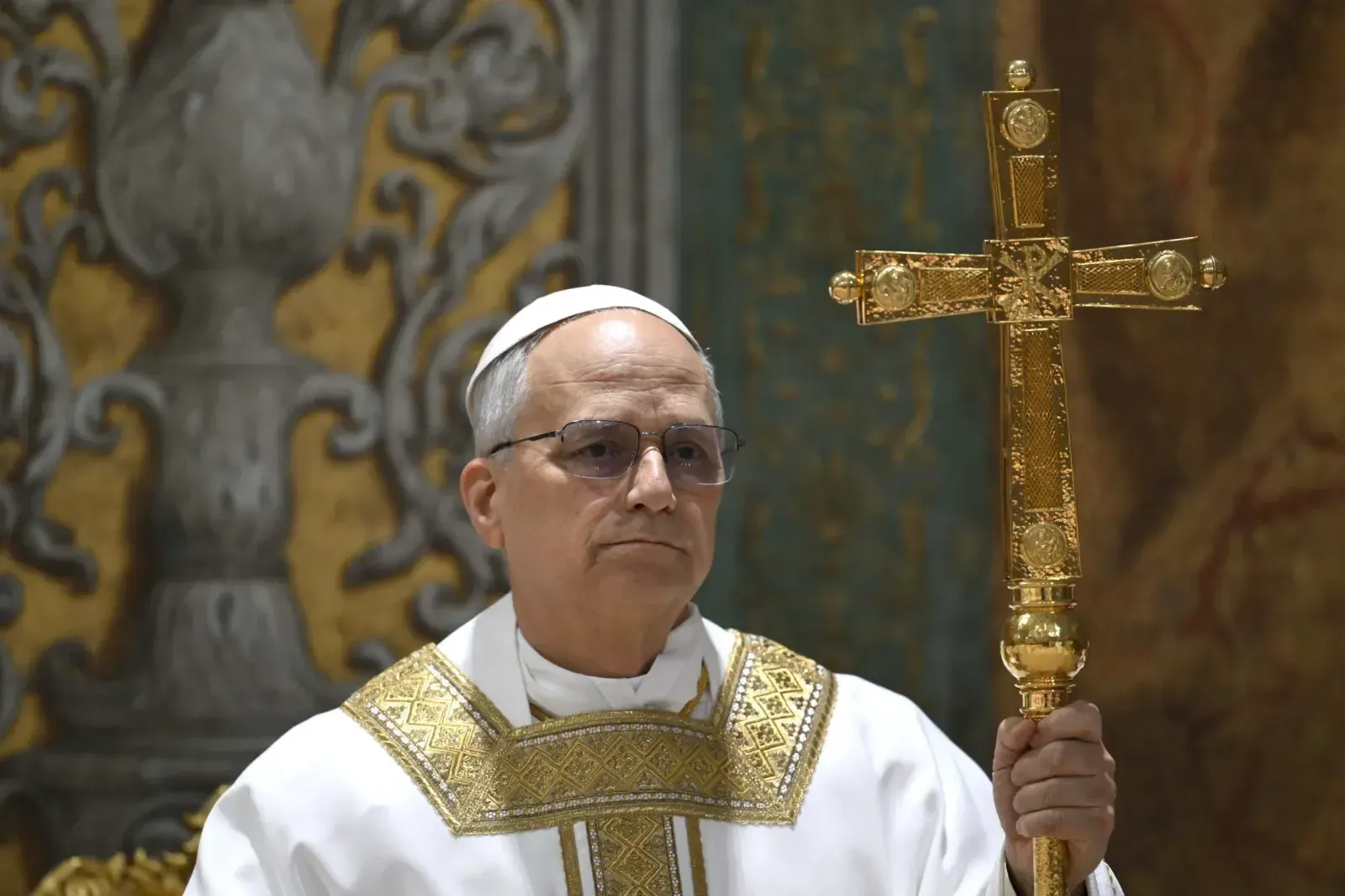
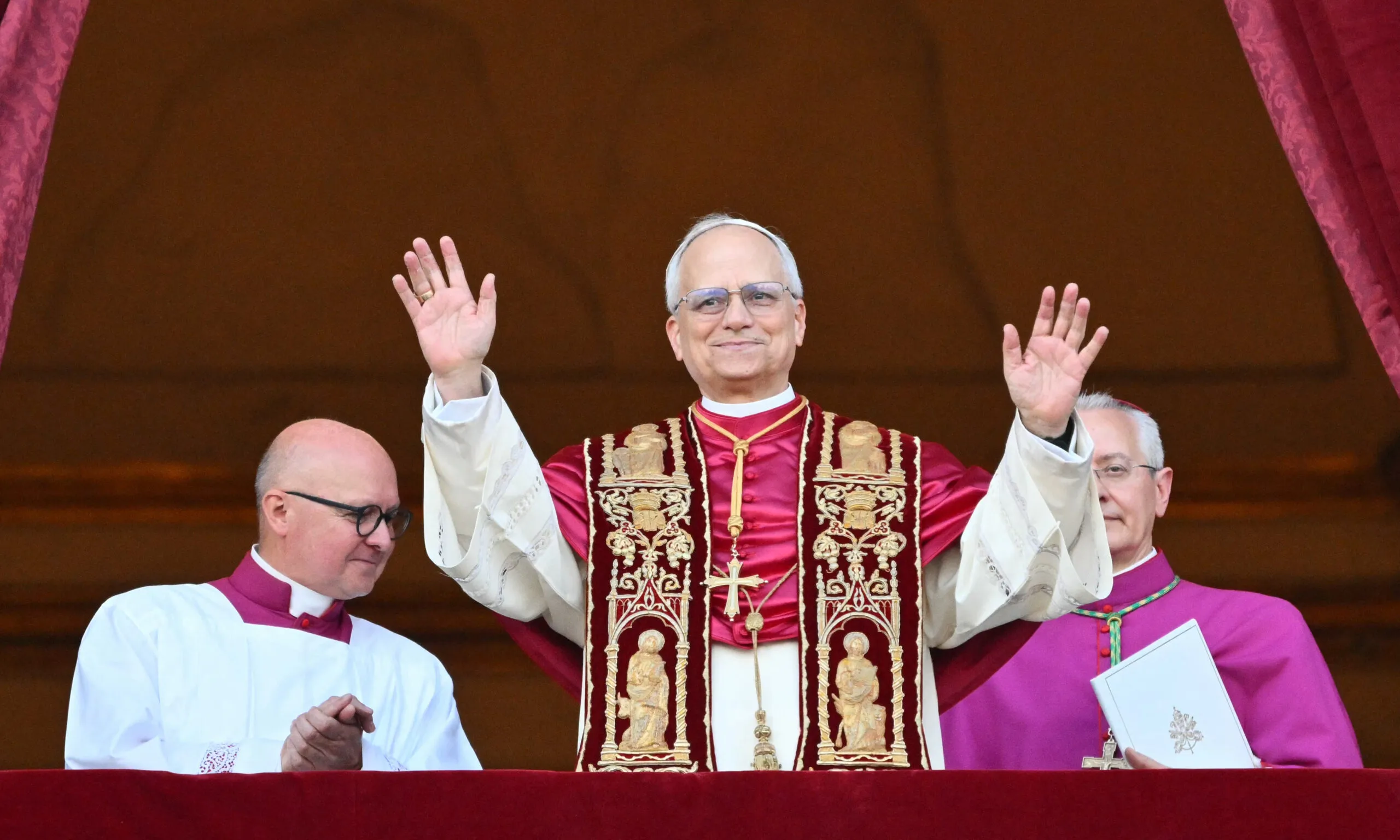
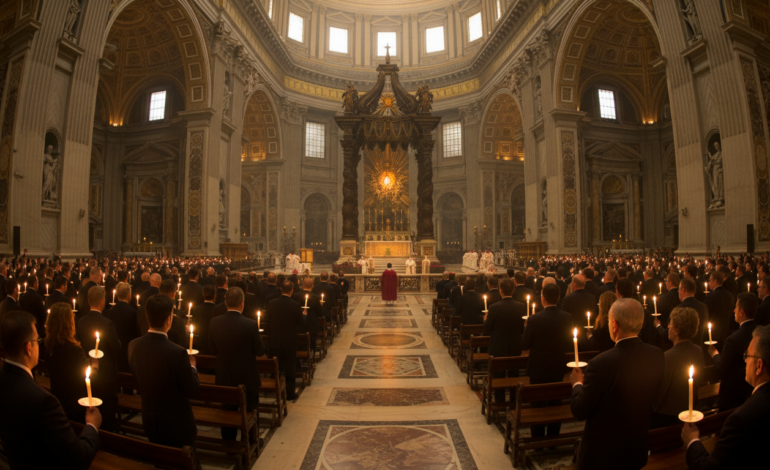
Pope Leo’s words at the Pope Leo Easter Vigil landed with the force of a headline, Easter drives out hatred and brings down the mighty, while lifting those pushed to the margins. He framed the Resurrection as a real reversal of power, not rhetoric, and insisted that a Christian conscience cannot make peace with contempt, humiliation, or the casual use of violence in public life. Today, his message read like a clear warning against the habits that normalize division, from cynical politics to the subtle cruelty of online culture. He spoke as a pastor who expects accountability, pressing believers to measure their choices against a love that refuses to trade truth for advantage.
Love as a Response to Division and Sin
In the Easter message, the Pope turned from slogans to behavior, urging a disciplined love and unity that confronts sin without turning people into enemies. He called hatred a spiritual dead end that corrodes families, workplaces, and nations, and he described God’s mercy as both gift and demand, because it makes excuses harder to keep. Live coverage and fast takes often reward outrage, yet he argued that the Christian response is steadier, listening, serving, and repairing what has been broken. He pointed to the Church’s duty to stay close to the wounded and the forgotten, a stance echoed in reporting from Vatican News coverage of the Easter Vigil homily, which highlighted his insistence that the Resurrection reshapes moral priorities.
Unity in Faith During Easter Celebrations
At the Vatican Easter Mass setting, he presented unity as a visible practice rather than an abstract ideal, asking communities to hold together across language, class, and political identity. This was not a call to blur convictions, but to refuse the reflex of suspicion that turns differences into permanent rifts. In an Update on the Church’s wider witness, the same logic appears in his repeated insistence that Christians should stand beside civilians caught in conflict, as reflected in his appeal for Christian witness amid war. He linked liturgy to responsibility, arguing that worship without reconciliation becomes performance, and that faith only looks credible when it produces patience, restraint, and the courage to forgive.
Thematic Highlights from the Vigil Mass
The Vigil’s dominant theme was reversal, the proud brought low, the fearful given voice, and the hardened invited back to tenderness, and he treated these as tangible outcomes, not metaphors. He pressed the point that resentment can feel like strength, but it is actually dependence on injury, while the Resurrection breaks that dependency by offering a new start that does not deny the past. Today, he insisted the Church must speak plainly about wrongdoing and still keep doors open to conversion, a balance that rejects both permissiveness and vengeance. He also connected personal habits to public consequences, arguing that small choices for honesty, fidelity, and service can slow the spread of cynicism more effectively than any argument won online.
Implications of Pope’s Message for Global Peace
His peace implications were direct, a society cannot ask for stability while rewarding humiliation, and leaders cannot promise security while trading in scapegoats. The Pope treated peace as a moral ecosystem where language matters, because words can either prepare the ground for violence or create room for compromise. Live realities in conflict zones, he suggested, make it urgent to defend humanitarian space and to reject the logic that some lives are expendable. He placed a burden on Catholics to be credible peacemakers in their local settings, not merely commentators, and to support durable relief efforts, a perspective consistent with ongoing attention to aid networks such as the Order of Malta’s support sustaining assistance in southern Lebanon. His message challenged every side to stop treating compassion as weakness.
Implications of Pope’s Message for Global Peace
As an Update for diplomats, parish leaders, and ordinary families, his Vigil message offered a standard for evaluating public choices, whether they protect dignity or exploit fear. He did not claim quick fixes, but he argued that the Resurrection changes what is thinkable, making reconciliation a serious option even after betrayal and loss. He urged believers to refuse the cynical assumption that hatred is inevitable, and to practice a daily discipline of attention to the poor, the migrant, and the neighbor seen as difficult. Live debates about identity and power may dominate the news cycle, but he positioned love and unity as the only sustainable path, because it interrupts retaliation and makes room for justice that heals rather than hardens. That, he implied, is Easter’s political realism.