



Pope Leo XIV and Isaac Herzog Open Dialogue
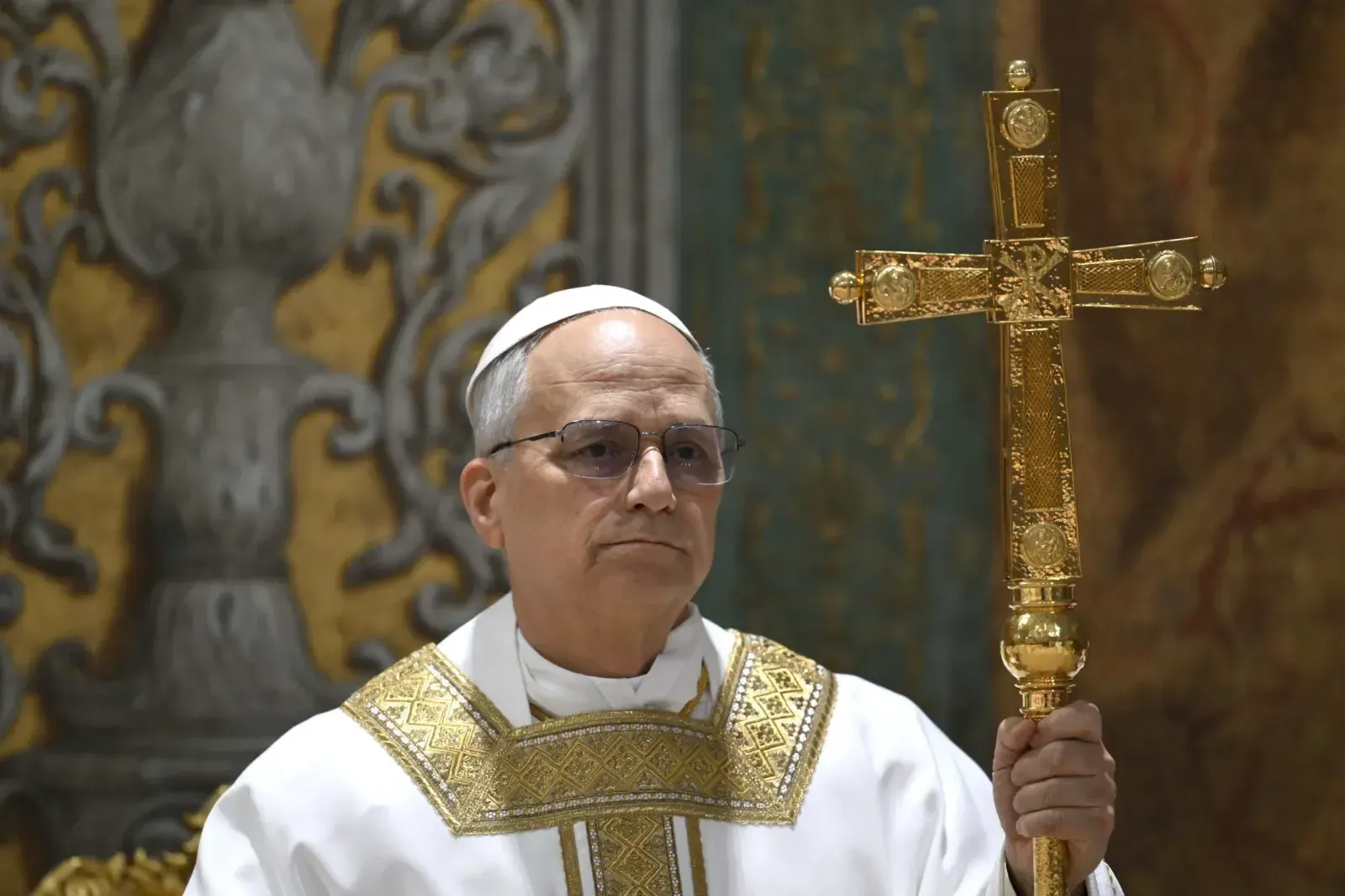
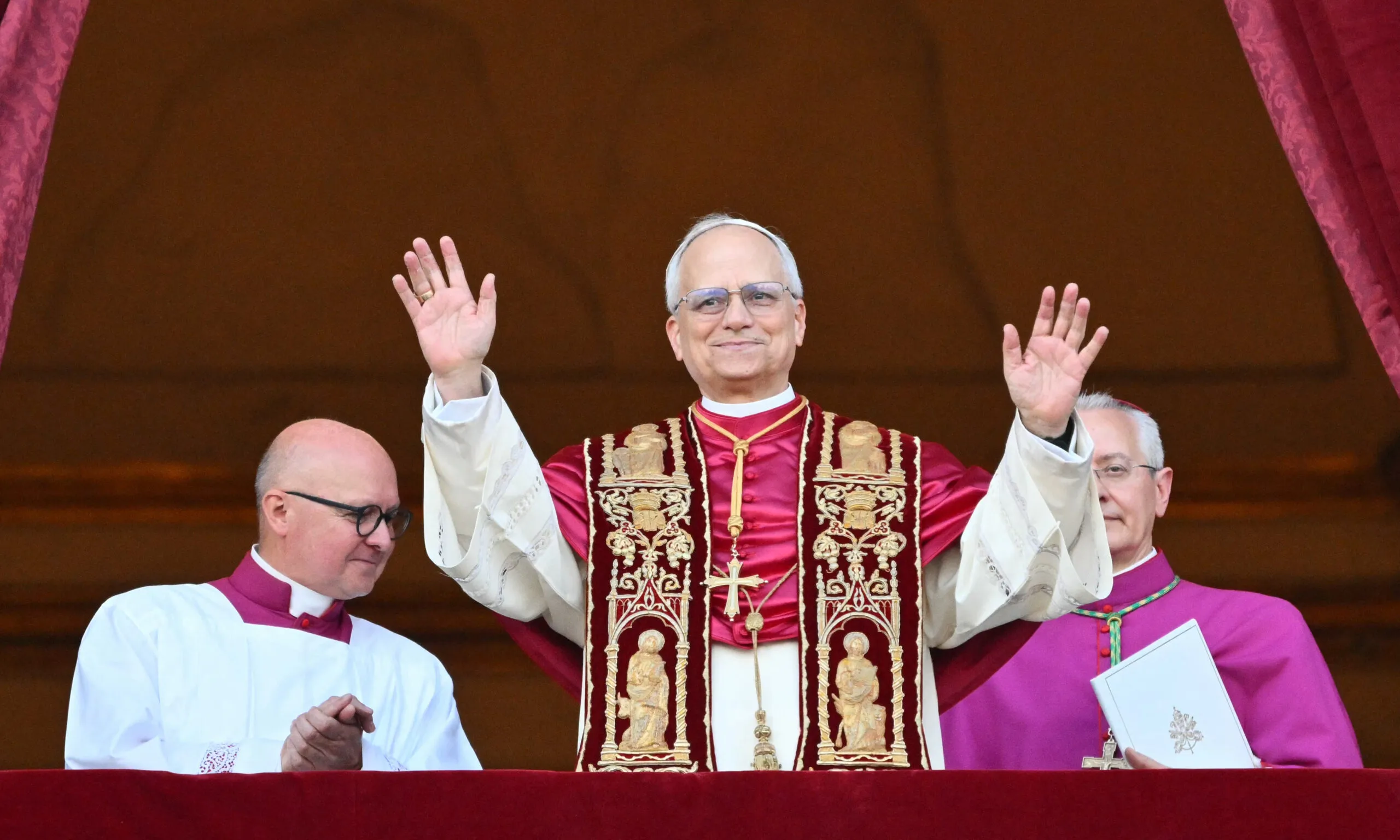
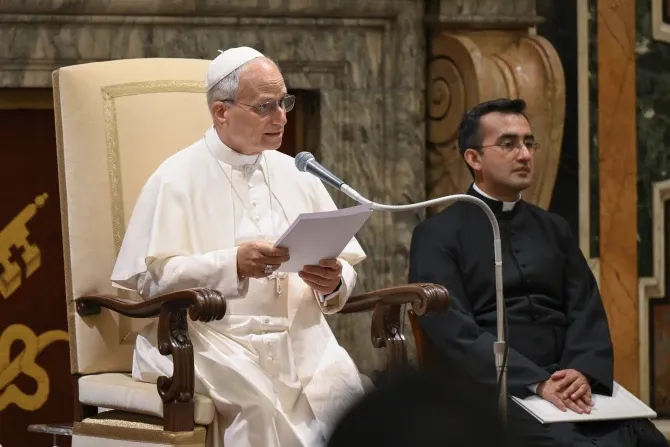
Pope Leo XIV dialogue was the clear focus as the Pontiff and Israeli President Isaac Herzog spoke about the need to reopen all channels of contact, emphasizing direct communication as the most practical tool for reducing tensions. The call was framed around restoring working lines that allow messages to move quickly between decision makers, diplomats, and community leaders, even when public rhetoric hardens. Today, officials close to the discussion described the exchange as purposeful and measured, with both sides stressing respect for religious communities and the value of consistent engagement. Live diplomatic contacts, they noted, are most effective when they remain routine rather than crisis driven, helping prevent misunderstandings from turning into irreversible decisions.
The Israeli President discussion with the Pope was positioned as a reminder that dialogue is not a concession but an operating method, especially when security concerns and humanitarian pressures compete for attention. Reporting referenced by the latest matchday briefing was used internally as a shorthand example of how continuous coverage keeps audiences oriented, and the same logic applies to conflict management where clear signals matter. In this context, the Vatican pressed for open lines that can handle sensitive issues quietly and promptly, rather than through statements aimed at domestic audiences. An Update circulated afterward stressed that constructive language can create room for negotiations over access, protections, and guarantees that might otherwise stall before they start.
The Importance of Communication
Holy See diplomacy was presented as a stabilizing force because it operates through repeated contact and careful phrasing, aiming to keep channels active even when formal talks pause. In practical terms, the Vatican approach prioritizes immediate de escalation steps, protection of civilians, and safeguarding religious sites, while also keeping a long view on regional coexistence. Today, aides highlighted that consistent communication lets both parties test ideas, correct misinformation, and coordinate responses to flashpoints without escalating publicly. A Live posture is not theatrical here, it means maintaining real time readiness to engage when events shift by the hour. For readers tracking the official account, the Vatican summary at Vatican News coverage of the phone call reflects that emphasis on steady contact and respectful tone.
Historical Relations Between the Vatican and Israel
The context for the Israeli President discussion also rests on a relationship that has moved through formal recognition, practical cooperation, and periodic strain, with the Holy See often acting as a bridge among religious and civic actors. Rather than revisiting broad history, the immediate point was that established frameworks exist for addressing problems when political conditions allow them to function. When those frameworks weaken, disputes over access, security measures, and community life can become harder to manage, especially for Christian institutions that rely on predictable permits and movement. For a closely related example, reporting on Jerusalem Christian schools and permit pressures shows how administrative barriers can ripple through daily life. An Update from Vatican sources signaled that reopening channels is meant to restore the kind of routine problem solving that prevents local grievances from becoming international disputes.
Impact on Ongoing Conflicts
Conflict resolution in this exchange was defined less by sweeping promises and more by incremental measures that can be verified, communicated, and sustained, with both sides acknowledging that language used by leaders influences realities on the ground. The Pope’s emphasis leaned toward humanitarian access and the protection of the vulnerable, while the Israeli side’s perspective centered on security, deterrence, and preventing further harm to civilians. The shared ground was the practical need for contact points that remain reachable, even when the public environment is polarized. A Live line of communication allows urgent clarifications when incidents occur, reducing the risk that partial information drives retaliatory steps. Related Vatican reporting, including coverage of Order of Malta aid commitments in southern Lebanon, illustrates how diplomacy and relief efforts intersect when tensions disrupt normal logistics.
Future Steps for Vatican Diplomacy
Looking ahead, Holy See diplomacy is expected to keep prioritizing steady engagement with both political authorities and faith communities, aiming to maintain spaces where grievances can be voiced without inflaming them. The immediate value of the Pope Herzog call lies in reestablishing habits of contact, setting a tone that makes subsequent technical conversations possible on access, protections, and humanitarian coordination. Today, Vatican officials framed the goal as durability, building processes that hold even when headlines shift. Live engagement will likely include discreet follow ups through diplomatic channels and pastoral outreach, reinforcing that communication is a tool for accountability as much as for reassurance. For perspective on the Pope’s broader posture in conflict affected regions, analysis of Pope Leo XIV urging Christian witness amid war underscores the consistent message that moral clarity and dialogue can coexist without diluting either side’s concerns.