




Sant’Egidio’s Call to Action
Sant’Egidio migrant rescue efforts moved back to the center of the agenda as the community appealed for faster interventions at sea and wider protection for people fleeing violence and poverty. Today, its message has been framed as an operational demand, not a slogan, to treat each distress call as a time sensitive emergency and to measure success in lives brought ashore safely. The group’s leaders stressed that compassion must be matched with coordination among coastal authorities, ship operators, and humanitarian actors so that response windows do not close. Live testimonies gathered from survivors have been used to underline the cost of hesitation, while an Update from field partners has highlighted how rapidly conditions deteriorate when boats drift without assistance.
Impact of Migrant Tragedies in the Mediterranean
The latest loss of life has again sharpened attention on the Mediterranean migrant crisis, where overcrowded vessels and unpredictable weather turn routine crossings into catastrophes within minutes. In reporting the reaction, Sant’Egidio insisted the public discussion stay anchored in verifiable outcomes, recovery operations, identification of victims, and support for families. Today, authorities in multiple jurisdictions are still reconciling timelines and signals from the hours before the sinking, with Live monitoring data and radio records becoming central to any credible account. In a separate reminder of how quickly public focus can shift away from human consequences, coverage elsewhere continued as normal, including Premier League lands fifth Champions League place, while this tragedy demanded sustained attention. An Update from aid teams also emphasized that trauma care begins immediately upon disembarkation.
Current Rescue Efforts and Challenges
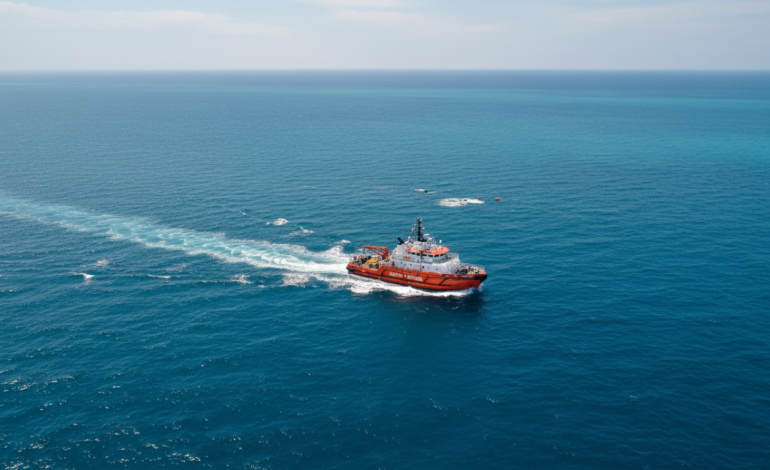
Rescue capacity remains uneven, with gaps driven by funding constraints, jurisdictional disputes, and the sheer distance between distress locations and safe ports. Sant’Egidio humanitarian aid networks argue that a functioning response cannot rely on sporadic deployments, it requires predictable patrol patterns, clear disembarkation rules, and rapid medical triage on arrival. Operationally, the hardest moments come when multiple alerts land at once and decision makers must prioritize assets without losing track of smaller craft. Live conditions at sea, including changing winds and engine failures, often mean crews are racing not only against time but also against incomplete information. An Update from the region has described persistent delays caused by administrative checks and port assignments, while church linked groups call for decisions that keep rescue, not deterrence, as the guiding standard.
Humanitarian Strategies for Safe Migration
In its migrant tragedy response, Sant’Egidio has pushed strategies that reduce the need for desperate crossings, pairing immediate rescue with legally protected pathways and stronger reception systems. The community has pointed to humanitarian corridors, family reunification processing, and community sponsorship as approaches that can be monitored and evaluated, rather than improvised after each disaster. It has also pressed governments to synchronize asylum screening with health and safeguarding services so that survivors are not lost in bureaucratic limbo. Coordination with international reporting has been shaped by the account carried by Vatican News coverage of Sant’Egidio’s appeal, which stressed the moral imperative to save lives and the practical need to organize safe options. Within the Church’s wider engagement, related perspectives appear in Pope Leo XIV calls Christians to witness in war and Order of Malta pledge sustains aid in southern Lebanon as humanitarian action continues across conflicts and displacement routes.
The Global Responsibility towards Migrants
Responsibility for preventing deaths at sea extends beyond border states, and Sant’Egidio has framed the issue as a shared duty grounded in law, ethics, and measurable commitments. The community’s appeal argues that deterrence alone produces riskier routes and higher mortality, while stable rescue coordination paired with legal pathways reduces incentives for smugglers. It also calls for consistent funding for reception and integration so that first arrival countries are not left to shoulder long term costs alone. For transparency, Sant’Egidio and other groups often reference independent humanitarian reporting, including analysis on Refugees International, to compare pledges with outcomes and to track whether policy shifts translate into fewer fatalities. In the Church’s communications landscape, the insistence is clear, prioritize people in danger and build systems that prevent the next sinking rather than reacting after the fact, with accountable cooperation replacing ad hoc responses.