

Holy See Strengthens Role in International Relations Through Faith-Based Diplomacy
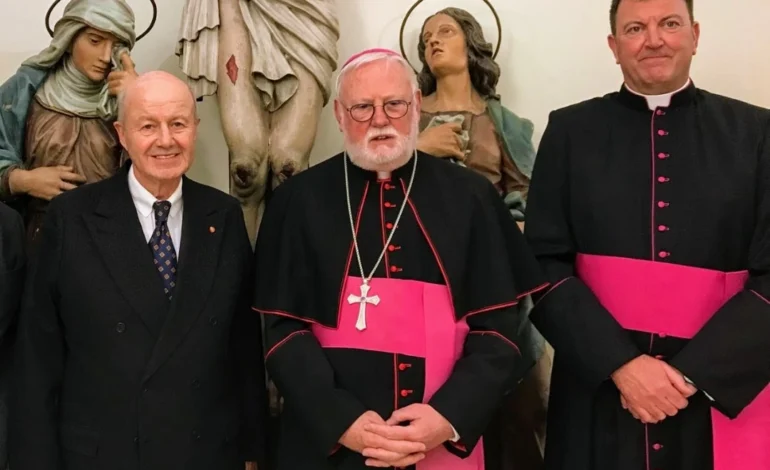

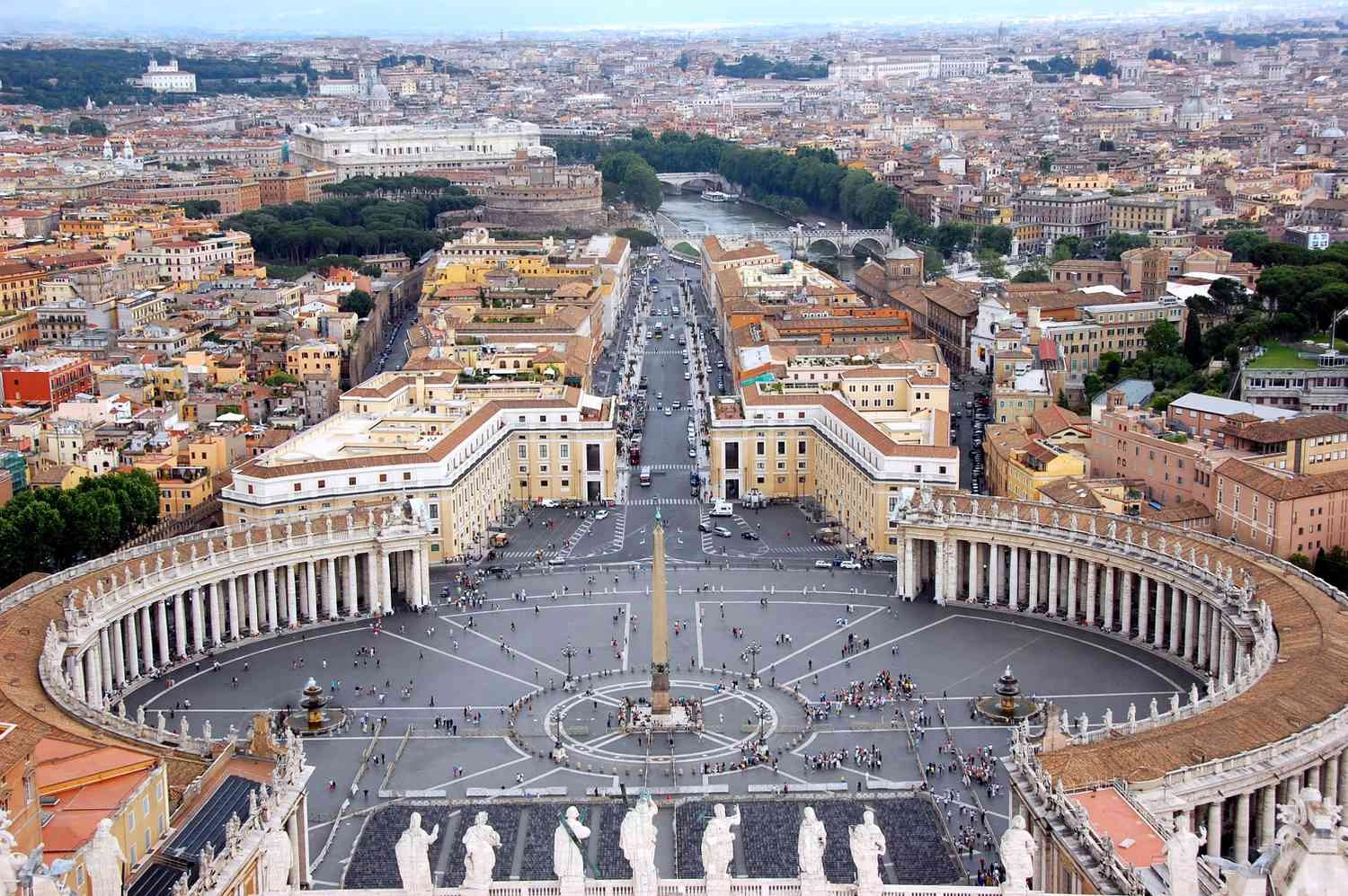
The Holy See is reinforcing its position in global international relations by advancing a model of diplomacy rooted in faith-based engagement. As geopolitical tensions grow more complex and cultural identities play a greater role in shaping policy, the Vatican is emerging as a unique actor bridging moral authority with strategic diplomacy.
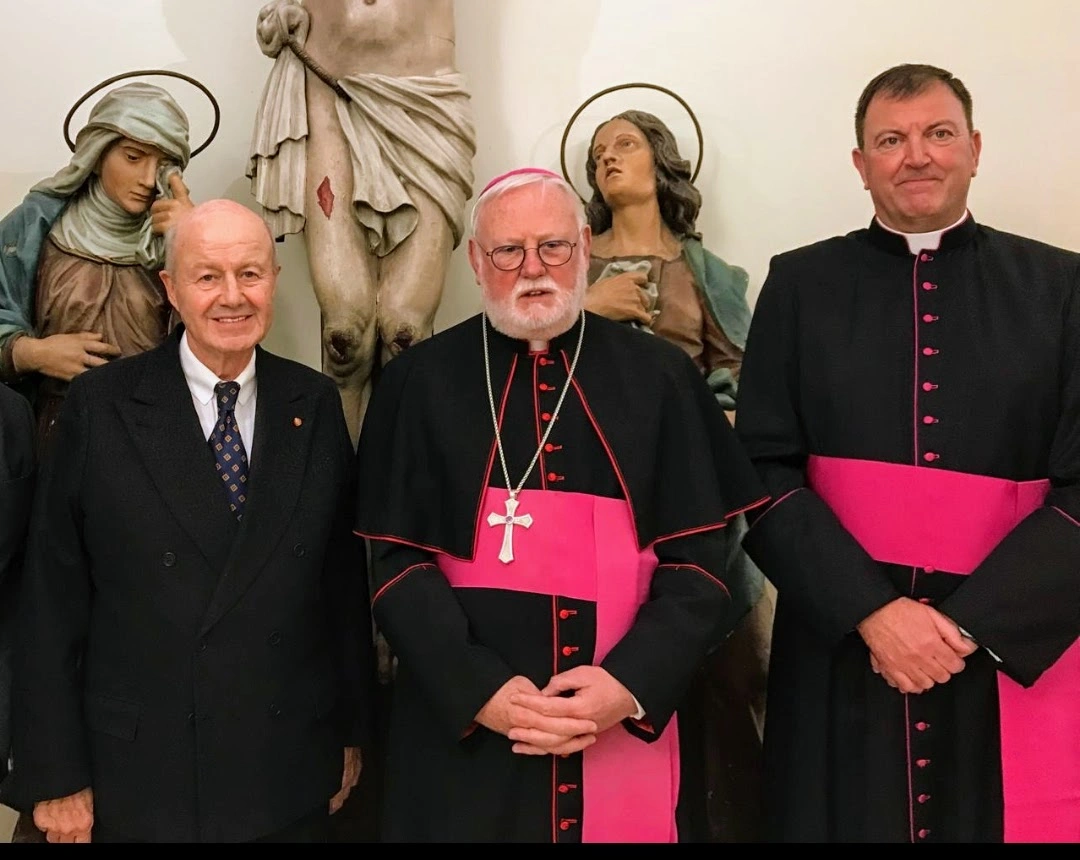
Within the Roman Curia, there is a clear shift toward aligning doctrinal perspectives with diplomatic outreach. This integrated approach enables the Church to present a unified stance on global issues, ensuring that its engagement in international relations is both consistent and impactful. The move reflects a broader understanding that religion is increasingly intertwined with global governance and policy development.
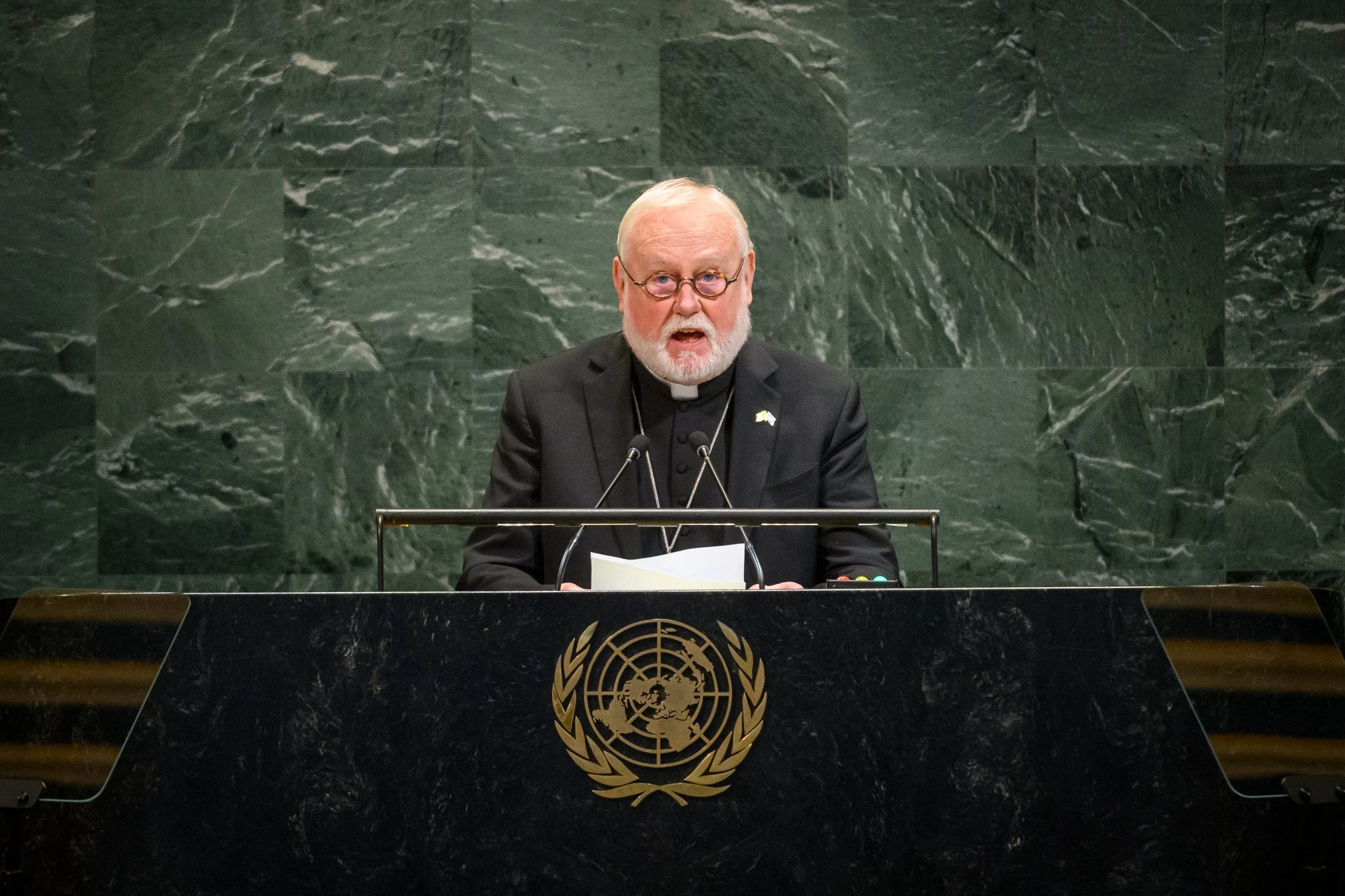
In regions experiencing political instability and social fragmentation, religion often plays a central role in shaping alliances and conflicts. Coverage from Reuters and BBC has shown how governments are navigating sensitive issues linked to religious identity, minority rights, and ideological divisions. The Vatican’s diplomatic strategy responds to these challenges by emphasizing dialogue, mediation, and long-term cooperation.
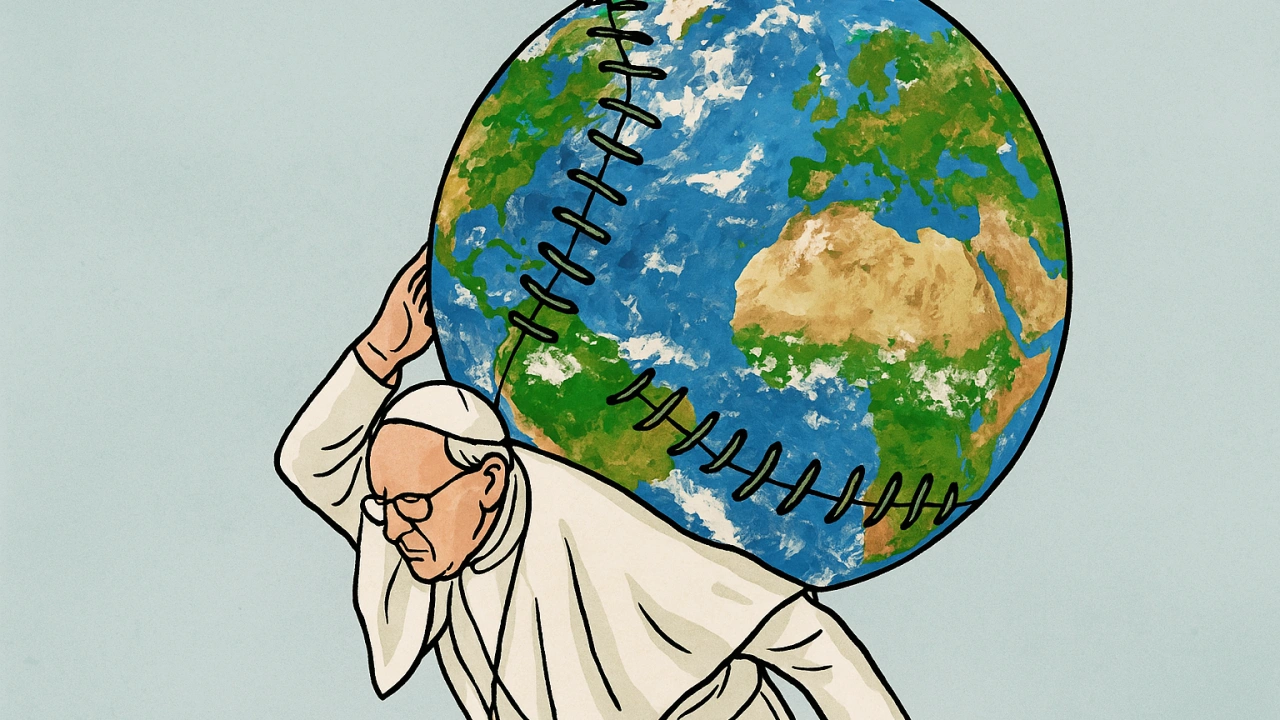
Under the leadership of Pope Francis, the Church has expanded its engagement with global leaders, participating in discussions that go beyond traditional religious concerns. These efforts include peacebuilding initiatives, humanitarian advocacy, and support for policies that promote social cohesion. The Vatican’s neutrality allows it to operate effectively in environments where political actors may struggle to find common ground.
Interfaith diplomacy has become a cornerstone of this approach. By fostering relationships with leaders from different religious traditions, the Vatican is creating platforms for collaboration on shared global challenges. These include migration, economic inequality, and environmental concerns, all of which require coordinated responses that transcend national and cultural boundaries.
At the same time, the Vatican is strengthening its institutional coordination to support this expanded role. Departments within the Roman Curia are working more closely to ensure that diplomatic actions align with theological principles and communication strategies. This internal alignment enhances the Church’s ability to respond quickly and effectively to global developments.
The rise of digital communication has further amplified the Vatican’s influence in international relations. Through global media channels and online platforms, the Holy See is able to engage directly with policymakers, institutions, and the public. This increased visibility supports its efforts to shape narratives around faith, diplomacy, and global governance.
As international relations continue to evolve, the Vatican’s emphasis on faith-based diplomacy highlights the growing importance of integrating moral perspectives into global policy. By combining spiritual leadership with strategic engagement, the Holy See is positioning itself as a key contributor to shaping a more cooperative and stable international system.