



Strait of Hormuz Disruption Drives Up Costs for Global Aid Operations

The disruption of shipping through the Strait of Hormuz is increasingly affecting humanitarian operations worldwide, with aid organizations reporting rising costs and logistical challenges. The restrictions, linked to ongoing tensions in the Middle East, have driven up fuel prices and disrupted supply chains critical for delivering assistance to vulnerable communities.
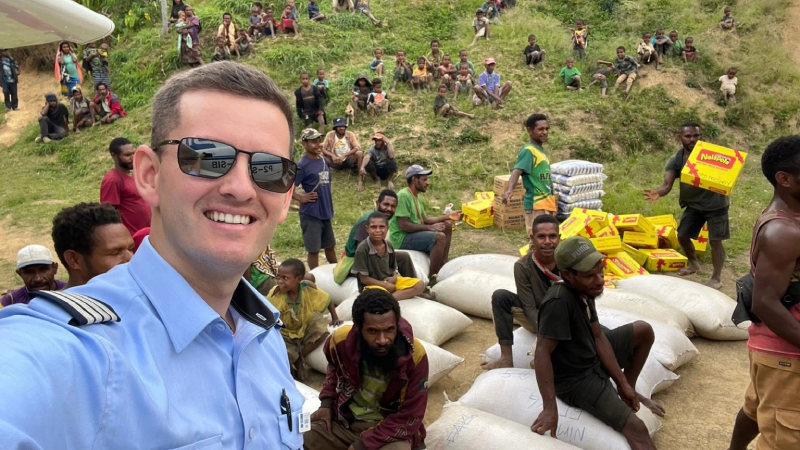
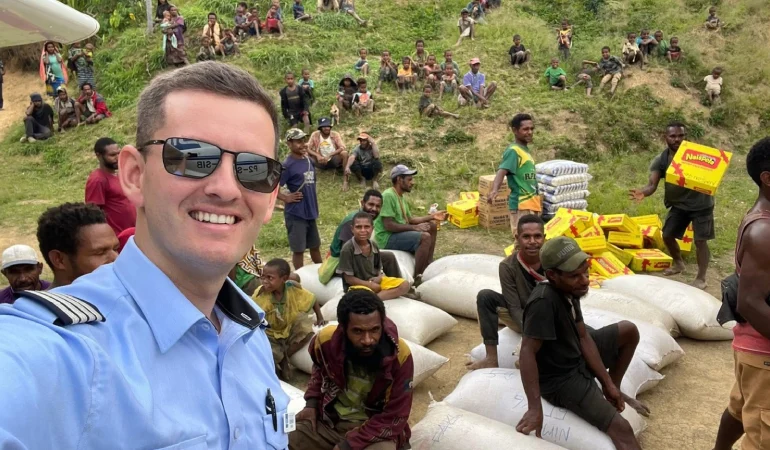
Relief groups, including JAARS, say they have experienced a sharp increase in aviation fuel costs in recent weeks. The organization, which operates dozens of aircraft supporting missions in remote regions, reported a significant jump in operating expenses, with fuel costs rising by roughly 25 percent. This has placed additional strain on already stretched humanitarian budgets.
The impact extends beyond aviation, as shipping delays and higher transport costs are affecting the delivery of essential goods such as food, medical supplies, and equipment. Aid agencies warn that these disruptions could slow response times and reduce the scale of assistance available to communities in need, particularly in hard to reach areas.
Industry experts note that the Strait of Hormuz is a critical artery for global energy flows, and any interruption quickly translates into higher fuel prices worldwide. These cost increases ripple through supply chains, affecting not only commercial sectors but also humanitarian operations that depend on efficient and affordable logistics.
As the situation continues, aid organizations are calling for stability and open shipping routes to ensure they can maintain operations. The challenges highlight how geopolitical tensions can have far reaching consequences, directly impacting efforts to support some of the world’s most vulnerable populations.