
Pope Leo XIV’s Vision for Vatican II
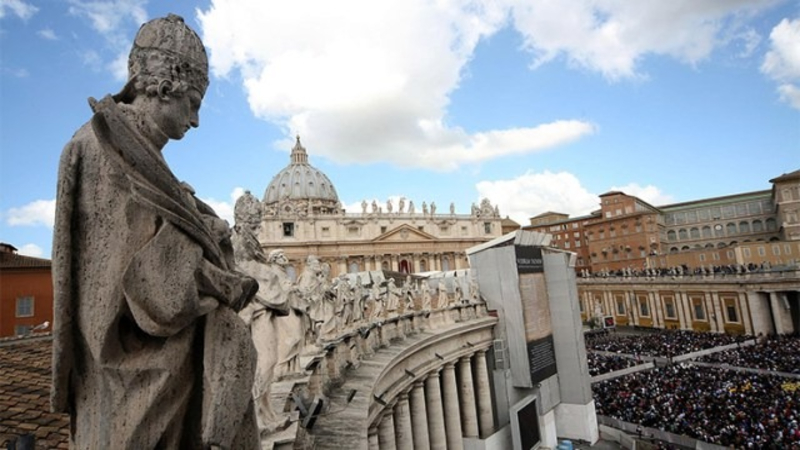
Rome’s weekly audience turned into a pointed briefing on how the Church reads the Council in real time. In his catechesis, Pope Leo XIV framed the Second Vatican Council not as a commemorative theme, but as the compass for decisions being made across dioceses right now. Today, aides described the series as designed to keep pastoral reforms anchored in doctrine rather than personalities. The Pope linked this emphasis to the conciliar call for a missionary Church that speaks clearly while listening closely. Live coverage from the Vatican focused on his insistence that renewal must be measured by fidelity to the Gospel and by concrete service. He signaled that the catecheses will remain a regular reference point in coming months.
Key Teachings from the Catecheses
The immediate substance of the series is laid out in the Vatican’s own account of the audience, which described the Council as a “North Star” for the Church’s journey. Midway through the remarks, the Pope stressed that Vatican II is best read through its official texts and the Church’s continuous tradition, not through slogans. That framing is detailed in Vatican News coverage of the catecheses on the Council, which also noted the pastoral aim of the cycle. For an Update on how this message is being communicated beyond the audience hall, editors highlighted the role of reading and study in the Pope’s wider program. Live notes from Vatican correspondents emphasized his call for catechesis that forms conscience and strengthens communion.
Impact on Catholic Social Doctrine
The Pope’s Council-focused teaching is being paired with a public insistence on peace and the defense of human life in ongoing crises. In a separate Vatican briefing, Vatican News documented Pope Leo XIV’s repeated peace appeals, which officials presented as a consistent pattern of governance rather than episodic interventions. Today, curial staff pointed to the way conciliar principles on human dignity and solidarity shape these interventions in language accessible to Catholics working in law, education, and health care. The phrase pope vatican ii has become shorthand in commentary for the link between doctrine and diplomatic tone, but the Pope anchored it in pastoral responsibility. For context, readers tracking the Pope’s diplomatic calendar can follow Pope Leo XIV Meets Marco Rubio in Vatican Talks as one example of how social teaching informs institutional dialogue. This Update was presented as continuity with the Council’s call to engage the modern world prudently.
Vatican II’s Relevance Today
In the Vatican’s communications, the emphasis is less on abstract debates and more on operational consequences for preaching, parish life, and governance. Live discussion among Vatican analysts has focused on how the catecheses position Vatican council ii as a guide for discerning reforms without turning them into ideological markers. Today, the Pope’s advisers reiterated that the Council’s legacy is protected when pastors teach from primary sources and when dioceses keep liturgical and catechetical practice coherent. As an illustration of how institutions handle clarity and credibility in other fields, one Vatican media strategist cited a recent explainer style piece, CEPR report shows what NFT investors really earned, as a model for presenting complex material without hype. That comparison was used to argue for transparent catechesis and careful referencing. The Pope’s Update for catechists is to present the Council as a living framework, not a partisan label.
Future Directions for the Church
Officials close to the catechesis planning say the next phase will connect conciliar themes to concrete formation for clergy and laity, with attention to unity and evangelization. The Pope has asked that local Churches produce materials that help people read documents directly and apply them to parish realities, a directive Vatican communications teams have begun translating into publishing priorities. Live briefings in May 2026 have underscored that this work is aimed at rebuilding trust through consistency, not by announcing novelty. Today, the approach is to keep debates about change tied to discernment, prayer, and accountable leadership, so that pastoral initiatives do not outrun theological grounding. The Pope is expected to keep returning to conciliar principles when speaking about mission and dialogue, while insisting that practical reforms remain measurable and pastorally sustainable. This Update is being framed as a long term project of reception rather than a one season campaign.