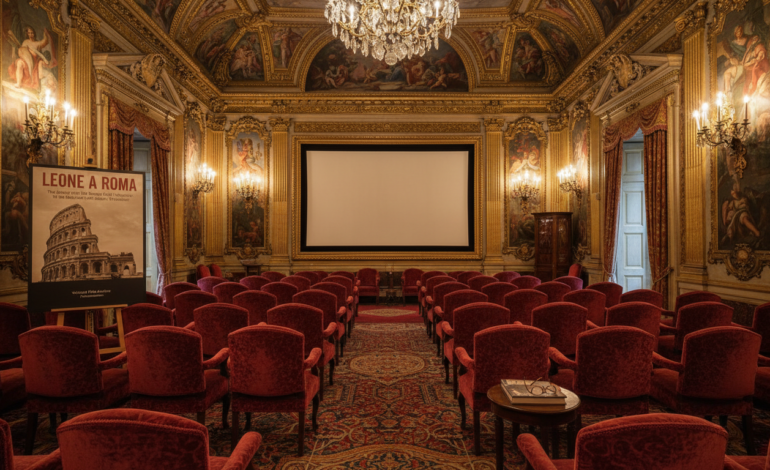

Vatican Releases New Documentary
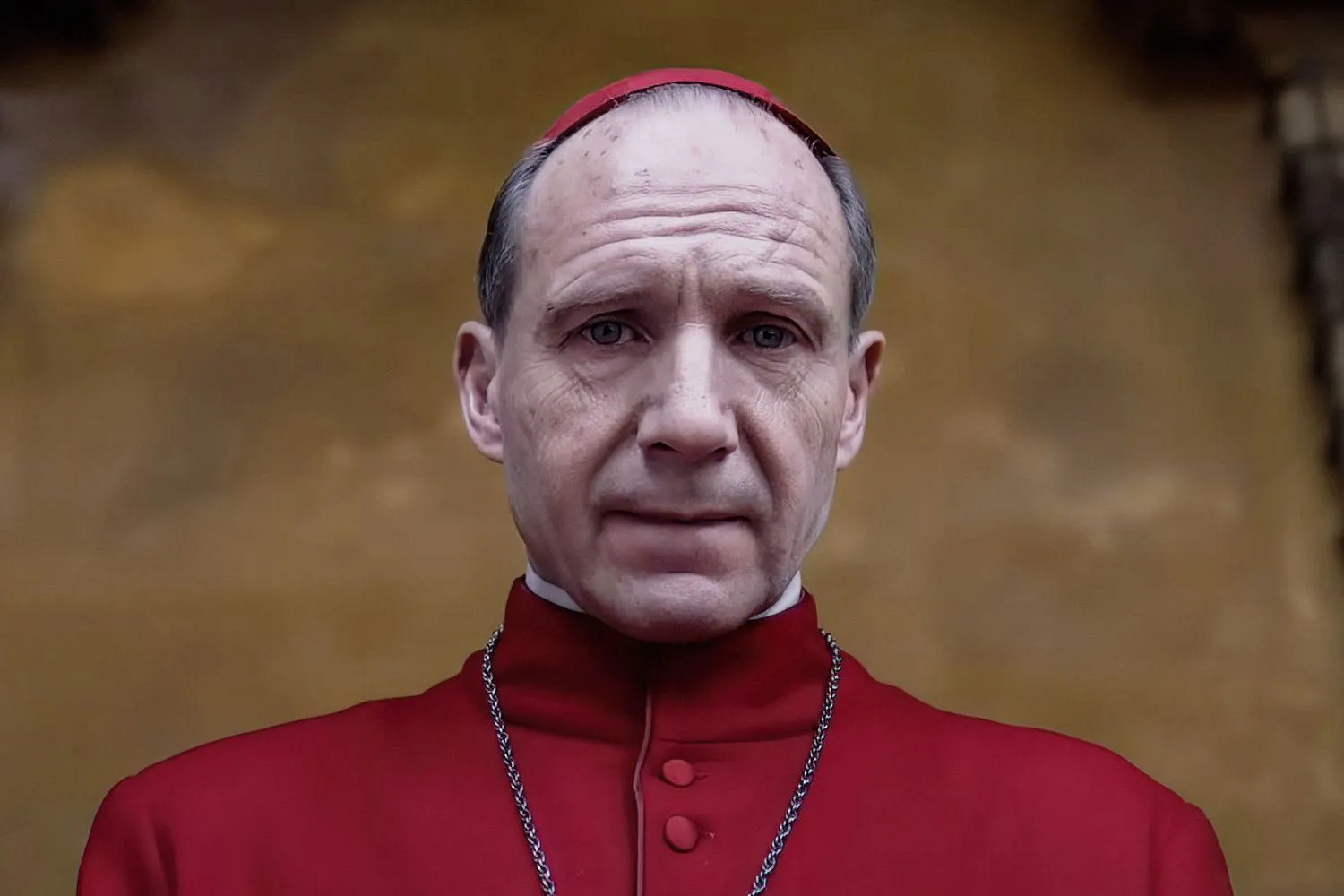
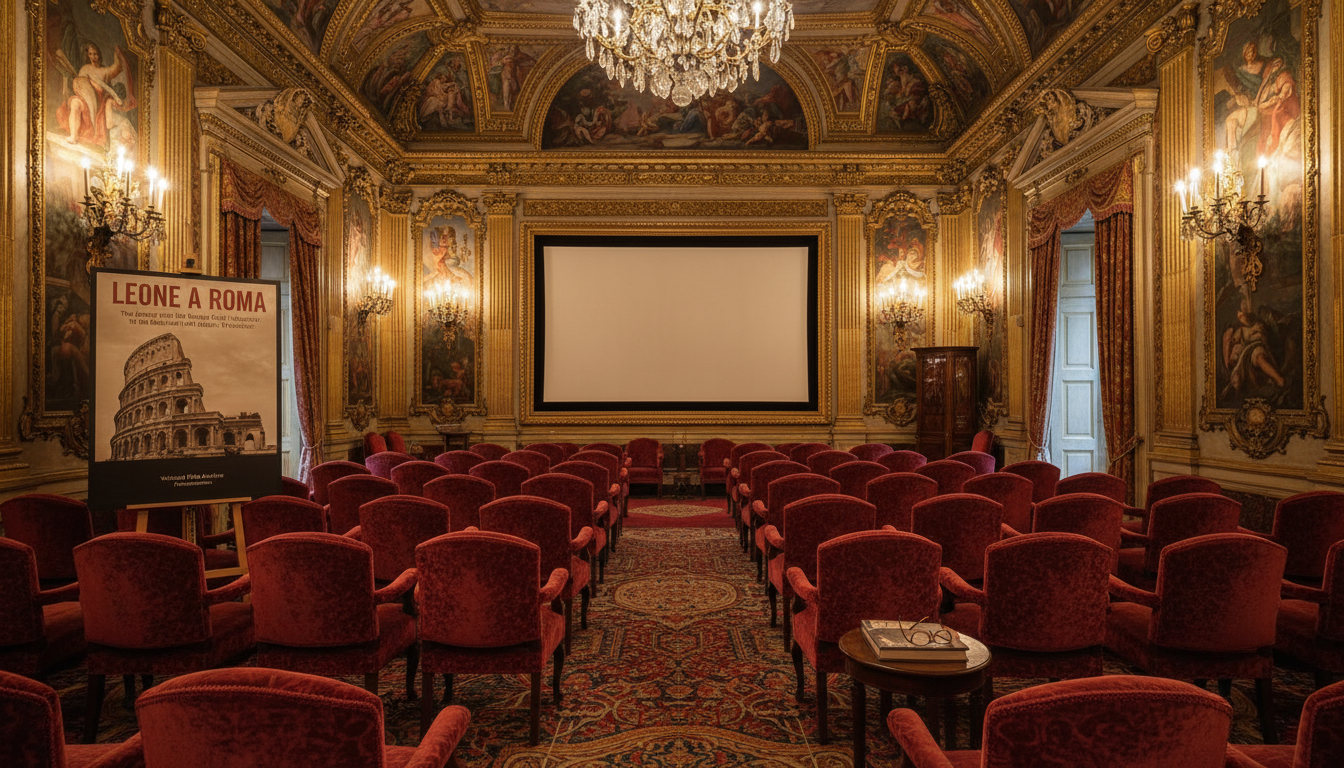
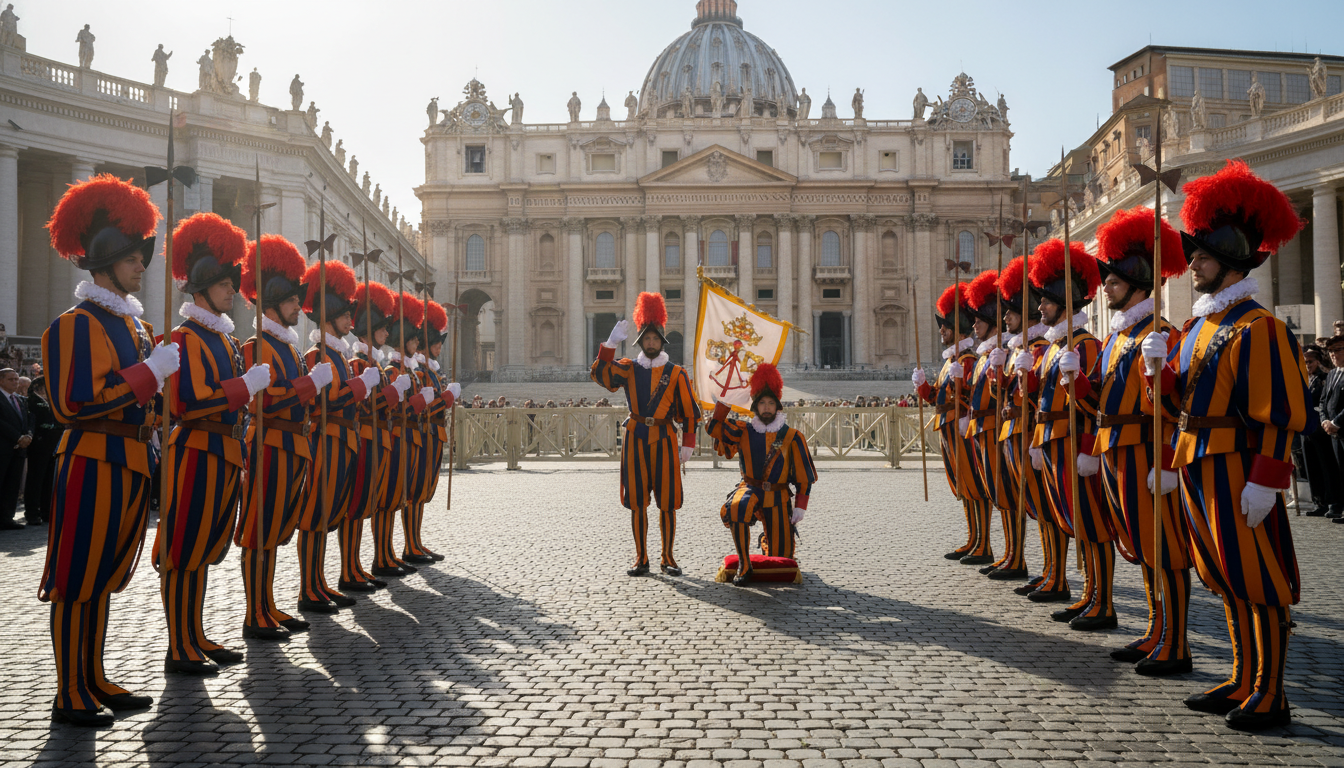
Vatican media has released a new film titled “Leone a Roma,” adding a fresh entry to its slate of papal storytelling and archival programming. The newsroom framed the project as a timely release for audiences following the pontificate closely, and Today it is being promoted across its platforms as a feature-length documentary. In the midsection, the Vatican documentary is presented as a narrative built around Rome-based experiences that shaped public ministry, rather than a general biography. Editors said on Live programming that the film is designed for both broadcast and digital viewing, and an Update on scheduling has been circulated through official channels. The initial rollout emphasizes viewing access and editorial intent, not campaign-style messaging.
Focus on Pope Leo XIV’s Time in Rome
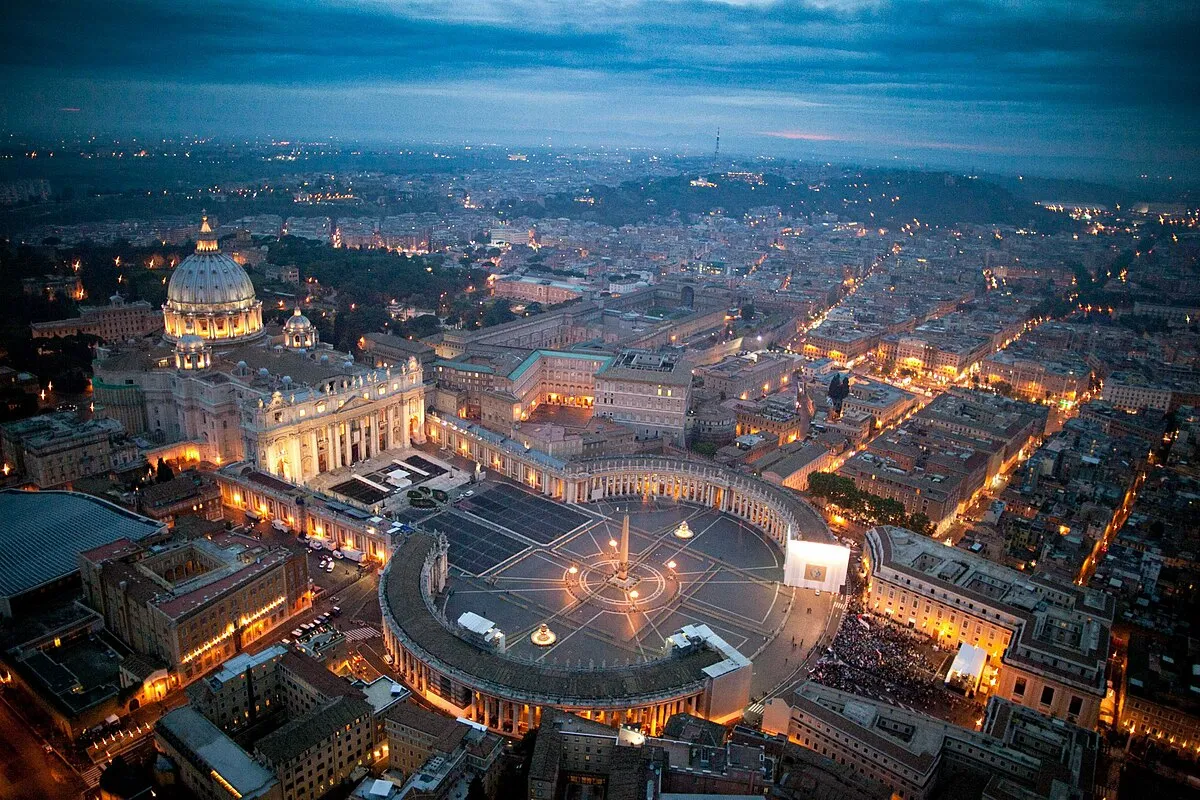
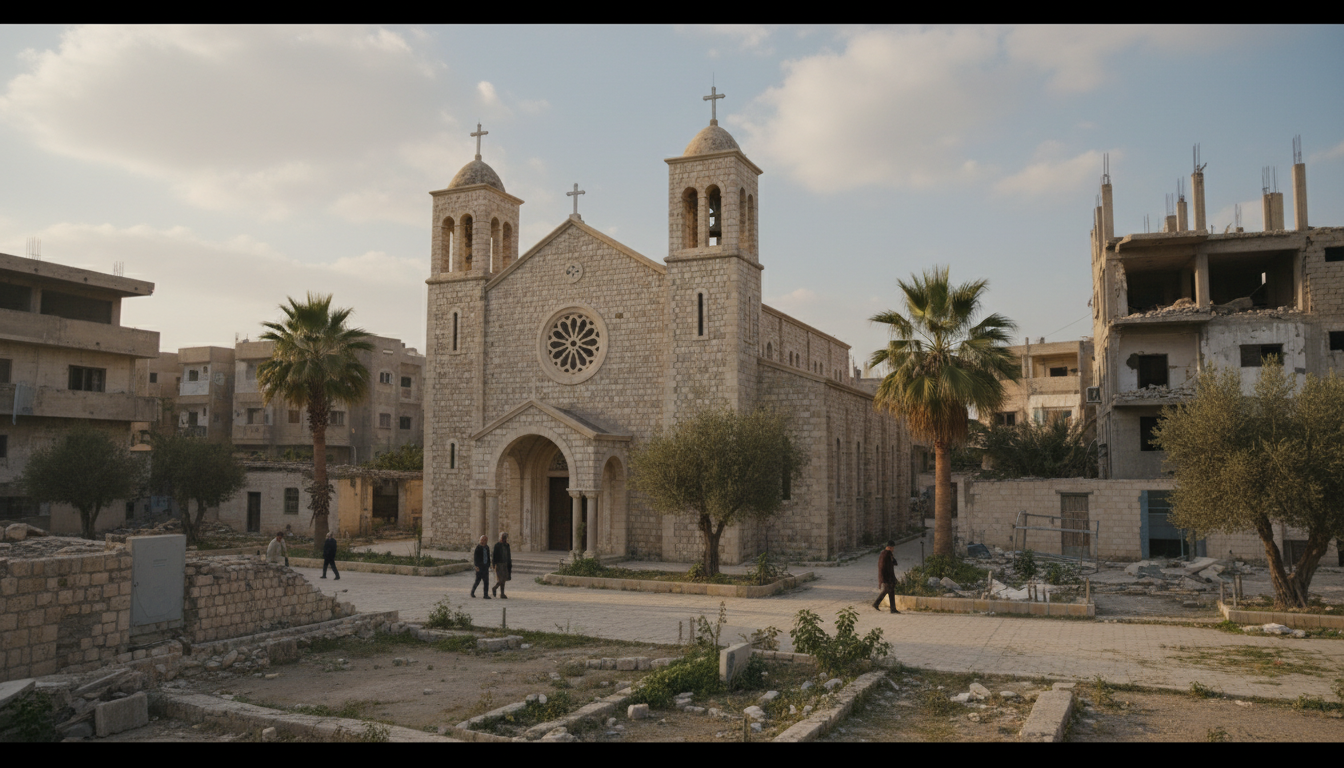
The film’s central thread is the period Pope Leo XIV spent in the capital, with the storyline built around specific places, encounters, and routines tied to Rome history. Vatican producers describe the structure as location-driven, with sequences moving through neighborhoods and institutions that influenced his ecclesial outlook. A parallel Live component has been used to preview clips and contextualize scenes, and in a mid-paragraph aside on media literacy, the post also points readers to NFTs explained as a reference for understanding how digital distribution and ownership debates can intersect with modern content releases. An Update has been offered to clarify which segments draw directly from Vatican archives. The episode framing stays anchored in Rome, avoiding broad claims beyond the curated record.
Production and Broadcast Details
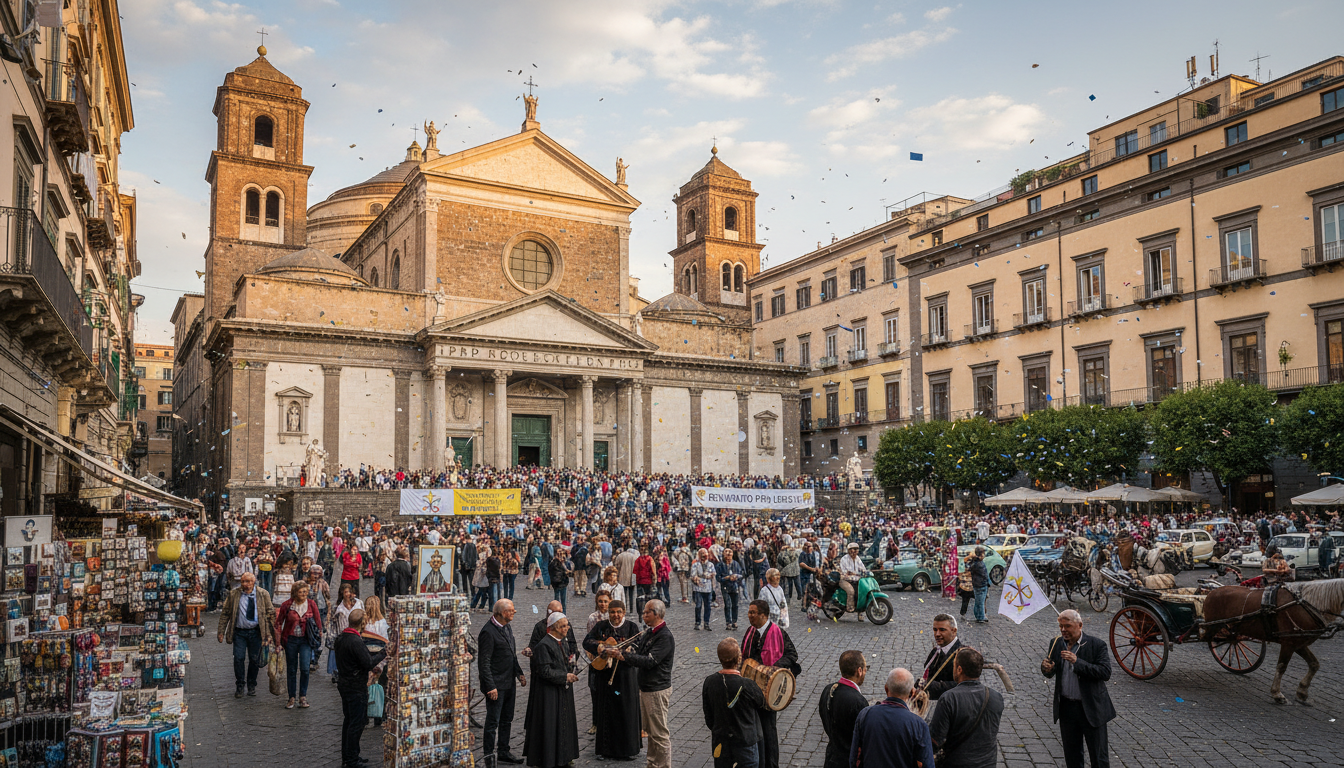
Vatican media has said the documentary was developed with editorial oversight that combines archival footage, on-site filming, and interviews, and Today its broadcast window is being communicated as part of a coordinated release plan. The outlet has not published detailed budget figures, so production scale is described in qualitative terms rather than numbers. In a related Vatican News item about Pope Leo XIV’s May pastoral moments, the network highlighted his public call for peace during a Naples visit, and the same newsroom cross-promoted “Leone a Roma” in its cultural programming stream; see Vatican News on the Pope’s Naples visit for the official text and context. Live segments introducing the film have focused on editorial choices, while an Update on re-air times has been shared through the broadcaster.
Historical Context and Significance
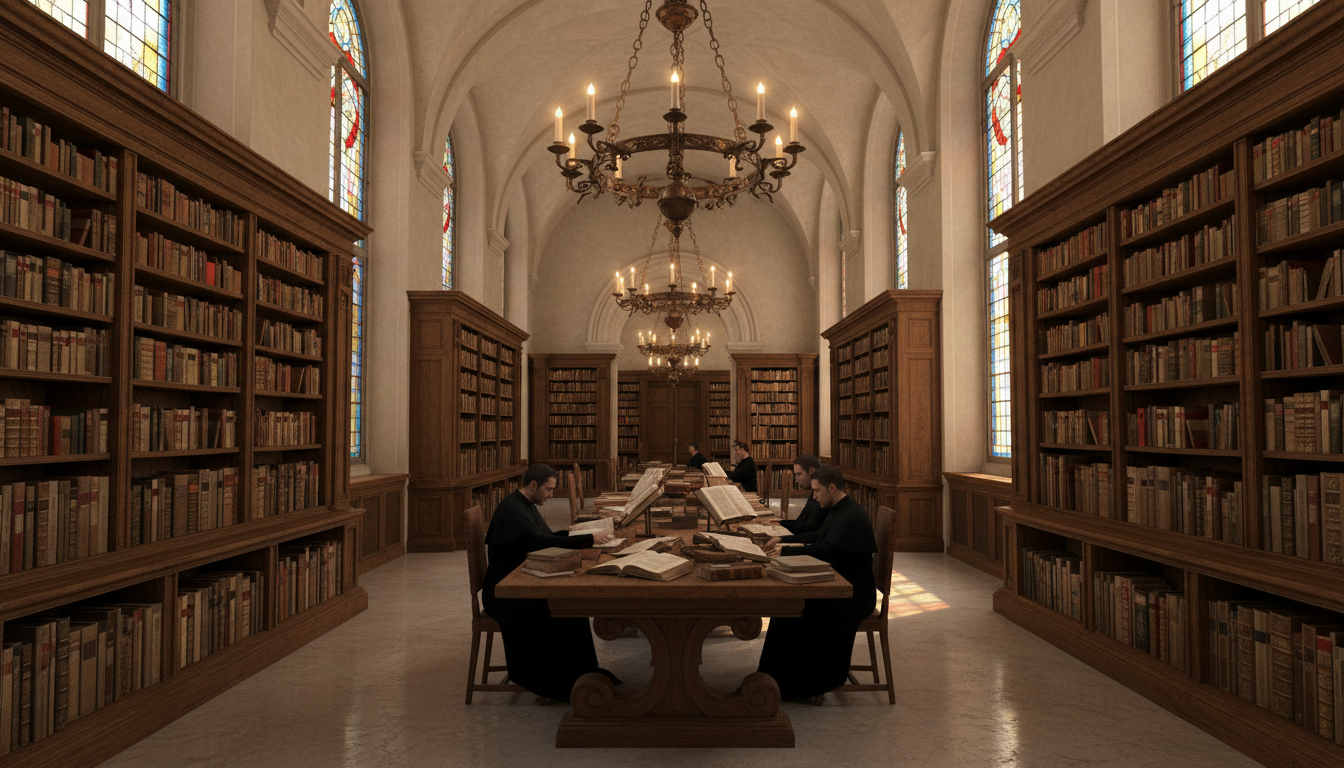
What gives the release weight is how it situates church leadership inside the practical texture of Rome history, including institutional corridors and pastoral settings that recur in the city’s civic life. Rather than making sweeping historical assertions, Vatican editors have emphasized documented moments and verifiable locations, and Today that approach is being described as a way to keep interpretation tethered to evidence. For readers tracking how this narrative fits broader coverage of the pontificate, Pope Leo XIV’s First Year, a Mission of Unity offers additional reporting that sits alongside the film’s themes. The Vatican documentary uses those anchors to show how daily Rome patterns intersect with ecclesial decision-making, while avoiding claims that cannot be corroborated from recorded material. Live discussion around the documentary has centered on whether the historical framing clarifies present priorities, with an Update expected as more reviewers publish considered takes.
Public Reactions and Critiques
Early reaction has focused on craft and editorial balance, with viewers praising the pace of the Rome sequences while also debating what was left outside the frame. Vatican media has not released audience totals, so assessments remain qualitative and tied to identifiable commentary rather than numbers. Some critics have pointed to the film’s reliance on institutional archives as a strength for authenticity, while others argue it limits the range of outside voices, a tension common in official productions. Today, Live conversations on Catholic media programs have compared the documentary’s tone with recent Vatican storytelling that blends culture coverage and pastoral reporting, with an Update on additional screenings being shared as schedules firm up. The clearest takeaway is that the film is being evaluated as journalism-adjacent storytelling, not as a ceremonial communiqué.