Pope Leo XIV urges ceasefire and dialogue as global conflicts intensify suffering

Why ceasefire and dialogue matter now
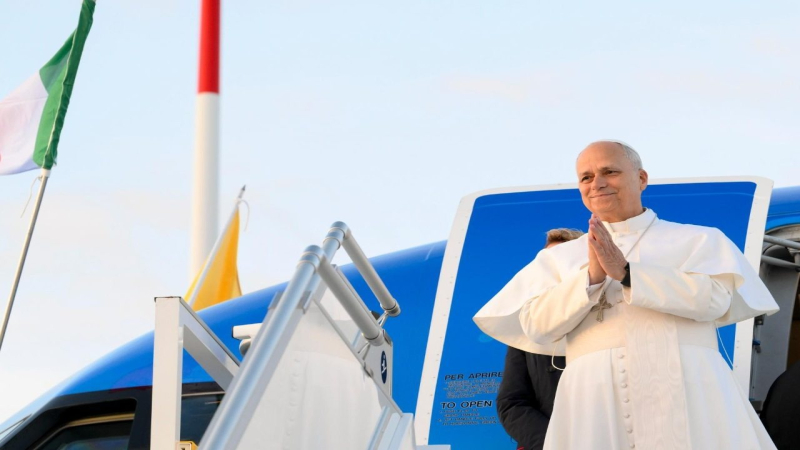
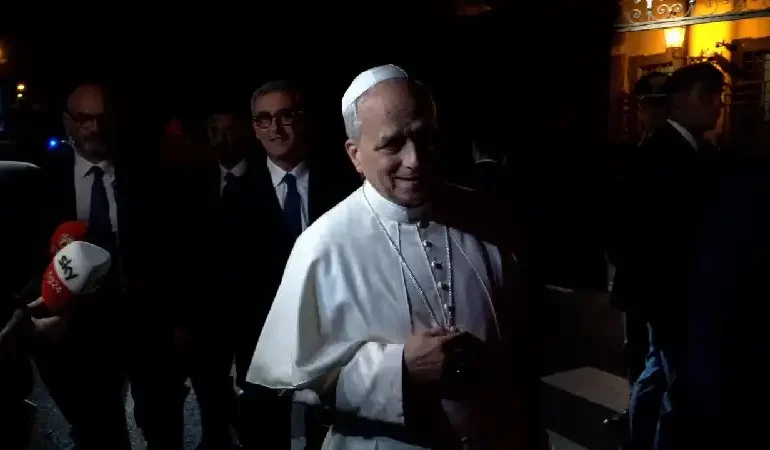
Pope Leo XIV has renewed his call for an immediate ceasefire and meaningful dialogue, warning that rising violence and deepening humanitarian crises are pushing the world toward greater instability. Speaking briefly to journalists outside his residence in Castel Gandolfo, the pontiff stressed that peace cannot be achieved through weapons but only through sincere engagement and negotiation. His remarks come amid escalating conflicts across several regions, where millions remain affected by displacement and insecurity. The Pope’s appeal points to growing concern within the Vatican over the human cost of prolonged wars and the urgent need for political leaders to act responsibly.
The Church context around ceasefire and dialogue
Addressing the worsening global situation, Pope Leo XIV pointed to a troubling rise in hatred and violence, noting that more than a million people are now isolated by continuing conflicts while countless others have lost their lives. He stressed that the international community cannot ignore these realities, as the consequences extend far beyond national borders. The Pope called on authorities to prioritize dialogue as the only sustainable path forward, urging them to move away from strategies rooted in force. His message reflects a broader Vatican position that lasting peace requires cooperation, empathy, and a commitment to resolving disputes without further bloodshed.
The human stakes behind ceasefire and dialogue
The Pope’s remarks align with the Church’s long-standing teaching that peace is built through justice and respect for human dignity. By rejecting the use of violence as a solution, the Vatican still advocate for diplomatic efforts that address the root causes of conflict. The emphasis on dialogue also reflects a moral framework that encourages reconciliation over retaliation. In this context, the Church aims to act as a voice of conscience in international affairs, reminding leaders of their responsibility to protect human life and promote the common good even in times of crisis.
The moral question inside ceasefire and dialogue
Earlier in his Angelus address, Pope Leo XIV expressed deep concern over the suffering of civilians caught in war zones, describing the continuing violence as a scandal that affects all humanity. He warned that the pain experienced by vulnerable populations is not isolated but shared across the global community, calling it a cry that reaches beyond political boundaries. The Pope stressed that silence in the face of such suffering is not an option, urging individuals and institutions alike to respond with compassion and action. His words reinforce the Church’s commitment to standing with those most affected by conflict.
What ceasefire and dialogue signal next
The renewed appeal for peace also comes as international tensions continue to evolve, with continuing conflicts showing little sign of resolution. Pope Leo XIV called for continued prayer alongside concrete efforts to open pathways toward reconciliation, stressing that genuine peace must be rooted in mutual respect and understanding. His message places responsibility on global leaders to move beyond rhetoric and take meaningful steps toward ending hostilities. As the situation develops, the Vatican’s consistent advocacy for dialogue remains a central part of its engagement with global affairs.