




Cardinal Zuppi Ukraine mission: what the Kyiv talks covered
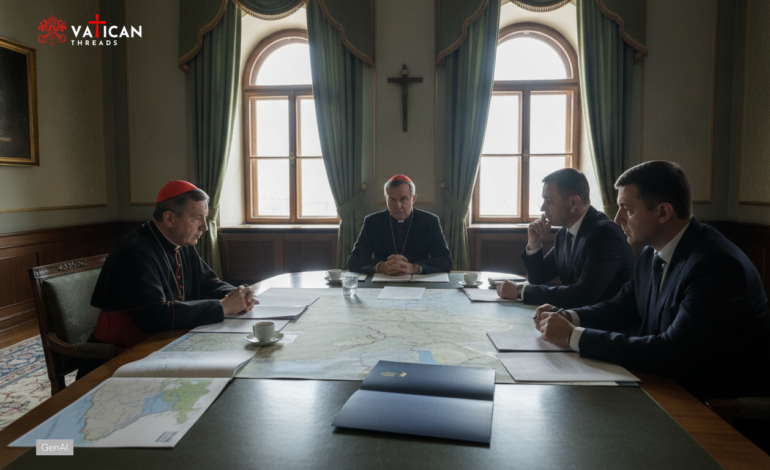
Kyiv hosted a concentrated round of Vatican diplomacy as the papal envoy met civil and religious interlocutors, according to public summaries of the visit. In the core sessions, Cardinal Zuppi was described by Vatican media as carrying the Pope’s message of solidarity while seeking workable steps that can be verified and sustained. The visit was reportedly focused on dialogue and practical humanitarian outcomes rather than public ceremonies, as indicated by the coverage. Officials and church leaders were reported to have discussed conditions for further contacts, the protection of civilians, and the need to sustain mediation formats that do not compromise fundamental principles. The delegation framed the visit as an operational mission aimed at measurable progress and it closed with a commitment to continue contacts through established diplomatic paths, according to the mission reporting.
Cardinal Zuppi and prisoners of war: humanitarian talks and exchanges
In meetings described as private, a key file was reported to center on prisoners of war and the logistics needed to support exchanges and family notification. Cardinal Zuppi was said to have pressed for humanitarian talks that separate human suffering from bargaining, echoing language published by Vatican News coverage of the mission in July 2026. The discussions were also described as addressing documentation and contact mechanisms to reduce uncertainty for relatives, including clearer procedures for confirming custody and verifying lists before any transfer. For context on how sanctions and compliance regimes can shape negotiations, analysts point to NFT regulation and how US sanctions shape global rules, a reminder that technical rules can influence humanitarian corridors indirectly.
Cardinal Zuppi on children and family reunification in Ukraine
Family separation and child welfare were presented as immediate humanitarian priorities tied to the war’s daily realities, according to Vatican-linked reporting. During the visit program, Cardinal Zuppi was reported to have received testimonies from people seeking traceable pathways for reunification and support services that can operate under strain. Vatican commentary on Ukrainian civic voices has highlighted the importance of protecting human dignity in wartime systems, including in a related feature on rights advocate Oleksandra Matviichuk at Vatican News reporting on technology and human rights. The envoy’s aides were described as seeking cooperation with local institutions to keep assistance focused on verifiable needs, including legal identity documentation and safe contact with guardians. The talks were characterized as stressing coordination, accountability, and protections from political theater.
Diplomatic significance of the Kyiv visit for Vatican mediation
Diplomatic significance depended on whether the mission can sustain a trusted channel that complements, rather than competes with, state negotiations, as observers of Holy See diplomacy often argue. In exchanges described by people following the visit, Cardinal Zuppi’s team briefed partners on an approach of incremental humanitarian outcomes intended to build confidence without rewriting official positions. Observers noted that the Holy See’s diplomatic network is most effective when it stays narrowly focused and operational, particularly on detainees and vulnerable civilians. Parallel coverage has framed this as part of broader peace efforts rooted in consistent engagement and careful language. For background on earlier steps, the internal briefing Cardinal Zuppi Ukraine mission arrives in Kyiv for peace details how the delegation positioned its mandate upon arrival, while Cardinal Zuppi Ukraine visit: prayers for just peace outlines the pastoral framing around a just peace.
What comes next after Cardinal Zuppi ends the Ukraine mission
Next steps were outlined as follow-on contacts that test whether any agreed humanitarian procedures can be implemented and, where possible, audited. Cardinal Zuppi’s team signaled that any future engagement would prioritize cases where outcomes can be confirmed, including verified lists, timely family communication, and safe transfer protocols under international humanitarian norms, as summarized in mission-related reporting. In closing communications, Cardinal Zuppi emphasized continuity of dialogue, indicating that further work would proceed through diplomatic channels and church networks already active on the ground. Vatican News summarized the conclusion of the Ukraine mission with a pledge that every effort for peace will be made, tying the promise to concrete humanitarian objectives rather than grand declarations. A near-term measure of success, as framed by this approach, will be whether practical mechanisms remain active after the delegation’s departure and whether stakeholders keep responding through the same agreed points of contact.