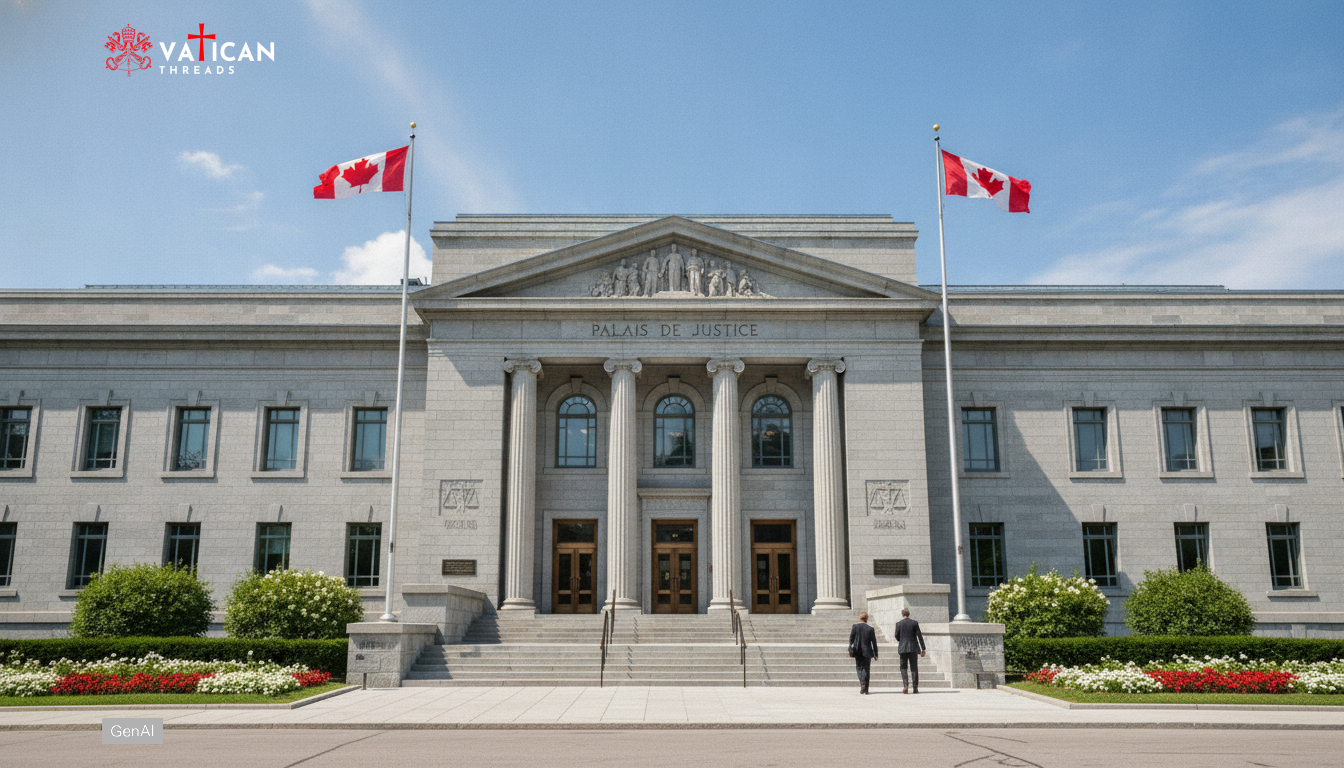





Quebec court ruling on Cardinal Marc Ouellet
In a Quebec Superior Court ruling, Cardinal Marc Ouellet was reportedly cleared in the sense that a judge dismissed a civil claim accusing the senior Catholic prelate of misconduct. As indicated by the court’s analysis, the court found the plaintiff had not met the evidentiary burden required to establish civil liability on a balance of probabilities. The analysis, as set out in the decision, addressed credibility and reliability and did not accept that a wrongful act was proven on the record presented. The matter proceeded as a civil dispute rather than a criminal prosecution, which typically applies a different standard of proof, and Cardinal Marc Ouellet was assessed under that civil framework. This outcome applies to this specific claim and to the evidence tested in that proceeding.
What the plaintiff alleged and what the court assessed
The plaintiff, hortense cica, alleged misconduct connected to encounters she said occurred in church-related settings, according to the court record as referenced in the judgment. The court assessed her narrative against other evidence presented, including testimony and contextual details advanced by both sides, as reflected in the written reasons. A central issue in the ruling was whether the described conduct and surrounding facts were proven on a balance of probabilities, the civil standard used in Quebec. For readers following how courts evaluate service, proof, and contested narratives in modern litigation, similar procedural questions arise in cases such as NFT legal service: courts test airdrops for papers, even though the subject matter differs, and the judge’s reasons cited contradictions and reliability concerns that limited the findings the court was prepared to make from the record.
Why the court dismissed the case involving Cardinal Marc Ouellet
Following the dismissal, the result was described by the defense as confirming that the accusations were not proven within the scope of the lawsuit; any such characterization should be understood as the defense’s reading of the court’s reasons. Counsel for Cardinal Marc Ouellet pointed to proof and credibility—rather than rank or institutional standing—as the key issues, according to public statements reported about the ruling, as indicated by the available reports. For related Vatican governance context that often intersects with accountability debates, see Eastern Synods’ Authority to Remove Patriarchs: Insights from Pope Leo XIV, and the judgment, as written, dealt with the practical consequences that can follow a civil dismissal, including how legal costs should be handled between the parties under Quebec procedure.
Donations request tied to Indigenous causes
The judgment also discussed a remedy proposed by the plaintiff involving charitable giving, according to the written reasons. In that analysis, the court addressed requests tied to Indigenous peoples and whether damages or other court-ordered measures were justified under Quebec civil law given the evidentiary findings stated in the decision, in a Quebec Superior Court context. As a consequence of dismissing the claim, the court did not order Cardinal Marc Ouellet to make the specific donations sought in the lawsuit, as reflected in the ruling. For additional Church coverage and context, see Cardinal Czerny Reflects on 25 Years of Amazon Gatherings, and legal disputes can still prompt voluntary initiatives, but the decision’s reasoning focused on whether the alleged events were proven and whether liability followed. Discussions about Indigenous peoples in Catholic settings remain broader than any single court file and are typically documented through diocesan or conference announcements.
What the decision means for the Church
For church authorities, the ruling illustrates how civil courts can scrutinize proof and credibility even when allegations involve prominent figures, and how personal-injury style claims can lead to findings limited to a specific dispute, based on the judge’s written reasons. Separate from this case, public reporting on sexual violence and accountability continues across jurisdictions, including coverage by BBC News on prosecutors describing sexual assaults in Ceuta, and in that procedural sense, Cardinal Marc Ouellet’s reported clearance in this file does not determine broader safeguarding questions beyond what was pleaded and proven, but it clarifies the legal status of the particular allegation that reached judgment. The case also shows how institutional trust can be affected when accusations become public before judicial testing. Church leaders face continued pressure to pair due process with transparent prevention and reporting systems.