


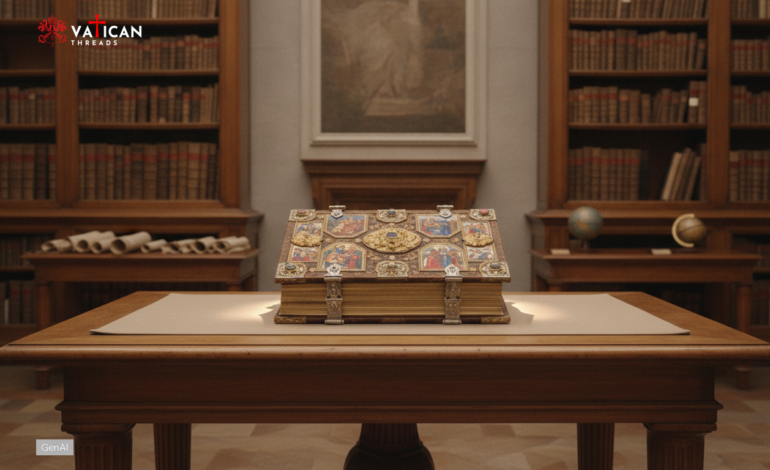

Vatican Presentation of the Bible of Aquileia Facsimile
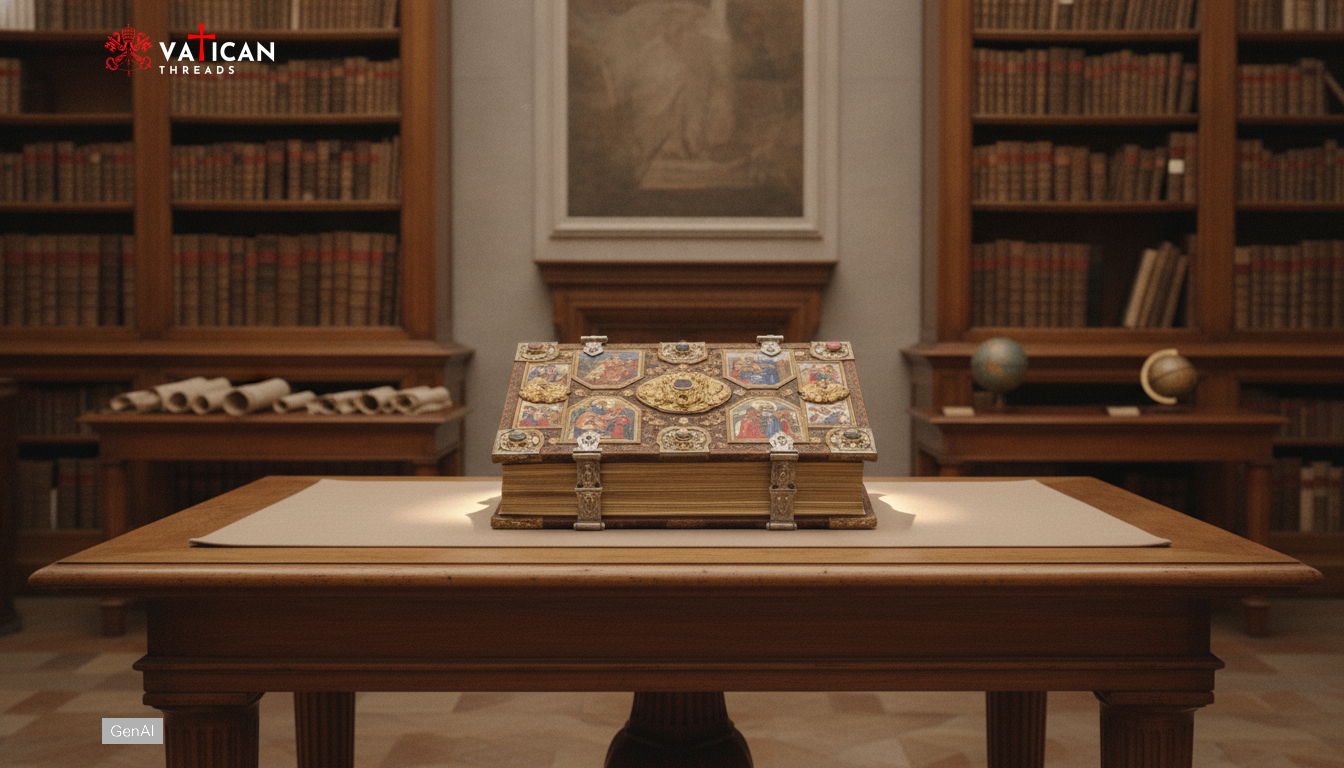
The Vatican has presented a new facsimile edition of the Bible of Aquileia, positioning it as a practical research and teaching resource rather than a ceremonial replica. As indicated by available reports from Vatican News, the project aims for an accurate rendering of parchment tone, pigments, ruling, and page layout so readers can study the codex without repeated handling of the original. Curators described the facsimile as a tool for public consultation, exhibitions, and seminars, while conservation staff reiterated controlled protocols for any direct access to the manuscript itself. The release also fits within the Vatican’s wider cultural programming that pairs scholarly access with long term preservation of fragile heritage materials.
Why This Facsimile Matters for Research and Teaching
Editors said the edition supports detailed comparisons of script, illumination, corrections, and marginalia across medieval traditions, while keeping page references stable for citation. For readers tracking broader Vatican documentation practices, a parallel discussion of transparency and record keeping appears in Vatican Apostolic Archive Expansion Ordered by Pope Leo XIV, which similarly highlights managed access to sensitive holdings. Vatican News framed the initiative as a way to broaden access without increasing conservation risk, especially when courses or visiting researchers need extended time with the work. Specialists involved in the imaging noted that consistent color management and verification checks can help scholars evaluate pigments and later interventions across gatherings more reliably.
Institutions, Editorial Method, and Documentation Standards
The presentation described a coordinated effort involving curators, conservators, and scholarly reviewers working through a shared workflow: codicological assessment, calibrated imaging, proofing against the source, and controlled publication specifications. Vatican News reported the facsimile project under the feature published in September 2026, The Bible of Aquileia comes to life in the Vatican, which summarized the conservation rationale and the goal of widening study access while limiting physical strain on the original binding. On broader debates about how institutions communicate provenance and stewardship narratives, readers sometimes look to non heritage examples such as NFT’s regulation: SEC 15% rule and trust disclosures, though the Vatican framed this edition around material authenticity and verifiable reproduction rather than digital ownership claims. Editors said the Bible of Aquileia edition is built to keep citations stable across printings and classroom use.
Historical and Cultural Context Inside Vatican Programs
Beyond the object itself, the release underscores how the Vatican uses publishing to turn heritage into usable research infrastructure. Related coverage of Vatican cultural governance, including Pope Leo XIV urges charity through fraternal correction, shows how institutional credibility is often tied to clear procedures and accountable decision making, themes echoed in the facsimile’s documentation approach. Conservators said routine consultation is expected to shift toward the facsimile, reducing requests to handle the original and supporting exhibition planning with lower risk. In Vatican News reporting, the manuscript is treated as both a biblical text and a material witness, with layout, illumination, and corrections offering evidence of how medieval communities read, taught, and transmitted Scripture.
Preservation Plans and Access for Future Scholarship
Editors and conservators described the publication as a repeatable model: rare volumes can be shared widely without normalizing high risk handling, and quality controls can keep later printings aligned with the source codex. Vatican News noted verification steps designed to prevent color drift and to maintain faithful reproduction across reprints, supporting long term usability for classrooms and specialist study. The team also referenced cataloging practices intended to keep image files, scholarly notes, and curatorial choices linked over time, strengthening transparency for future citations. Within Vatican cultural work, in September 2026, the goal is to expand controlled access while safeguarding fragile bindings and pigments, so researchers can consult stable references without accelerating wear on irreplaceable manuscripts.