Restarting the Economy: Debt Forgiveness as an Act of Justice

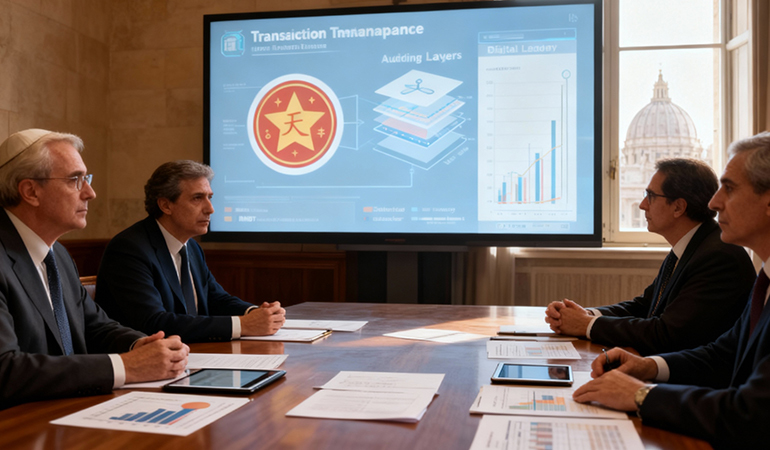
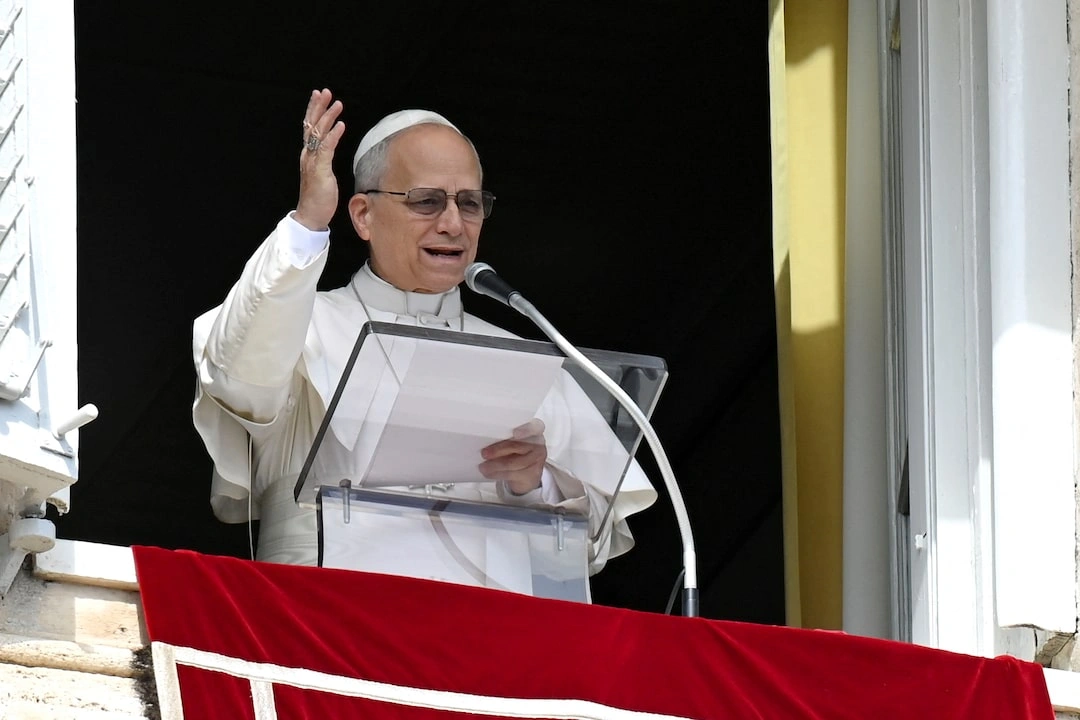
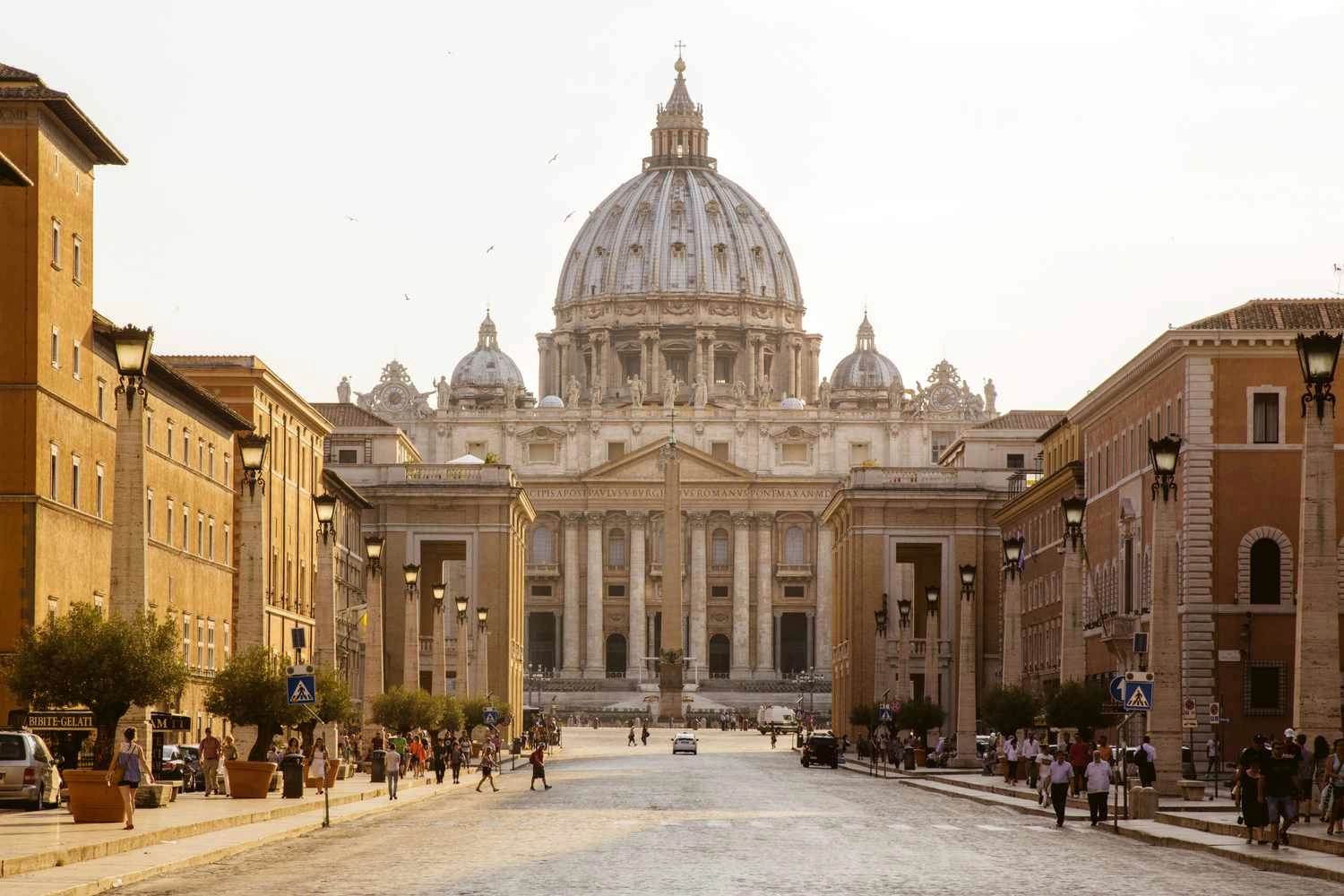
From 28 to 30 November, Castel Gandolfo will host a global gathering titled Restarting the Economy, organized by The Economy of Francesco. The event will bring together economists, theologians, and social leaders to explore how principles of justice, solidarity, and sustainability can redefine modern economic systems. Central to the discussions will be the idea of debt forgiveness not as charity, but as an act of justice and renewal.
Debt has shaped civilizations throughout history, serving as both a financial mechanism and a social burden. In the ancient world, leaders understood that the unchecked accumulation of debt could destabilize entire societies. The Hebrew tradition of the Jubilee year, held every fifty years, mandated the cancellation of debts, the liberation of slaves, and the restoration of land. Similarly, ancient Mesopotamian rulers proclaimed periodic debt amnesties, recognizing that economic resets were essential for stability and human dignity.
Today’s global financial systems, built on complex lending structures and speculative markets, often replicate the same inequalities those early societies sought to avoid. Modern bankruptcy laws and international relief programs offer temporary relief, but they seldom address the deeper injustices embedded in the global economy. Debt, in many cases, continues to entrench inequality, trapping individuals and nations in cycles of dependency.
A reimagined approach to debt forgiveness calls for a profound moral awakening. It challenges the assumption that indebtedness is a personal failure and reframes it as a symptom of structural imbalance, a result of predatory lending, uneven trade relations, and systemic discrimination. Debt forgiveness should not be seen as rewarding irresponsibility, but as restoring balance and opportunity. It is, at its core, an acknowledgment that collective well-being requires liberation from financial chains that stifle growth and human potential.
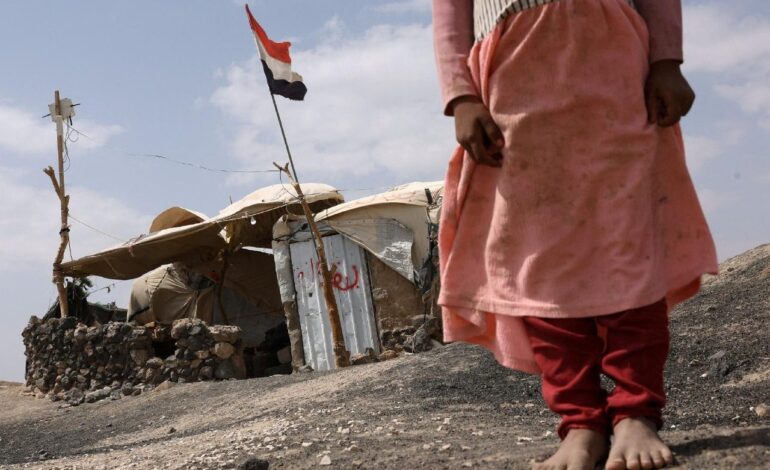
Beyond financial debt, the concept extends to what many call the world’s “ecological debt.” Wealthy nations, having built prosperity on the extraction of natural resources, now owe a moral and environmental debt to the Global South regions disproportionately affected by climate change and environmental degradation. True justice requires recognizing and addressing this imbalance through concrete reparations and equitable climate action.
This is not a call for idealism, but for a practical and moral rethinking of how economies function. A system driven solely by profit and accumulation is unsustainable. The alternative is an economy rooted in compassion, accountability, and care for both people and the planet. Reforming unfair lending practices, revising international trade agreements, and ensuring access to credit for all are key steps toward this transformation.
Restarting the economy, therefore, is not about restarting the same cycle of debt and inequality. It is about beginning a new era, building systems that prioritize dignity over debt, cooperation over competition, and justice over exploitation.
The upcoming gathering in Castel Gandolfo aims to be more than a theoretical discussion. It will serve as a global laboratory for moral and economic reflection, bridging faith and finance in search of solutions that honor both human and ecological life. As participants prepare to reflect on the meaning of the Jubilee, one truth stands out clearly: the real measure of wealth is not in accumulation, but in restoration.