Vatican’s Climate Advocacy and Moral Call for Stewardship
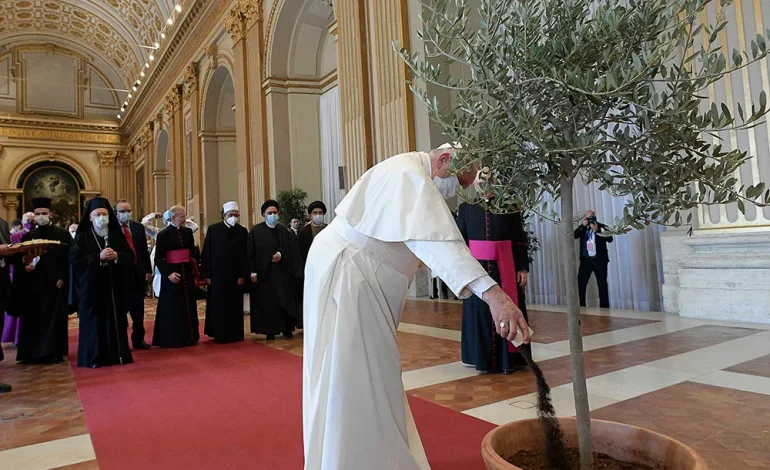

As the global climate crisis accelerates, the Vatican has emerged as a consistent moral voice calling for responsibility, restraint, and renewal. The Church does not approach environmental issues as scientific or political debates alone but as ethical imperatives that concern the dignity and survival of all humanity. Vatican climate advocacy stems from a belief that creation is sacred, and caring for it is a duty shared by every person and nation.
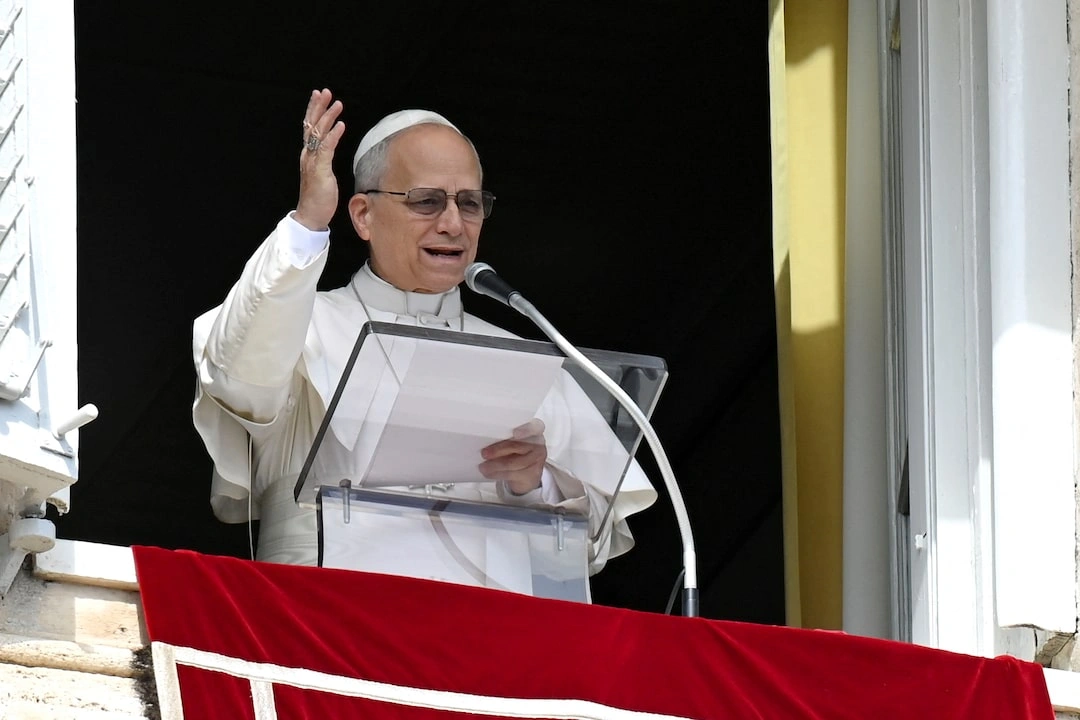
Pope Leo XIV has continued the strong environmental legacy of his predecessors, reaffirming the Vatican’s commitment to global cooperation for ecological justice. He has repeatedly stated that environmental degradation and inequality are intertwined, insisting that the protection of creation must go hand in hand with social reform. This message, rooted in Catholic social teaching, positions the Church as both an advocate for the planet and a guardian of the poor who suffer most from ecological harm.
The Vatican’s environmental diplomacy has reached global stages such as the United Nations Climate Change Conferences, where it urges nations to move beyond symbolic pledges and adopt genuine policies that place the common good above narrow interests. The Church’s mission, in this sense, is not only theological but practical, urging world leaders to align policy with morality and economic growth with sustainability.
Faith and Science in Dialogue
The Vatican’s approach to climate advocacy is not an opposition to science but a partnership with it. The Church emphasizes that faith and reason complement one another, each contributing to the search for truth and solutions. Through institutions like the Pontifical Academy of Sciences, Catholic researchers, theologians, and environmental experts collaborate to understand and address the causes of global warming, biodiversity loss, and pollution.
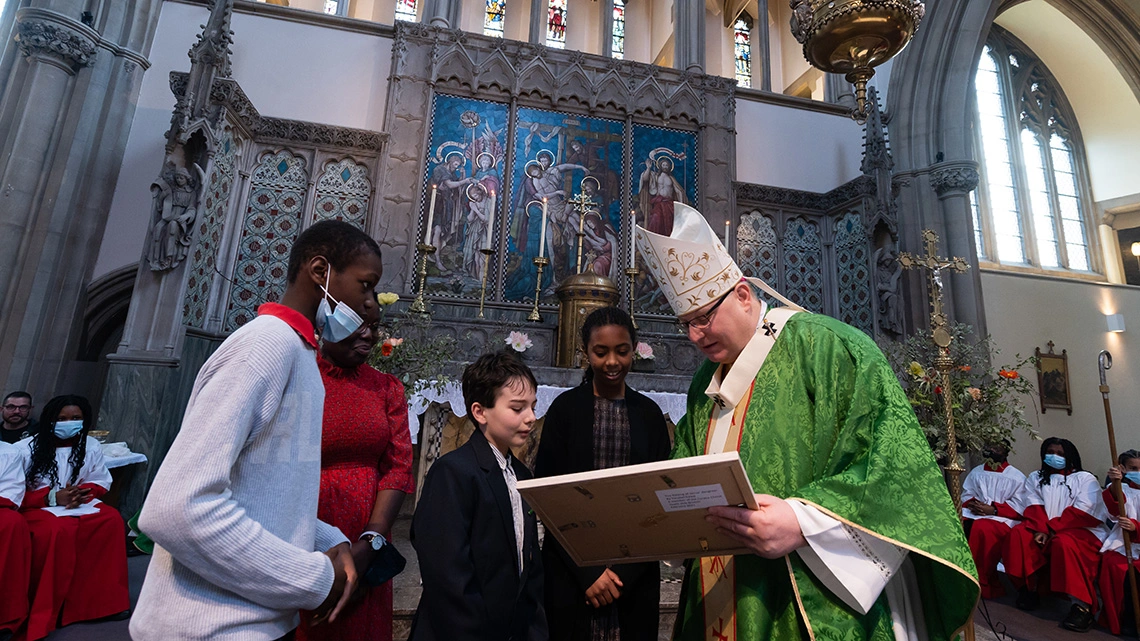
Pope Leo XIV has encouraged parishes, dioceses, and Catholic universities to promote ecological education rooted in both scientific understanding and spiritual awareness. This initiative has given rise to community-based projects focused on renewable energy, sustainable agriculture, and conservation. These programs embody what the Vatican calls “integral ecology,” an idea that connects environmental responsibility with human development and moral renewal.
The Church also recognizes that ecological awareness begins with personal conversion. The Pope often reminds the faithful that caring for creation is not limited to grand gestures but includes daily acts of moderation, gratitude, and care. This perspective transforms climate action from a political issue into a spiritual practice, reinforcing the idea that the health of the planet reflects the health of human souls.
Global Action and Moral Leadership
On the international stage, the Vatican continues to build partnerships with secular and religious institutions alike, emphasizing that the climate crisis transcends all borders. The Holy See’s diplomatic efforts advocate for policies that reduce carbon emissions, promote sustainable finance, and support developing nations facing climate-related disasters.
In particular, the Vatican urges wealthy countries to honor their commitments to climate financing and technology transfers. Pope Leo XIV has described environmental justice as a form of global solidarity, in which those with greater means bear greater responsibility. This ethical framework calls for humility, compassion, and a shared recognition that humanity’s fate is collective.
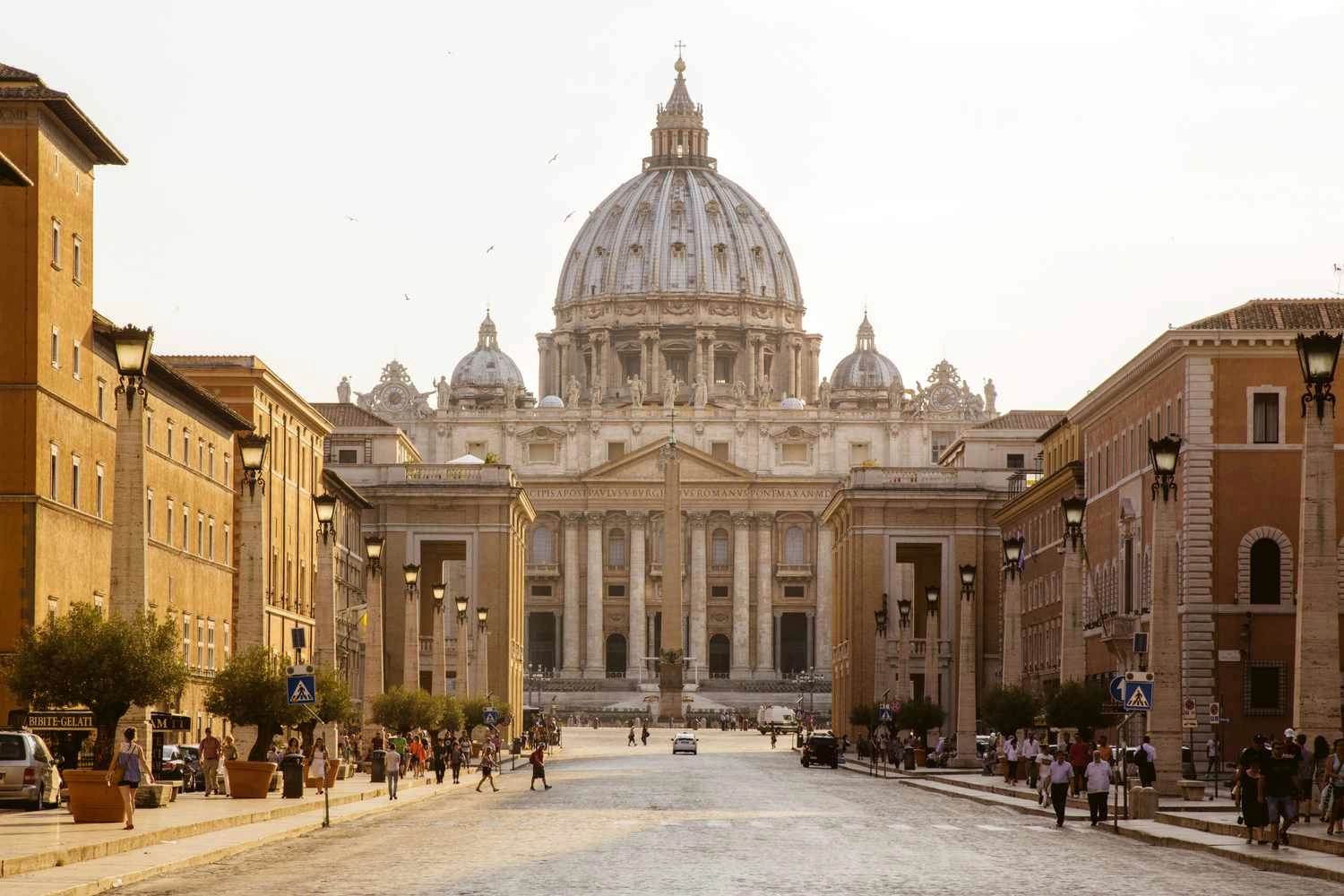
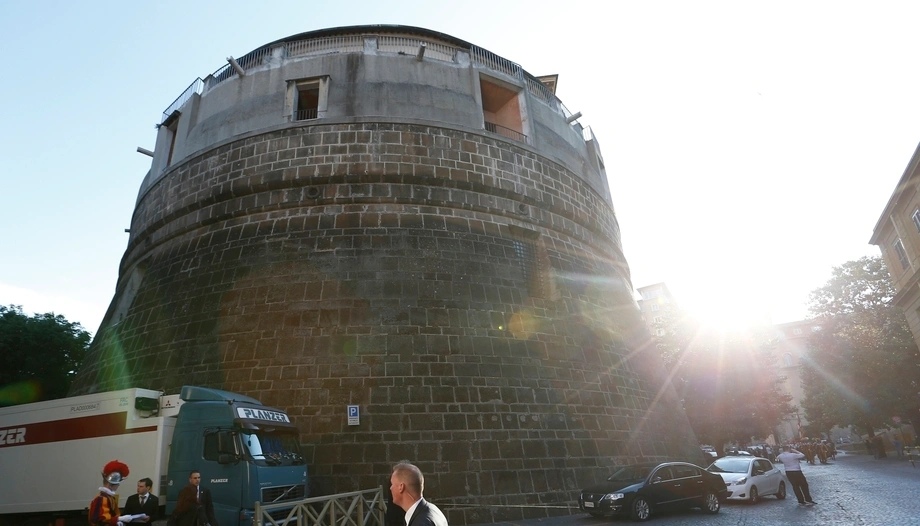
The Church’s climate advocacy also extends to its own governance. Vatican City has implemented policies to reduce energy consumption, increase green spaces, and transition toward renewable power sources. These internal reforms symbolize the Church’s intention to lead by example. It shows that faith-based institutions can practice what they preach, integrating sustainability into administration and worship alike.
Furthermore, Catholic organizations worldwide have adopted “green parish” initiatives that encourage local communities to conserve resources and support ecological restoration. From solar-powered chapels in Africa to recycling programs in Europe, the Church’s environmental mission now manifests in practical, measurable outcomes that inspire believers and policymakers alike.
A Call for Ecological Conversion
The Vatican’s climate message resonates not through political rhetoric but through its moral clarity. The Church frames ecological care as an act of love for God’s creation, for future generations, and for the poor. This perspective elevates the environmental movement beyond policy and economics, grounding it in the language of conscience and compassion.
Pope Leo XIV often reminds the faithful that time is short and that the world must act before irreversible damage is done. His words echo a growing urgency across nations, scientists, and faith communities alike. The Church believes that ecological conversion begins in the heart and must extend outward to guide economies, technologies, and institutions.
Through its climate advocacy, the Vatican offers not only critique but hope that humanity can rediscover balance with nature and rebuild societies that value sustainability over exploitation. The Church’s voice remains firm and compassionate, calling the world to recognize that caring for the Earth is caring for life itself.