




Ethics in Digital Surveillance and Privacy
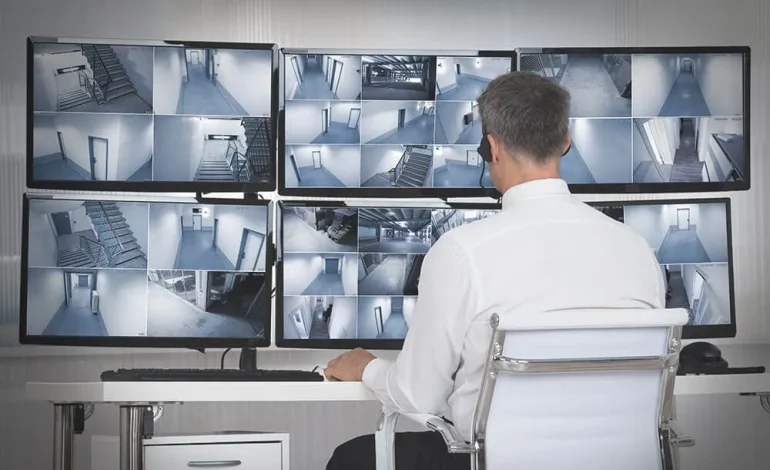

Surveillance is one of the defining realities of the digital age. Cameras on streets, sensors in devices, and algorithms in phones constantly collect data about movement, communication, and habits. For many, this creates a feeling of security. For others, it evokes a deep sense of unease. The Church views this issue not as a technical debate about convenience or efficiency but as a profound moral question that touches human dignity, freedom, and trust.
Every person carries a right to privacy, grounded in the belief that human beings are made in the image of God and therefore deserve respect for their inner life and autonomy. Privacy protects the space where conscience forms, relationships grow, and creativity unfolds. When this space is invaded, something essential to human integrity is lost.
The Search for Balance
Societies face a difficult tension between safety and freedom. Governments use surveillance tools to prevent crime, terrorism, and public disorder. Companies gather data to improve services or predict consumer behavior. Yet both can easily overstep, creating systems that monitor individuals far beyond necessity. The Church teaches that the pursuit of security must never come at the expense of human dignity.
True ethical balance requires transparency and accountability. Citizens should know when and why their data is collected, who has access to it, and how it will be stored or deleted. The absence of such safeguards leads to mistrust and inequality. Surveillance, when used without clear moral limits, can become an instrument of control that erodes the very trust it seeks to preserve.
The Church’s Ethical Framework
Catholic social teaching emphasizes three key principles in addressing privacy and surveillance: the common good, subsidiarity, and solidarity. The common good reminds society that technology should serve human flourishing, not corporate or political power. Subsidiarity calls for decision making at the lowest appropriate level, ensuring that local communities have a say in how surveillance affects them. Solidarity insists that policies respect the vulnerable, including those without the resources to defend their privacy.
Pope Leo XIV has highlighted that technology must remain human centered. He warns that data collection driven only by profit or political advantage risks creating a culture of exposure without empathy. Surveillance that strips away anonymity can also strip away compassion, as people become data points rather than persons.
Technology and Conscience
Modern technology often works invisibly. Many users agree to data sharing without reading terms of service or understanding how their information will be used. This passivity, while convenient, weakens moral awareness. The Church encourages a renewed formation of conscience in the digital age, urging believers to make deliberate and informed choices about the platforms they use.
Digital literacy, therefore, is not only a civic skill but a moral responsibility. Schools, parishes, and institutions are called to teach people how to navigate digital life with discernment. The goal is not to reject technology but to approach it wisely, asking whether each innovation strengthens or weakens the bonds of trust that hold communities together.
The Role of Institutions and Law
Ethical surveillance requires clear rules, public oversight, and meaningful consent. Faith based organizations can play a vital role in shaping these discussions by contributing a moral vocabulary that prioritizes the human person. The Vatican and many Catholic scholars have called for international cooperation on digital governance frameworks that set universal standards for privacy protection.
This approach sees data as part of the human person’s extended identity. Just as no one should be forced to reveal private thoughts or confessions, no one should be coerced into surrendering their digital footprint without consent. The right to privacy, while not absolute, must always be balanced with justice and respect for the individual’s inherent worth.
Toward a Culture of Ethical Technology
To build a humane digital world, ethical reflection must guide design from the start. Engineers, policymakers, and educators share responsibility for ensuring that technology empowers rather than diminishes people. The Church proposes an ethic of encounter, where technology becomes a tool for connection and understanding rather than manipulation.
Communities can begin locally. Schools can set standards for responsible data collection. Parishes can protect parishioner records through encryption and limited access. Catholic media can model transparency by explaining how information is used. These steps cultivate a culture of trust that resists the lure of total surveillance.
Ultimately, the Church’s message is simple but demanding. Every act of observation carries a moral weight. Every piece of data represents a human story. The challenge is to ensure that those stories are never exploited or silenced by systems that forget their origin in human life.
A Call to Responsibility
Ethical surveillance is not only about limiting technology. It is about shaping it toward the service of truth, justice, and compassion. The Church reminds all societies that privacy is not secrecy but sacredness. Protecting it is a sign of respect for the divine image in every person.
In an age where information is power, the moral test of our generation will be how that power is used. When technology serves people rather than reduces them, the digital world becomes not a prison of data but a network of genuine relationship and freedom.