


Pope Francis Calls for a New Ethical Framework in Digital Finance
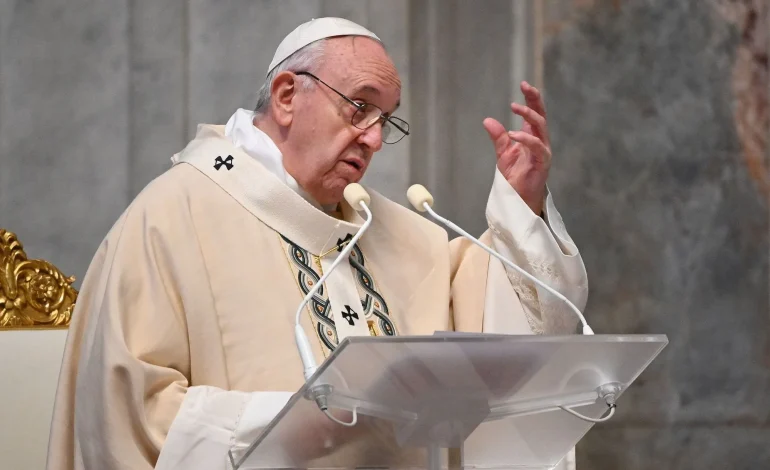

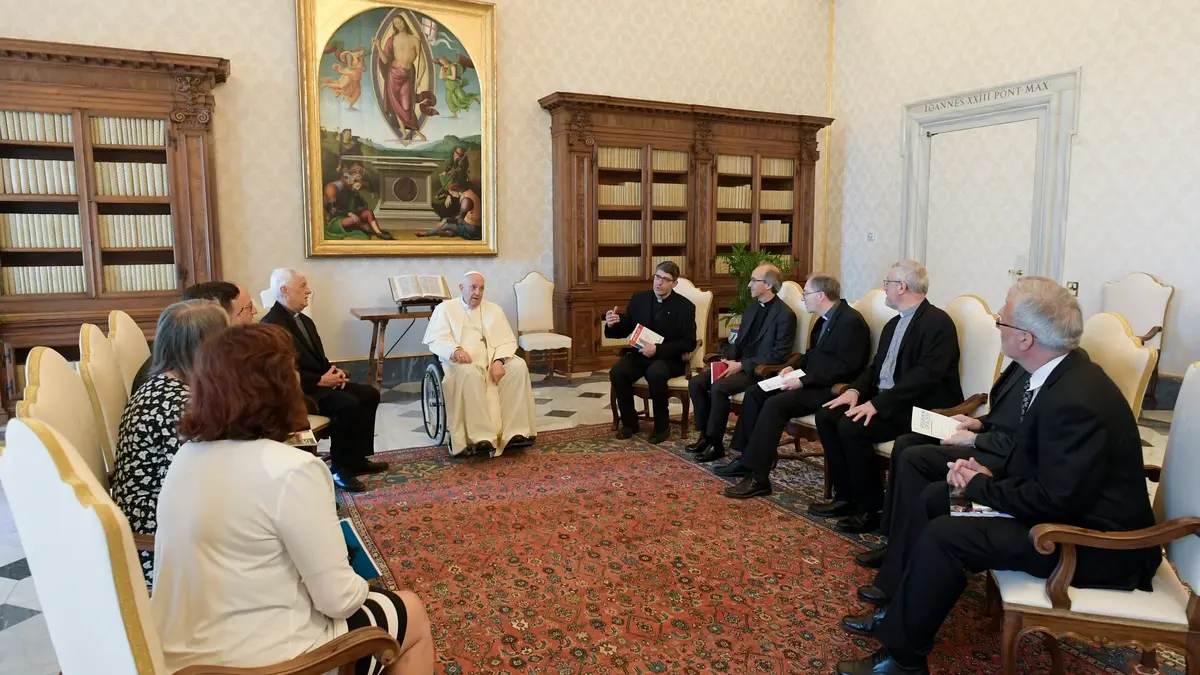
As financial systems evolve under rapid technological transformation, the Vatican is taking a proactive stance in defining moral guidance for the digital economy. Pope Francis has repeatedly emphasized that ethics must not be left behind in the race for innovation. His latest address at a Vatican symposium on “Faith and Finance in the Digital Age” underscored the need for a new ethical framework that integrates human dignity, transparency, and moral accountability into digital financial architecture.
Ethics in the Era of Digital Finance
Digital finance now extends beyond traditional banking, encompassing cryptocurrencies, algorithmic trading, and blockchain-based assets. These developments have reshaped the meaning of value and trust. The Pope’s message was clear financial innovation must serve humanity, not enslave it. The Vatican’s concern is not technological progress itself but the absence of moral responsibility in its governance. This view aligns with Catholic social teaching on stewardship, justice, and the common good.
The Holy See’s Secretariat for the Economy has already begun consultations with international financial bodies to draft principles for ethical fintech governance. The framework aims to ensure that the efficiency of digital transactions does not come at the cost of exploitation, privacy violations, or widening inequality.
Moral Accountability in Algorithms
A major concern raised by Vatican researchers involves the growing reliance on artificial intelligence in financial decision-making. Algorithms that determine credit scores, trading patterns, or lending decisions often operate without moral oversight. According to Vatican analysts, this opacity risks embedding systemic bias and ethical blind spots within the global financial order.
The proposed framework advocates for “algorithmic transparency,” a concept requiring developers and financial institutions to disclose how automated decisions are made. By promoting transparency, the Vatican hopes to restore moral agency to economic processes increasingly governed by code rather than conscience.
Faith as a Guide for Economic Design
Pope Francis’s call for reform echoes long-standing Catholic traditions that treat finance as a tool for social welfare rather than speculation. The Vatican’s academic branches, including the Pontifical Academy of Social Sciences, are revisiting classic encyclicals such as Caritas in Veritate and Laudato Si’ to reinterpret their messages for a digital context. Their studies suggest that blockchain and tokenized finance can indeed advance social justice if implemented with integrity and inclusiveness.
The Church views ethical finance as part of a broader moral economy that values people over profit. The Vatican has encouraged dialogue with institutions developing ethical stablecoins and faith-based investment platforms that integrate sustainability and transparency as core principles.
Global Policy Alignment
Beyond theology, the Vatican’s intervention is gaining traction in global forums. Recent meetings between Vatican officials and G20 finance representatives have discussed digital currency governance, anti-fraud systems, and equitable access to digital banking. The Church’s moral influence could help shape international guidelines similar to those of the Paris Climate Accord, but focused on ethical financial conduct.
Through its diplomatic channels, the Vatican aims to bridge discussions between secular financial regulators and religious institutions that promote moral economics. This collaboration seeks to prevent a digital divide where technology benefits only the wealthy or technologically advanced nations.
Education and Ethical Literacy
Recognizing that ethical reform requires cultural change, the Vatican is also investing in education. New initiatives at Catholic universities worldwide will offer interdisciplinary programs linking theology, economics, and computer science. The aim is to prepare a generation of leaders capable of embedding moral awareness in financial design and policy-making.
These efforts align with Pope Francis’s broader vision of a “global educational compact,” one that unites moral formation with technical excellence. Ethical literacy, he argues, must be as essential to a developer or policymaker as programming or market analysis.
Conclusion
Pope Francis’s appeal for a new ethical framework in digital finance is more than a moral critique. It is a strategic vision to safeguard human dignity amid technological disruption. As the Church steps into the global debate on digital finance, it offers not regulation by doctrine but guidance rooted in centuries of moral philosophy and social ethics. The Vatican’s voice adds a necessary human dimension to a world where algorithms increasingly dictate economic destiny.