Church Diplomacy and Interfaith Partnerships in the 21st Century
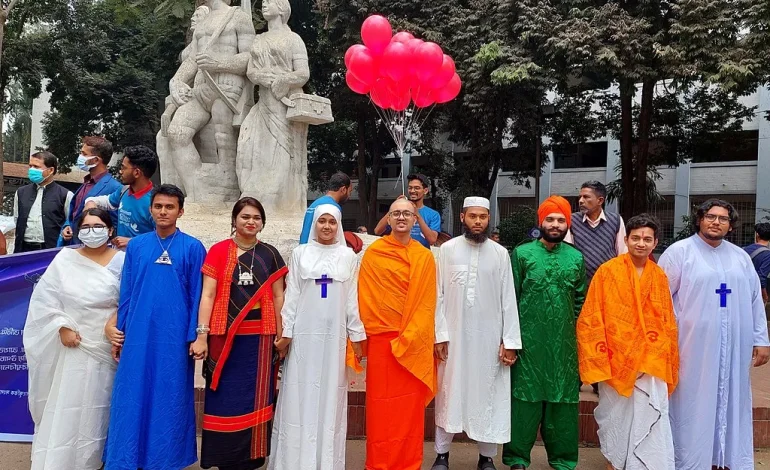

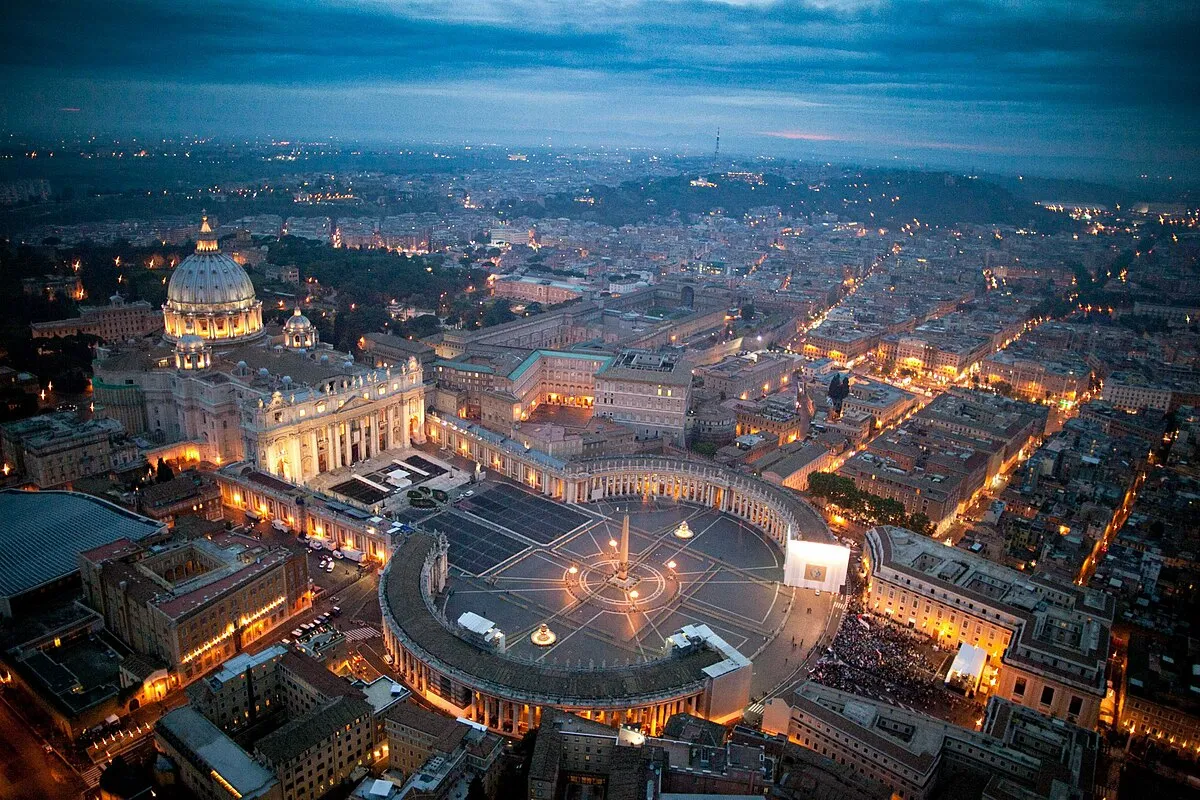
The Vatican has positioned interfaith diplomacy as one of its central missions in navigating global peace and cooperation. The Holy See views dialogue among religions as essential to addressing moral, social, and political conflicts. By promoting shared values such as compassion, justice, and respect for human life, the Church encourages collaboration between faith communities that influence the spiritual and ethical lives of billions. Vatican officials emphasize that religious diplomacy must serve as a bridge between divided societies rather than as an instrument of ideological competition.
Pope Francis and the Human Fraternity Vision
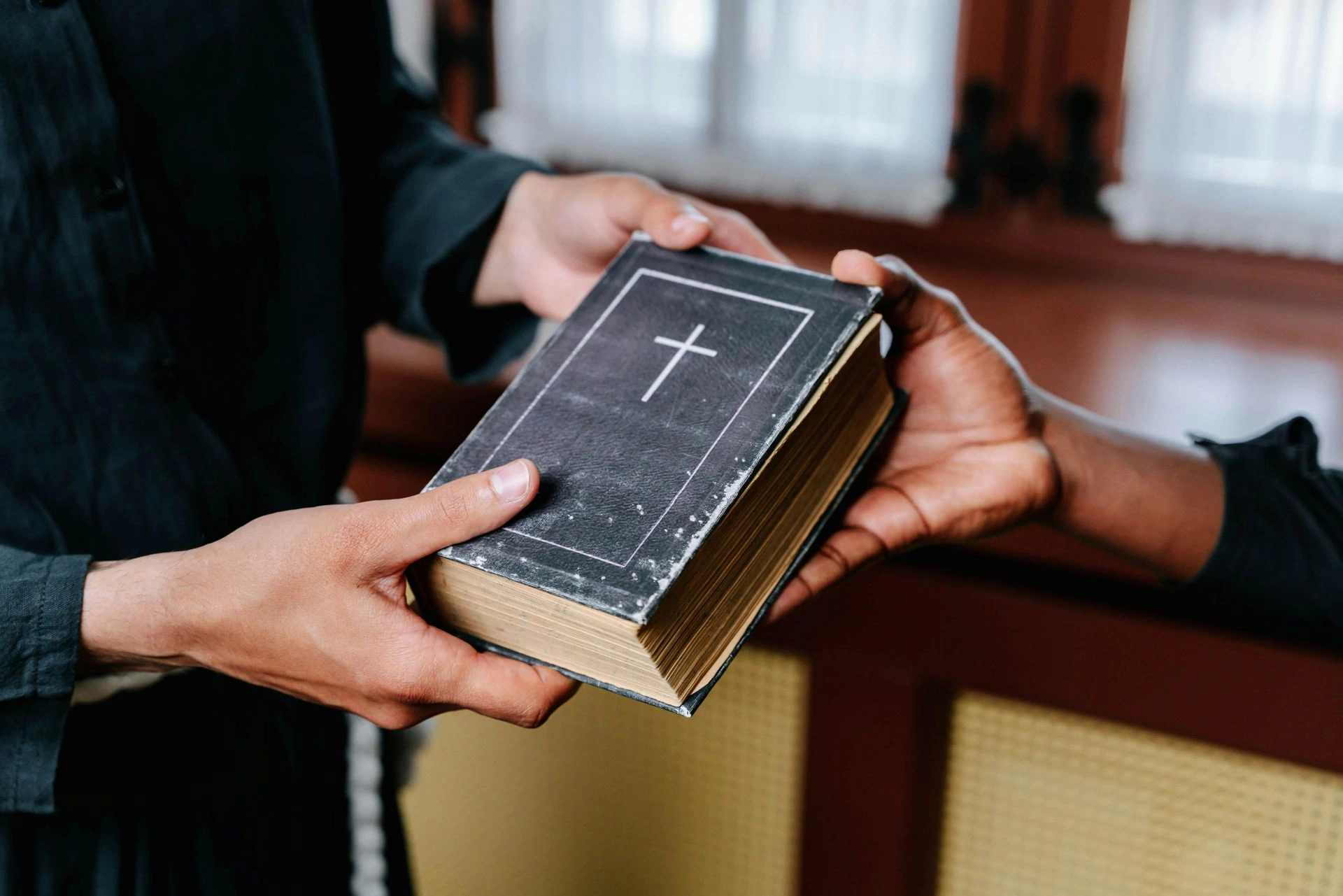
Pope Francis has become a leading global voice for interreligious unity. His vision of “human fraternity” is rooted in mutual understanding, humility, and shared responsibility for peace. The signing of the Document on Human Fraternity with the Grand Imam of Al-Azhar in Abu Dhabi marked a major milestone in the Vatican’s contemporary diplomatic approach. This declaration promotes coexistence and condemns extremism in all forms. The Vatican’s partnerships with Muslim scholars, Jewish rabbis, Hindu monks, and Buddhist leaders demonstrate how dialogue can replace division with constructive cooperation.
Institutional Framework for Interreligious Dialogue
The Pontifical Council for Interreligious Dialogue, now integrated into the Dicastery for Interreligious Relations, coordinates the Vatican’s global outreach to other faiths. It maintains working relationships with international organizations such as the World Council of Churches and UNESCO. These collaborations address shared concerns like education, environmental protection, and humanitarian crises. The institutional framework ensures that interfaith dialogue is not confined to symbolic gestures but contributes directly to real-world problem-solving.
Faith and Global Peacebuilding
The Vatican’s diplomatic engagements often focus on regions experiencing religious or ethnic tensions. Church envoys promote dialogue in areas where historical divisions continue to shape political instability. Initiatives in the Middle East, South Asia, and Africa show how faith-based diplomacy can open channels for humanitarian cooperation. Vatican representatives emphasize forgiveness and reconciliation as tools for rebuilding communities fractured by conflict. These initiatives highlight the Church’s capacity to transform moral influence into tangible peacebuilding outcomes.
Educational and Cultural Bridges
Interfaith partnerships extend into education and cultural exchange. Catholic universities have launched joint academic programs with Islamic and Jewish institutions to promote comparative theology and intercultural understanding. The Vatican Museums also organize exhibitions featuring sacred art from multiple faith traditions to foster appreciation of shared human creativity. These efforts aim to replace prejudice with empathy by revealing the universal values embedded in every culture. Cultural diplomacy thus becomes a powerful instrument for nurturing global solidarity.
Role of the Vatican in Multilateral Forums
The Vatican actively participates in multilateral organizations to advance interfaith dialogue as part of global governance. At the United Nations, Holy See representatives advocate for policies that protect religious freedom and promote tolerance. The Vatican collaborates with the World Bank and international NGOs to integrate ethical and spiritual dimensions into development policy. Through these partnerships, the Church contributes moral perspectives that reinforce cooperation across religious and political divides.
Women and Youth in Interfaith Engagement
A growing focus of Vatican diplomacy involves empowering women and youth within interfaith dialogue. Initiatives supported by the Dicastery for Laity, Family and Life encourage young people to become peace ambassadors within their communities. Women leaders from various faith backgrounds participate in Vatican-sponsored summits that address issues like social justice, family welfare, and ecological responsibility. The inclusion of diverse voices strengthens the legitimacy and reach of interreligious cooperation, ensuring that dialogue is inclusive and future-oriented.
Faith and Technology in Global Discourse
The digital era has expanded the Vatican’s interfaith outreach to online spaces. Digital dialogue platforms and social media campaigns allow religious leaders to communicate across borders instantly. The Holy See uses these technologies to promote messages of tolerance and mutual respect. Conferences organized by the Pontifical Academy of Social Sciences explore how digital ethics and human-centered technology can unite rather than divide societies. Faith-based engagement with technology is now considered vital to maintaining moral integrity in a connected world.
Humanitarian Alliances and Shared Action
Interfaith collaboration often extends into humanitarian work. The Vatican’s agencies, including Caritas Internationalis, coordinate with Islamic Relief and Jewish humanitarian networks to provide aid in disaster-affected regions. These partnerships prioritize service to humanity over doctrinal differences. By addressing hunger, displacement, and poverty together, faith communities demonstrate that compassion transcends theological boundaries. Joint humanitarian missions reinforce the Vatican’s principle that moral action is the truest expression of faith.
Ethical Dialogue as Global Policy Influence
The Vatican’s interfaith diplomacy exerts growing influence on international policy debates. Ethical considerations introduced by Church representatives have shaped discussions on migration, ecological stewardship, and the regulation of artificial intelligence. Governments increasingly recognize that sustainable solutions require moral and cultural dialogue in addition to political negotiation. The Vatican’s contribution to these discussions highlights the enduring relevance of moral leadership in the global order.