
Vatican Aligns with UN Climate Goals Through Faith-Based Policy
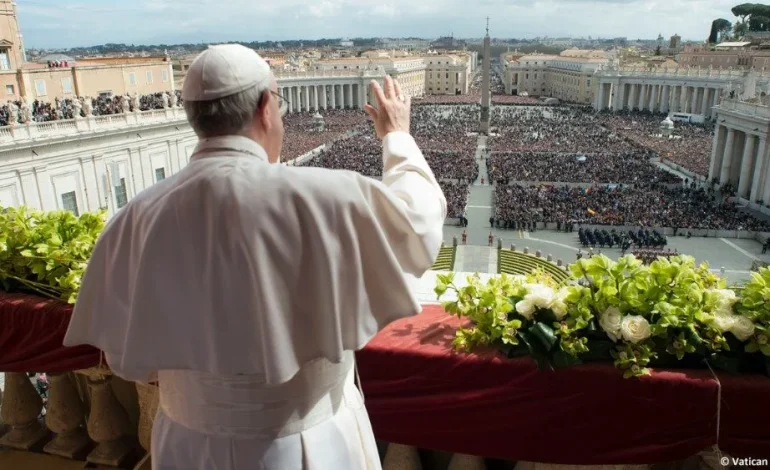

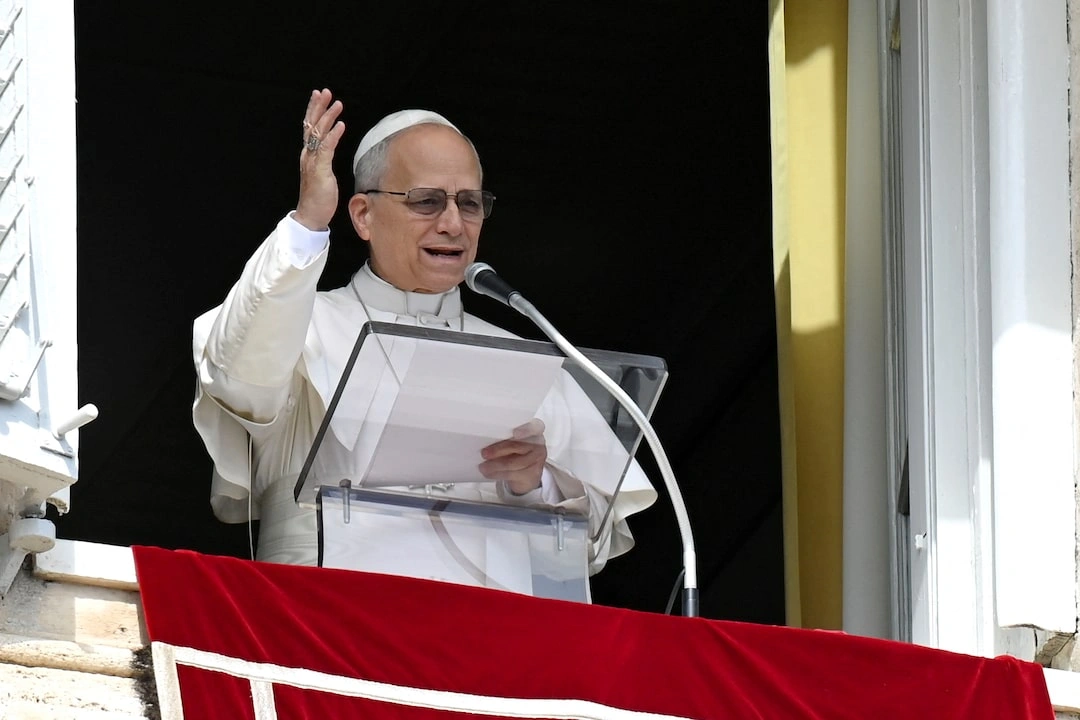
The Vatican has aligned its environmental strategy with the United Nations Sustainable Development Goals by advancing a faith-based approach to ecological responsibility. The Holy See considers environmental protection not only a policy issue but a moral obligation rooted in Catholic teaching. Pope Francis continues to emphasize that caring for creation is central to the Church’s mission of promoting human dignity and justice. The integration of faith principles into climate governance reflects a growing recognition that ecological action requires both scientific understanding and spiritual renewal.
Implementation of Laudato Si’ Principles
The encyclical Laudato Si’ remains the foundation of the Vatican’s environmental policy. It calls for ecological conversion through lifestyle change, ethical governance, and economic reform. Following the encyclical, Vatican departments and Catholic institutions worldwide have adopted sustainability programs aligned with UN goals such as affordable clean energy, responsible consumption, and climate action. The Dicastery for Promoting Integral Human Development oversees these initiatives, ensuring that Catholic organizations reduce their carbon footprint and prioritize ecological justice.
Renewable Energy and Carbon Reduction Efforts
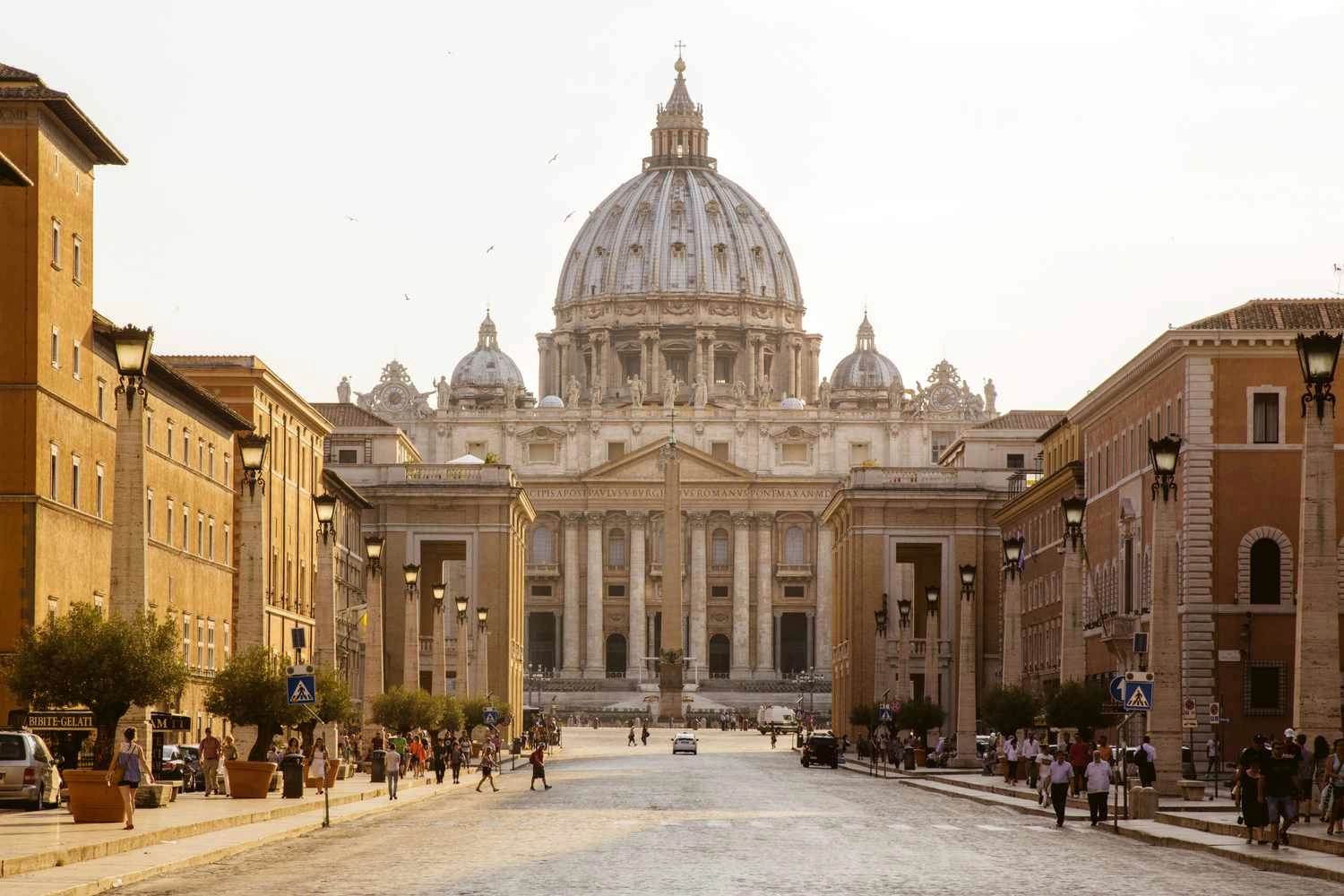
The Vatican City State has implemented renewable energy projects to reduce dependency on fossil fuels. Solar panels now power several administrative buildings, while plans are underway for energy-efficient infrastructure within the Apostolic Palace and Vatican Museums. The Directorate for Infrastructure and Services monitors resource use and promotes green procurement policies. These steps are part of a broader effort to achieve carbon neutrality by 2050, in line with the commitments made by the United Nations Framework Convention on Climate Change.
Faith-Based Advocacy at Global Summits
Vatican representatives regularly participate in global climate negotiations to promote the moral dimensions of environmental policy. During recent COP meetings, the Holy See delegation urged world leaders to integrate ethical principles into climate finance, resource distribution, and adaptation strategies. The Vatican’s advocacy focuses on protecting vulnerable populations disproportionately affected by climate change. By bringing a moral voice to technical discussions, the Church reinforces the idea that environmental policy must serve humanity’s collective well-being rather than narrow economic interests.
Education and Environmental Awareness
Catholic universities and schools around the world have launched programs to teach ecological ethics inspired by Laudato Si’. Students are encouraged to combine scientific research with moral reflection to address climate challenges. The Vatican supports these educational initiatives through partnerships with the United Nations Educational, Scientific and Cultural Organization and the Global Catholic Climate Movement. Educational reforms aim to develop a generation of leaders who treat sustainability as an extension of faith and human solidarity.
Partnerships with International Organizations
The Vatican’s collaboration with the UN extends to agencies such as the United Nations Environment Programme and the Food and Agriculture Organization. Joint projects address food security, deforestation, and water conservation. Through these partnerships, the Vatican demonstrates that religious and secular institutions can work together toward shared goals. Faith-based diplomacy enhances the credibility of global sustainability frameworks by grounding them in ethical principles and community-based action.
Moral Economy and Sustainable Development
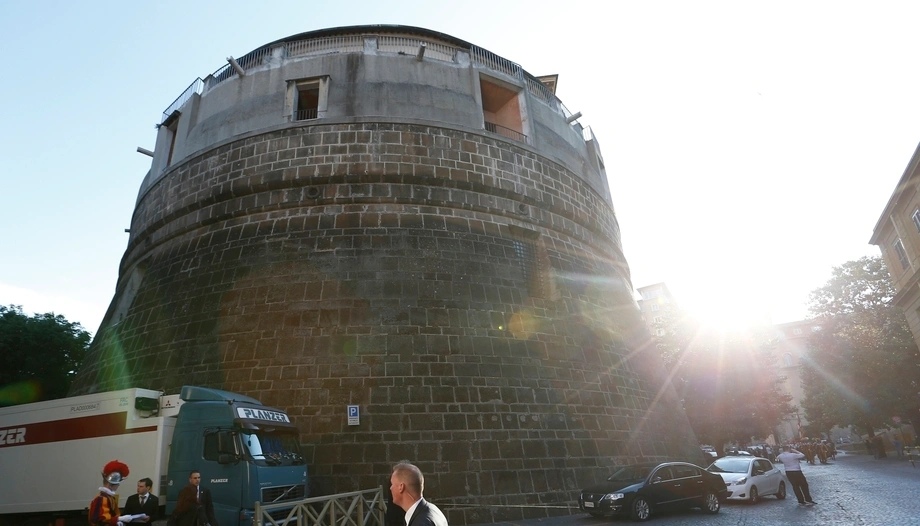
Vatican economists and theologians advocate for a moral economy that balances growth with environmental stewardship. The Holy See encourages financial institutions to adopt responsible investment standards that support renewable energy, sustainable agriculture, and circular economic models. The Vatican Bank has introduced ethical investment guidelines that exclude industries harmful to the environment. By aligning finance with moral purpose, the Church seeks to demonstrate that economic prosperity and ecological care are mutually reinforcing.
Ecological Pastoral Care
Bishops’ conferences worldwide have begun integrating ecological awareness into pastoral care. Parishes organize environmental education workshops and community clean-up campaigns to promote local action. Liturgical celebrations now include prayers for creation, and Church-run media platforms highlight climate justice stories from around the world. These initiatives bring environmental consciousness into the daily spiritual life of Catholics, transforming faith into practical stewardship.
Youth Engagement and Global Movements
The Vatican recognizes the essential role of youth in achieving climate goals. Initiatives like the Economy of Francesco and the Laudato Si’ Action Platform invite young leaders to design sustainable solutions for their communities. These programs emphasize cooperation across cultures and religions, uniting youth activism with moral responsibility. Through conferences and digital forums, the Vatican fosters dialogue that empowers young people to act as ambassadors for ecological renewal.
Ecological Justice and the Global South
Vatican policy highlights the injustice of environmental degradation that disproportionately affects developing nations. The Holy See supports fair climate financing and debt relief for countries struggling with ecological disasters. By framing climate change as a matter of human rights, the Church appeals to world leaders to adopt policies that prioritize solidarity over exploitation. This approach positions faith-based advocacy as a vital force for equality in the global environmental agenda.
Integration of Faith, Science, and Policy
The Vatican’s climate strategy bridges the gap between theology and science. Conferences organized by the Pontifical Academy of Sciences bring together scientists, policymakers, and theologians to discuss the moral implications of climate research. The shared conclusion is that technical solutions alone cannot resolve the ecological crisis without an accompanying ethical transformation. The Vatican’s commitment to science-informed faith ensures that its environmental diplomacy remains both credible and compassionate.