


Church-State Relations in a Digital Governance Era


The relationship between Church and State continues to evolve as governments adopt digital systems for administration, finance, and civic engagement. The Vatican recognizes that digital governance presents both opportunities and challenges for ethical leadership. While technology enhances efficiency and transparency, it also raises moral questions about privacy, justice, and the balance of power. Faith-based institutions advocate for digital governance models that protect human dignity and ensure that innovation serves the common good rather than political or economic dominance.
Ethical Implications of Digital Authority
As artificial intelligence and data analytics shape policy decisions, the moral implications of digital authority come to the forefront. Church scholars warn that algorithms governing public life must reflect ethical reasoning rather than profit-driven logic. The Vatican encourages policymakers to integrate moral reflection into technological development, emphasizing that human values cannot be automated. Faith perspectives call for digital governance that upholds fairness, equality, and compassion in administrative and judicial systems.
Papal Engagement with Digital Policy
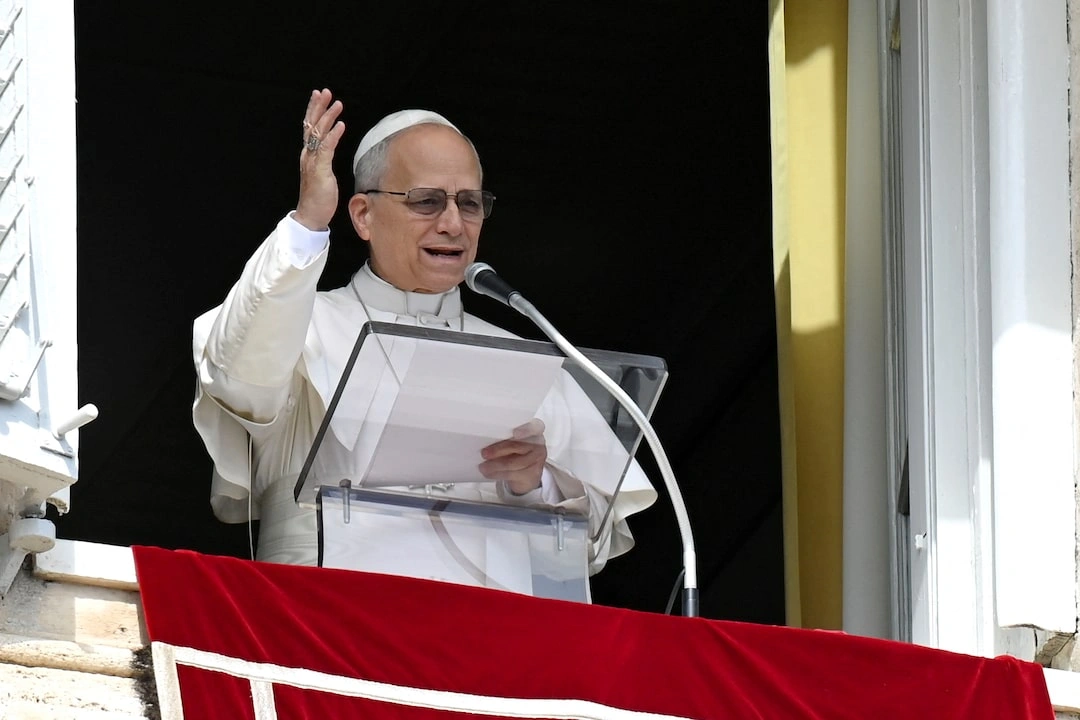
Pope Francis has addressed the ethical dimension of technology in several speeches and official documents. His appeals to global leaders emphasize the need for digital systems guided by moral responsibility. The Church supports regulations that ensure technology is inclusive, transparent, and accountable. Vatican initiatives such as the Rome Call for AI Ethics highlight the importance of placing human welfare above algorithmic control. The Pope’s stance positions the Church as a moral partner in shaping global digital ethics.
Data, Privacy, and Human Dignity
The digitalization of governance involves collecting and processing vast amounts of personal data. Faith-based ethics regard this as a serious moral issue because human dignity includes the right to privacy and freedom from exploitation. The Vatican’s statements on digital ethics call for strict data protection and equitable access to information. Church leaders argue that digital governance must never reduce people to data points but must respect their inherent worth as individuals created in the image of God.
Digital Inclusion and Social Equity
Digital governance should extend access to all citizens, not deepen existing inequalities. The Church advocates for inclusive technology policies that empower marginalized communities. Faith-based organizations engage with governments to ensure that digital transformation benefits education, healthcare, and social welfare. Programs supported by Catholic institutions emphasize that connectivity must serve justice and participation, bridging rather than widening the digital divide.
Church Collaboration with Public Institutions
The Vatican maintains dialogue with international agencies and national governments on digital governance ethics. Through the Pontifical Academy of Social Sciences, the Church contributes moral frameworks to discussions on cybersecurity, artificial intelligence, and e-governance. Collaborations with universities and policy think tanks allow faith-based research to inform legislation. The Church’s diplomatic presence at global summits ensures that technology policy reflects human values and ethical oversight.
Cybersecurity and the Ethics of Protection
Digital governance depends on the secure handling of data and infrastructure. The Church approaches cybersecurity from both technical and moral perspectives. It calls for systems that safeguard information while upholding transparency and justice. The Vatican’s own institutions have implemented advanced security protocols for protecting sensitive data within charitable and administrative platforms. This ethical approach demonstrates that security must serve humanity and trust rather than secrecy and control.
Faith and Artificial Intelligence in Governance
Artificial intelligence increasingly influences decision-making in law enforcement, taxation, and public administration. The Church promotes an ethical framework that ensures these systems enhance human welfare. Vatican experts argue that AI should function as an instrument of service, not as a replacement for human judgment. Faith-based advocacy stresses that governance must remain accountable to moral conscience, preventing dehumanization in the name of efficiency.
Diplomacy in the Digital Age
The Holy See uses digital diplomacy to strengthen engagement with governments and global organizations. Through official platforms and online communication, Vatican representatives advocate for moral clarity in technology policy. This approach allows the Church to participate actively in discussions about global governance reform, human rights, and sustainable digital transformation. The presence of faith-based perspectives in diplomatic dialogue helps humanize complex policy debates.
Ethical Governance as a Shared Mission
Church and State cooperation in the digital age depends on shared respect for human values. Faith institutions contribute moral insight while governments provide structural authority and technological capacity. Together they can build governance systems that are both efficient and ethical. The Vatican envisions a future where digital governance becomes a vehicle for human development rooted in compassion and justice. This partnership between faith and policy can ensure that technology evolves as a servant of humanity rather than its master.