



Global Ethics Faith Communities Leading in Responsible Technology

Faith communities around the world are taking an active role in guiding ethical reflection on the rapid growth of technology. The Church views this engagement as an extension of its mission to safeguard human dignity and moral responsibility. As artificial intelligence, biotechnology, and digital finance redefine social order, faith institutions emphasize that technology must remain rooted in moral purpose. The Vatican continues to call for collaboration among religions to establish global standards that integrate ethical wisdom with innovation.
The Rise of Moral Dialogue in Tech Policy
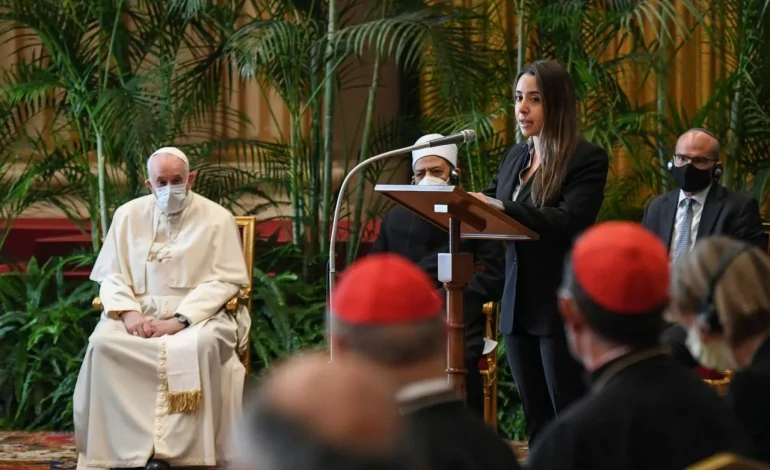
Global technology policy increasingly recognizes the need for moral frameworks. Faith leaders have joined discussions with governments and corporations to ensure that technological progress serves humanity. The Vatican’s participation in the Rome Call for AI Ethics has inspired interfaith initiatives involving Muslim, Jewish, Hindu, and Buddhist representatives. These joint efforts promote a shared language of ethics, compassion, and accountability across cultural and religious boundaries. Moral dialogue now stands alongside scientific research as a key driver of responsible innovation.
Ethics and Artificial Intelligence Governance
The use of artificial intelligence in governance, healthcare, and education presents new ethical challenges. Faith-based scholars argue that algorithms must reflect human-centered values rather than material efficiency alone. The Church promotes principles of transparency, fairness, and accountability in AI design. Vatican researchers work with academic institutions to explore how moral reasoning can be embedded in algorithmic systems. Responsible AI, guided by faith ethics, seeks to uphold the primacy of human conscience over machine logic.
Interfaith Cooperation on Technology Standards
Religious institutions are establishing global partnerships to address ethical challenges in digital development. Conferences hosted in Rome, Geneva, and Abu Dhabi bring together experts in theology, philosophy, and computer science. These gatherings aim to formulate moral guidelines for emerging technologies such as robotics, blockchain, and genetic engineering. The shared outcome emphasizes that technology must empower rather than exploit. Interfaith collaboration demonstrates how spiritual values can unite diverse societies in the pursuit of responsible innovation.
Faith and the Digital Economy
The expansion of the digital economy raises moral questions about inequality, access, and justice. Faith communities advocate for fair technological inclusion that benefits all sectors of society. The Church supports initiatives that use technology to advance social welfare and human development. Digital finance projects guided by ethical frameworks, such as transparent blockchain systems, represent practical expressions of faith-based morality. Through these initiatives, technology becomes a tool for solidarity and compassion rather than division.
Education in Ethical Technology
Faith-based universities and seminaries are integrating courses on digital ethics and technology governance. Students learn how theology intersects with computer science, policy, and global development. The Vatican promotes the study of moral reasoning in technological design to ensure that future innovators remain guided by conscience. Academic programs developed by Catholic and interfaith institutions aim to produce leaders capable of balancing innovation with moral responsibility. Education becomes a means to cultivate wisdom alongside technical skill.
Digital Responsibility and Human Rights
Faith institutions highlight the need for technology to respect human rights and personal freedom. The Church warns that unchecked digital surveillance and data misuse can lead to dehumanization. Ethical governance must protect individual autonomy while fostering communal responsibility. Vatican documents on digital ethics stress that freedom and accountability must coexist in all technological systems. This balance reflects the Church’s broader view that moral order safeguards human dignity in every sphere of life.
Faith-Based Innovation Networks
Religious organizations are forming innovation networks that promote socially responsible technology. Projects addressing environmental monitoring, healthcare accessibility, and education equity are developed under ethical oversight. The Vatican’s partnerships with academic and private sectors encourage innovation driven by compassion and justice. These collaborations show how faith can inspire creativity that contributes to human progress while remaining anchored in moral truth.
Spiritual Dimensions of Technology
Faith traditions teach that technology should enhance human potential without diminishing spiritual awareness. The Church encourages believers to approach innovation with gratitude and restraint. The integration of spiritual reflection into digital life helps prevent the loss of empathy and purpose in an age of automation. Prayer, contemplation, and ethical discipline become vital tools for maintaining moral clarity within technological culture. Spiritual insight reminds humanity that progress without virtue risks emptiness.
Global Cooperation for Ethical Governance
The Vatican envisions a world where religious and secular institutions jointly uphold the ethics of technology. This cooperation aims to create a shared moral foundation for digital governance. Faith communities, through their global networks, can mobilize cultural and educational resources to influence policy. Their participation ensures that the pursuit of innovation remains aligned with compassion and justice. By leading in responsible technology, faith institutions affirm that human dignity is the ultimate measure of progress.