


Global Faith Pulse Reader Voices on Church Reform


Readers across multiple regions express diverse opinions on the pace and direction of Church reform. Many view modernization as essential for maintaining relevance in a rapidly changing world, while others urge caution to preserve doctrinal integrity. Surveys show that lay Catholics in Europe and Latin America favor structural transparency and wider participation in Church governance. Respondents from Africa and Asia emphasize the importance of spiritual authenticity and community service. The collective sentiment suggests that reform is viewed as both a moral and practical necessity.
Support for Transparency and Accountability
Transparency continues to rank among the most significant priorities for readers. Many respondents believe that open communication between clergy and laity can strengthen trust within the Church. Feedback indicates a strong preference for publishing financial reports, clarifying administrative decisions, and addressing misconduct with accountability. Readers also highlight the importance of involving women and lay experts in advisory roles to ensure that governance reflects broader representation. Transparency is not perceived as a challenge to authority but as an act of faith in truth and justice.
Doctrinal Renewal and Social Engagement
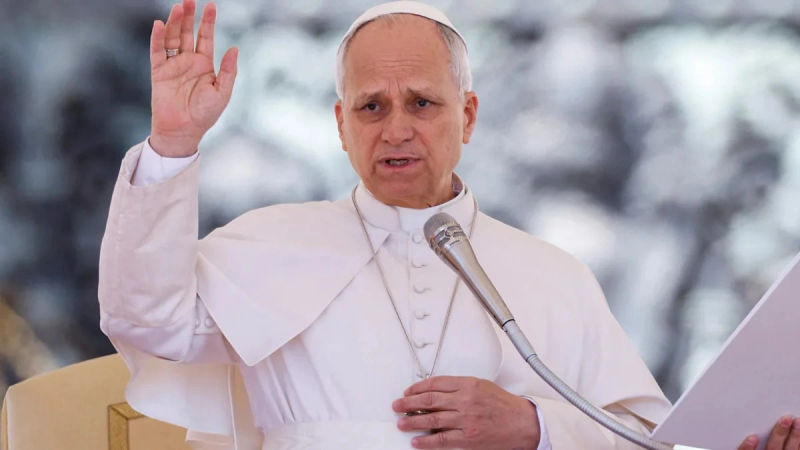
A growing segment of readers calls for renewed dialogue between Church teaching and contemporary moral questions. Topics such as economic inequality, technology ethics, and environmental stewardship frequently appear in reader submissions. Believers argue that doctrine should illuminate these modern challenges rather than avoid them. Many point to Pope Francis’s emphasis on compassion and inclusivity as evidence that the Church can remain faithful to tradition while engaging with present realities. The desire for moral clarity combined with pastoral sensitivity defines the tone of this discussion.
Voices from Emerging Regions
Reader engagement from Africa, South America, and South Asia reveals increasing enthusiasm for community-led ministry. Local church groups report success in social development projects and faith-based education programs. Respondents express pride in the Church’s expanding humanitarian mission while urging stronger collaboration between local dioceses and global institutions. Their perspectives reflect optimism about reform that enhances community service and fosters unity between global and local identities within the Catholic world.
The Role of Women in Reform Discourse
Readers consistently raise the issue of women’s participation in Church life. Surveys reveal broad agreement that women’s voices must be heard in both pastoral and policy decisions. Many respondents note that female religious leaders and educators already play a major role in evangelization and social welfare. The discussion focuses on recognizing and institutionalizing these contributions rather than treating them as informal extensions of service. This ongoing dialogue signals a shift toward inclusivity grounded in respect rather than confrontation.
Youth Opinion and the Future of the Church
Young Catholics contribute a distinct perspective shaped by digital communication and global awareness. Reader comments show that younger believers value authenticity, empathy, and social relevance in Church messaging. Many call for greater engagement through online platforms, community service, and educational outreach. Youth respondents emphasize that reform should not dilute doctrine but express it in accessible and practical terms. Their feedback positions them as key partners in shaping the Church’s evolving identity.
Reader Reflections on Clerical Responsibility
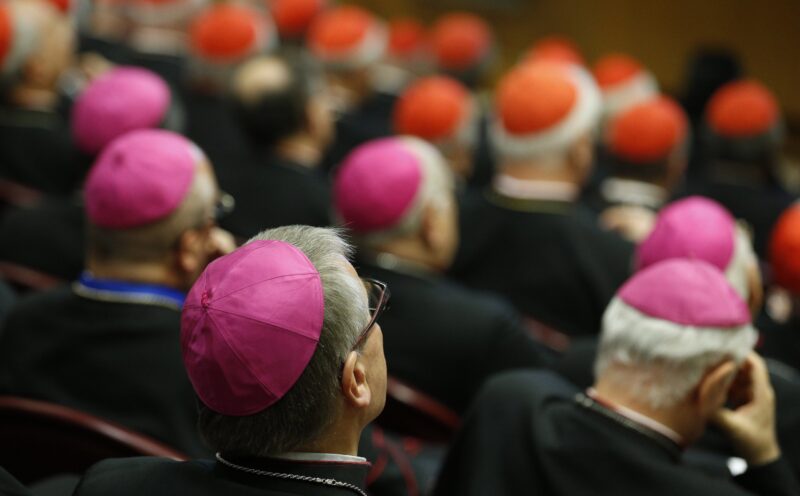
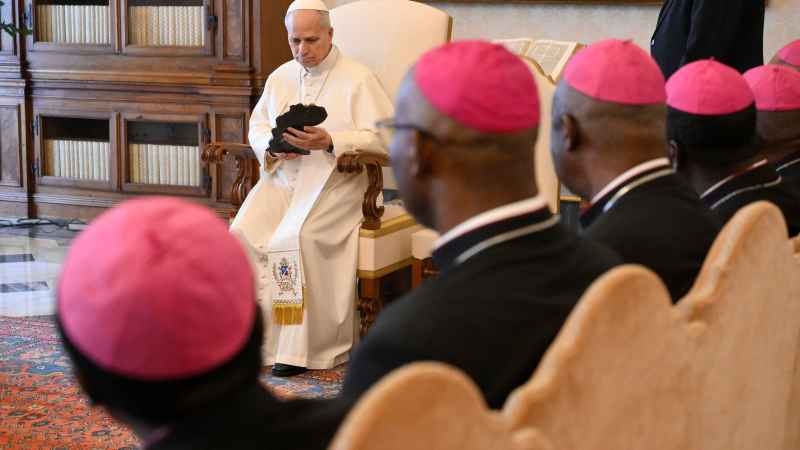
Public opinion gathered through reader polls highlights concern about clerical accountability. Many contributors emphasize that moral authority depends on integrity and transparency. Respondents advocate for improved communication between bishops and local communities and for mechanisms that ensure ethical governance. This sentiment reflects a broader desire for consistency between the Church’s moral message and its institutional behavior. Faithful readers view reform not as rebellion but as restoration of the Church’s credibility.
Reform and Faith Identity
Reader perspectives reveal a consistent belief that reform must strengthen, not weaken, faith identity. Contributors frequently describe reform as an act of renewal rather than rupture. Many emphasize that true transformation arises from humility, dialogue, and service. The shared tone of responses is constructive, expressing hope that reform will deepen the Church’s connection with the people it serves. This optimism underscores that faith remains the foundation of reform and the source of the Church’s continuing moral influence.