
COP30: Ode to the Amazon

As the COP30 climate summit begins in Belém, Brazil, the world’s attention turns to the heart of the Amazon rainforest, a place that represents both the planet’s lungs and its living soul. Hosting this year’s UN climate conference in the Amazon is more than symbolic; it is a reminder that the fight for climate justice must start where nature still breathes most deeply.
The Amazon, the largest rainforest on Earth, holds more biodiversity than any other ecosystem on the planet. Its sprawling canopy shelters millions of plant and animal species, many still undiscovered, while its rivers feed the life of entire continents. To walk through it is to feel both awe and humility, a reminder that humanity depends on the delicate rhythms of a forest older than civilization itself.
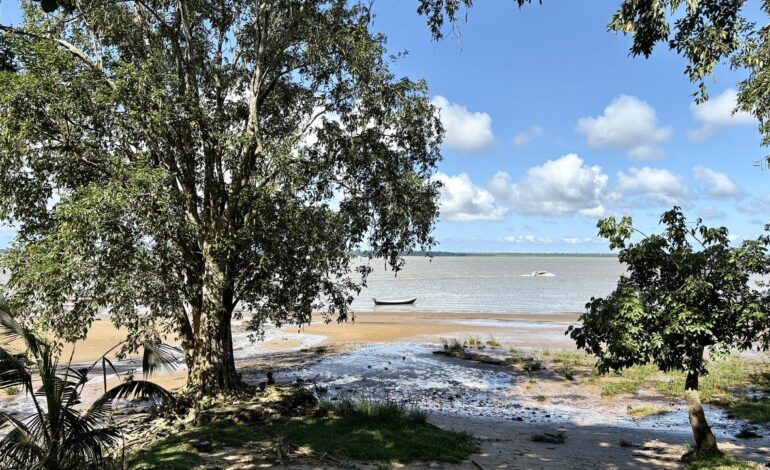
Here in Belém, often called the “gateway to the Amazon,” the boundary between the city and the rainforest feels almost invisible. The humid air clings to the skin, tropical rains come and go without warning, and nature asserts itself at every corner. Vultures trace slow circles above the rooftops, herons gather along the riverbanks, and the chatter of birds blends with the hum of traffic. The city’s pulse moves to the rhythm of the forest that envelops it.
Daily life in Belém reflects this closeness to nature. Stalls selling fresh coconut water line the streets, while families enjoy bowls of purple açaí, a local staple served with fish, tapioca, or milk. Despite its urban bustle, Belém feels inseparable from the green vastness that surrounds it. The forest is not merely nearby; it is part of the city’s identity, its history, and its future.
By choosing Belém as the host of COP30, world leaders are meeting in a place that embodies both the wonder and the urgency of the global climate struggle. The Amazon stands as a living witness to what humanity risks losing and what it still has the power to protect. For local communities, the summit is not only about international promises but also about safeguarding their homes, cultures, and livelihoods that depend directly on the forest’s survival.
As delegations gather, the challenge is clear climate agreements must move beyond rhetoric to real, enforceable action. The Amazon cannot continue to bear the cost of global inaction. Its preservation is not a regional concern but a global responsibility, and Belém now stands as a symbol of both hope and accountability for a planet running out of time.