
Pope’s visit to Türkiye seen as moment to “revive the spirit of Vatican II”
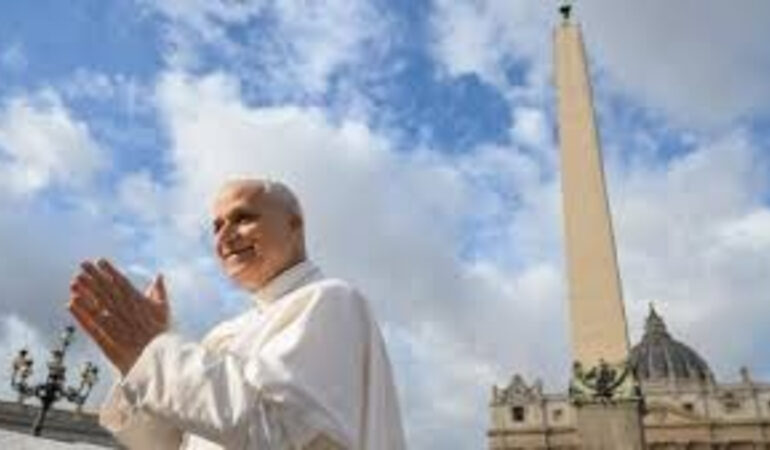

As Pope Leo XIV prepares for his apostolic journey to Türkiye, Church leaders and interfaith advocates are expressing hope that the visit will renew the spirit of dialogue, unity, and service that characterized the Second Vatican Council. The trip, which will include stops in Ankara, Istanbul, and İznik, historically known as Nicaea, comes as the Church marks the 1700th anniversary of the First Ecumenical Council, a milestone deeply symbolic of Christian unity.
Bishop Paolo Bizzeti, former Apostolic Vicar of Anatolia and recently retired president of Caritas Türkiye, reflected on the significance of the papal visit in an interview with Vatican News. Having served nearly a decade in one of the most religiously diverse regions of the country, Bishop Bizzeti described Türkiye as “a mosaic of faiths and traditions” where dialogue is lived out daily, often in quiet acts of service and solidarity.
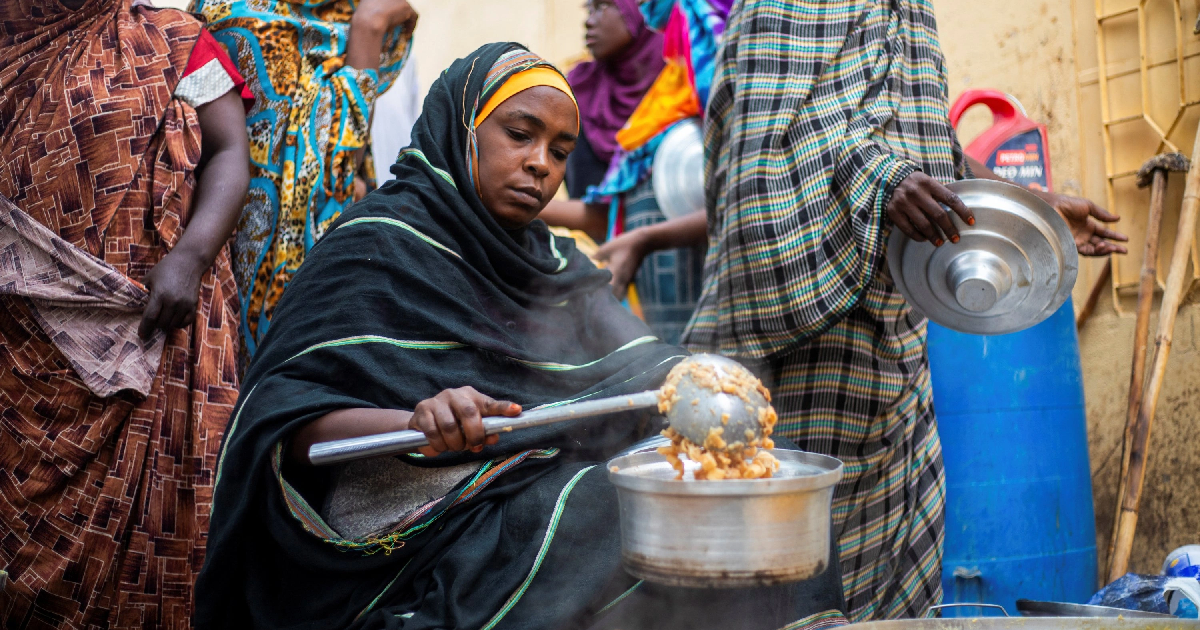
“In the months after the earthquake, we worked side by side, breaking down old walls of division and showing that the deepest form of interreligious dialogue, as Pope Francis used to say, is the dialogue of life,” Bishop Bizzeti explained. “Serving the poor together allowed us to rediscover our shared humanity and deepen mutual respect.”
That experience of unity amid suffering, he said, mirrors the values at the heart of Vatican II, which called for renewed openness between the Catholic Church and other Christian and non-Christian communities. “The Pope’s visit is a chance to rekindle that spirit,” he added. “It is about walking together, not only in faith but in service to peace and the dignity of every person.”
The visit’s itinerary includes a stop in İznik, the ancient city where the Council of Nicaea was held in the year 325. That council produced the Nicene Creed, a cornerstone of Christian belief that continues to unite churches around the world. By visiting the site, Pope Leo XIV aims to highlight the importance of ecumenism, fostering deeper relationships among Christian denominations that share common roots but have grown apart over centuries.
For Türkiye’s small but vibrant Catholic community, the papal visit carries profound meaning. It is both a gesture of encouragement and a recognition of their enduring presence in a predominantly Muslim nation. Bishop Bizzeti said the faithful see the Pope’s journey as a message of peace, fraternity, and hope for all people of faith.
The Holy Father’s presence reminds us that dialogue is not a theory but a way of life,” the bishop said. “Türkiye has always been a crossroads of civilizations, and now it can once again be a place where bridges are built, not walls.