Church Diplomacy and Global Peace Agenda
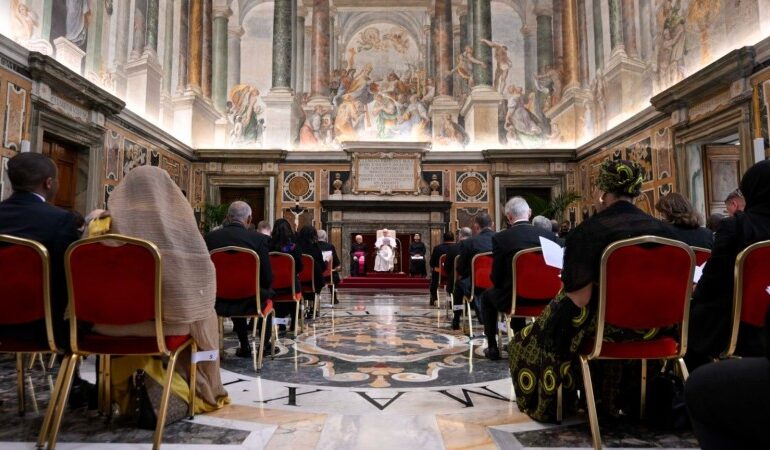

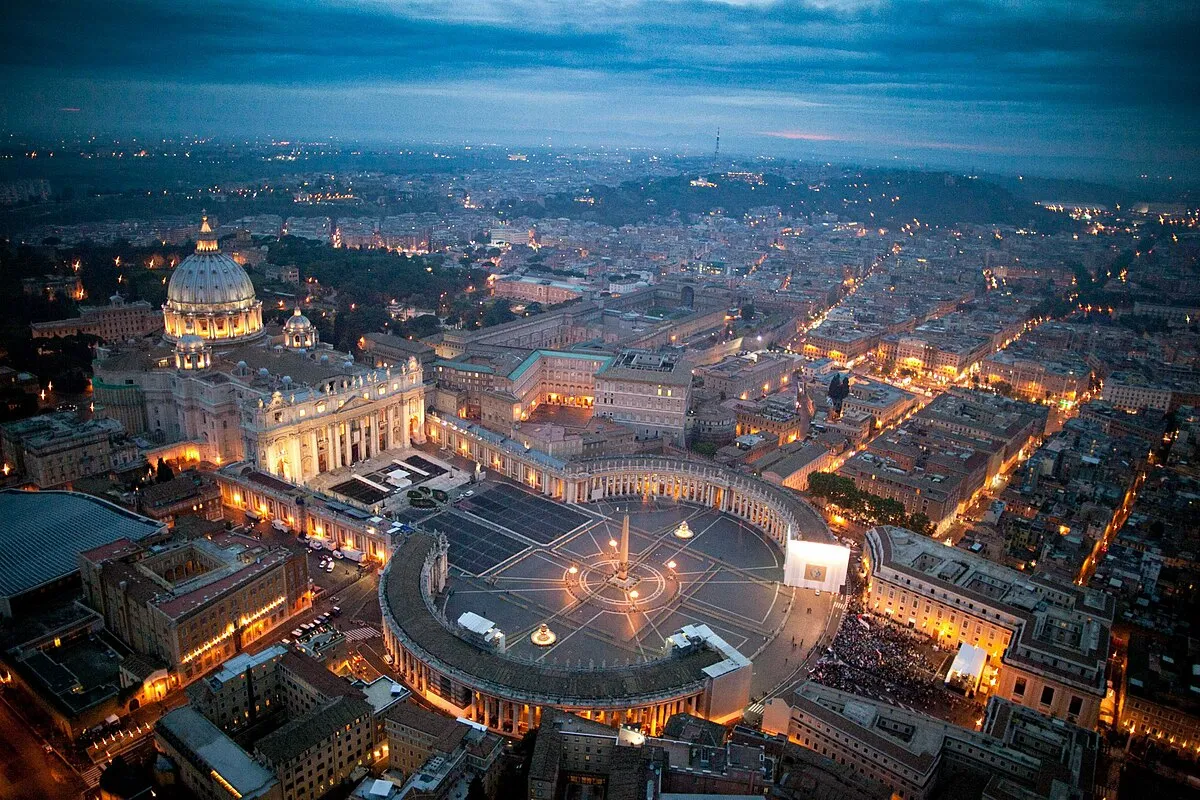
The Vatican’s diplomatic mission has long been centered on building bridges in a world marked by division. Today, that mission is more relevant than ever. Church diplomacy operates not only through formal channels but through moral persuasion and the universal language of compassion. It offers an alternative to power politics by emphasizing reconciliation, dialogue, and human dignity.
At the heart of this approach lies the idea that peace is not merely the absence of war but the presence of justice, cooperation, and understanding among peoples. The Church’s diplomatic actions aim to create space for dialogue where politics often fails, reminding nations that peace cannot be built on fear or dominance.
The Vatican’s Role in Conflict Mediation
The Holy See has played a discreet yet crucial role in several peace processes. Its representatives often work behind the scenes, mediating conflicts, facilitating humanitarian access, and encouraging reconciliation between divided groups.
Recent examples include Vatican engagement in Africa, the Middle East, and Eastern Europe, where Church envoys have quietly supported negotiations and humanitarian relief. These efforts are rooted in the Church’s belief that dialogue is not a political strategy but a spiritual duty.
Church diplomacy seeks no territorial gain or economic advantage. Its authority stems from moral credibility and its consistency in advocating for the vulnerable, the displaced, and those without a voice in global affairs.
The Pope’s Message of Global Solidarity
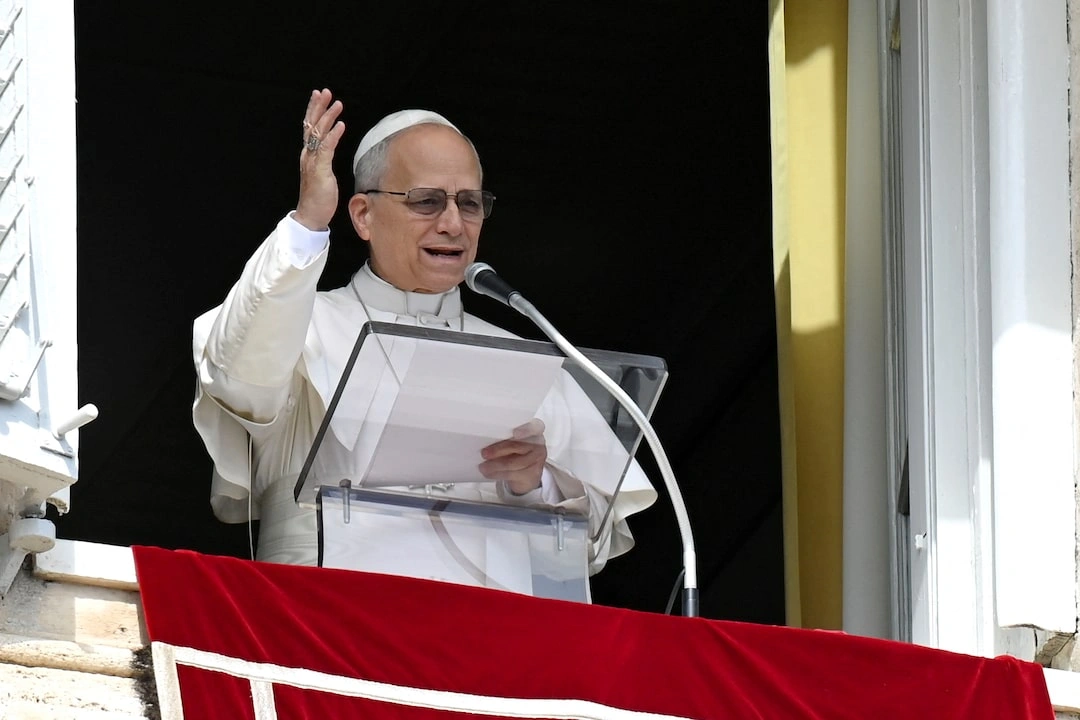
Pope Leo XIV continues to reinforce the vision of global peace through dialogue. In his addresses to world leaders, he stresses that diplomacy must go beyond protocol, it must serve humanity. He frequently reminds the international community that technological progress and economic growth mean little without compassion and ethical responsibility.
His calls for peace are not abstract. They arise from pastoral encounters with people suffering from war, hunger, and displacement. This proximity to human suffering gives Church diplomacy its unique moral depth.
Building Interfaith and Cultural Bridges
Modern Church diplomacy also extends to interfaith cooperation. In an age of polarization and misinformation, dialogue between faiths has become a key tool for global stability. The Vatican actively engages with leaders from Islam, Judaism, Buddhism, and other religions to promote mutual understanding and peacebuilding.
Initiatives such as interreligious summits, joint humanitarian projects, and educational partnerships help dispel mistrust. These efforts highlight that shared moral values, respect for life, care for creation, and justice can serve as the foundation for peaceful coexistence.
The Church as a Global Mediator for Peace
Unlike traditional diplomacy, Vatican diplomacy transcends political alliances. The Holy See maintains relations with countries across the ideological spectrum, offering a unique position as a neutral moral mediator.
When political dialogue breaks down, Church envoys often become the last credible intermediaries. Through its global network of dioceses, missions, and religious institutions, the Church can reach communities and leaders at every level, ensuring that humanitarian and ethical considerations remain central to any peace process.
Humanitarian Diplomacy in Action
The Church’s presence in conflict zones allows it to act swiftly when crises erupt. Catholic charities and religious orders often serve as the first responders in regions cut off from governmental or international aid.
This humanitarian outreach is an extension of the Church’s diplomatic mission. It demonstrates that peace is not achieved through words alone but through service to those most in need.
A Moral Compass in a Fractured World
Church diplomacy offers a distinct moral compass in an era where global politics is increasingly transactional. It insists that peace cannot be sustained through power dynamics but through respect for the sacredness of life.
This moral vision calls on nations to pursue disarmament, environmental protection, and social justice as integral components of peace. It also urges political leaders to prioritize dialogue over confrontation and to see peace as a shared human responsibility.
The Future of Vatican Diplomacy
As the Church navigates complex global realities, it continues to balance tradition with innovation. New forms of communication, digital outreach, and faith-based diplomacy are expanding its influence in the international arena.
Pope Leo XIV’s leadership embodies this evolution. His focus on digital ethics, environmental justice, and intergenerational solidarity underscores the Church’s role in shaping a moral response to global challenges.
A Call to the Global Community
Ultimately, Church diplomacy is a call for conversion of hearts, policies, and systems. It asks the global community to look beyond national interest and recognize the interconnected destiny of humanity.
In every act of peacemaking, the Church echoes Christ’s message: “Blessed are the peacemakers.” Through its moral consistency and global outreach, the Vatican continues to remind the world that diplomacy grounded in faith, compassion, and justice remains humanity’s most powerful tool for peace.