Global Church Diplomacy in Conflict Regions

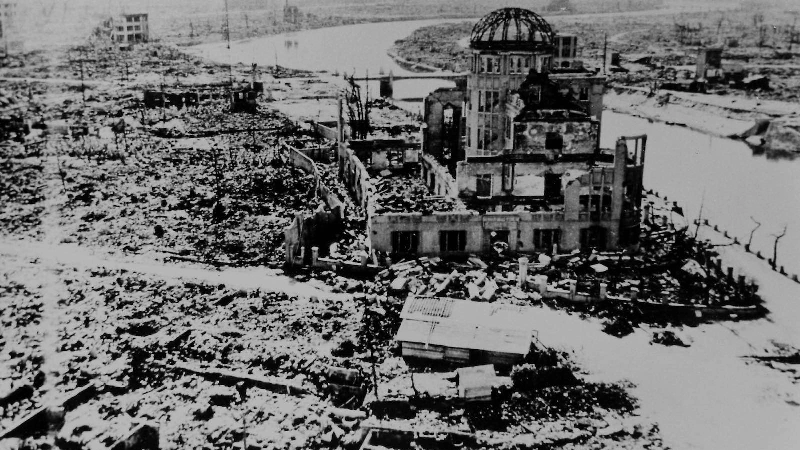
The Catholic Church has long played a vital role in regions affected by conflict offering spiritual support humanitarian assistance and diplomatic mediation. Guided by the principles of peace justice and human dignity the Church seeks to protect vulnerable populations and build bridges where political dialogue has failed. Vatican diplomacy views conflict not only as a geopolitical crisis but also as a moral wound that demands healing. By combining pastoral presence with diplomatic engagement the Church contributes a unique voice rooted in reconciliation and compassion.
Vatican Diplomacy and Moral Authority
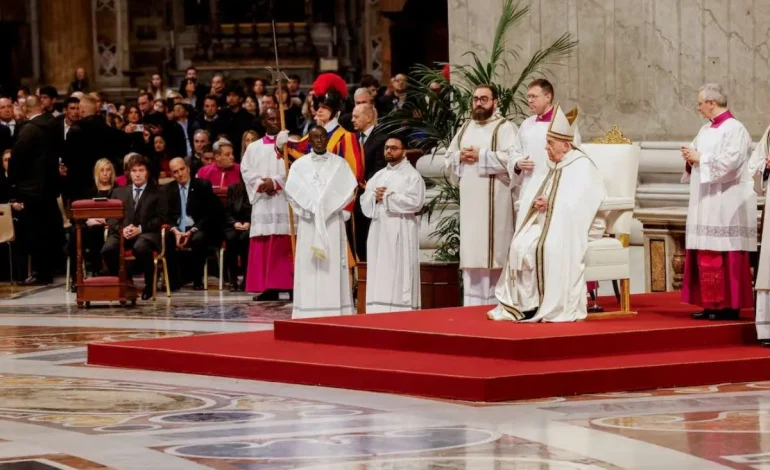
The Holy See holds a distinctive position in global diplomacy due to its moral credibility and impartial stance. Papal representatives maintain dialogue with governments civil society groups and religious leaders across the world. The Vatican’s diplomatic missions encourage peaceful negotiation protection of civilians and respect for international law. While the Church has no military or economic power its moral authority allows it to influence decision makers and advocate for nonviolent solutions. This approach reflects the Gospel tradition which calls for peacebuilding grounded in the dignity of every human person.
Supporting Peace Processes and Negotiation
In conflict regions the Vatican often participates in back channel diplomacy by facilitating communication between opposing groups. Papal envoys have assisted in peace processes in Africa Latin America and the Middle East by offering neutral ground for dialogue. The Church’s humanitarian networks provide local insight that helps negotiators understand the needs of communities suffering from war. Through discreet mediation efforts the Vatican encourages ceasefires prisoner exchanges and humanitarian corridors. Its consistent message is that lasting peace requires justice forgiveness and political inclusion.
Pastoral Presence and Humanitarian Action
Church institutions are often present long before and long after political actors arrive. Bishops priests and religious workers remain in conflict zones to support displaced families provide education and offer trauma healing programs. Catholic humanitarian organizations such as Caritas accompany victims regardless of ethnicity or faith. Their direct presence on the ground offers the Vatican reliable information about local realities which strengthens diplomatic advocacy. By combining pastoral care with humanitarian service the Church embodies its mission to protect life and uphold human dignity in the midst of violence.
Interfaith Dialogue as a Peace Tool
Interfaith cooperation plays a central role in the Church’s peacebuilding strategy. In areas where religious tensions fuel conflict the Vatican promotes dialogue that fosters mutual understanding and reduces hostility. Meetings between Catholic leaders Muslim scholars and representatives of other religious communities help build trust and counter extremists who misuse religion for violence. Interfaith initiatives focus on shared values such as compassion justice and respect for life. This collaborative model strengthens social cohesion and demonstrates that faith communities can be partners in peace rather than sources of division.
Advocacy for Human Rights and Social Justice
The Church consistently advocates for the protection of human rights in conflict zones. Vatican officials call for respect for international humanitarian law the safeguarding of children and the protection of religious minorities. They speak against persecution forced displacement and exploitation by armed groups. The Church also highlights the impact of conflict on women who often face violence and loss of livelihoods. Through global statements diplomatic meetings and pastoral letters the Vatican urges governments and international organizations to prioritize justice and human dignity in peace agreements.
Education and Community Rebuilding
Long term peace depends on rebuilding communities shattered by war. Church run schools universities and training centers play an essential role in post conflict recovery. These institutions promote critical thinking reconciliation and civic responsibility. Educational programs encourage young people to reject violence and participate in building stable societies. The Church also supports trauma healing programs and community development projects that help families regain economic stability. By investing in education and community resilience the Church contributes to durable peace rooted in human development.
A Persistent Voice for Peace in a Divided World
The Catholic Church’s role in conflict regions reflects a commitment to peace rooted in faith and moral responsibility. Through diplomacy humanitarian action and interfaith cooperation the Church offers a path of healing in places marked by suffering. Its contribution is not defined by political power but by a consistent defense of human dignity and a willingness to accompany vulnerable communities. As global conflicts evolve the Vatican continues to be a steady advocate for dialogue reconciliation and justice. This mission reflects the Church’s belief that peace is not merely an agreement but a moral calling that demands courage patience and compassion.