

AI and Theology: Can Machines Interpret Faith
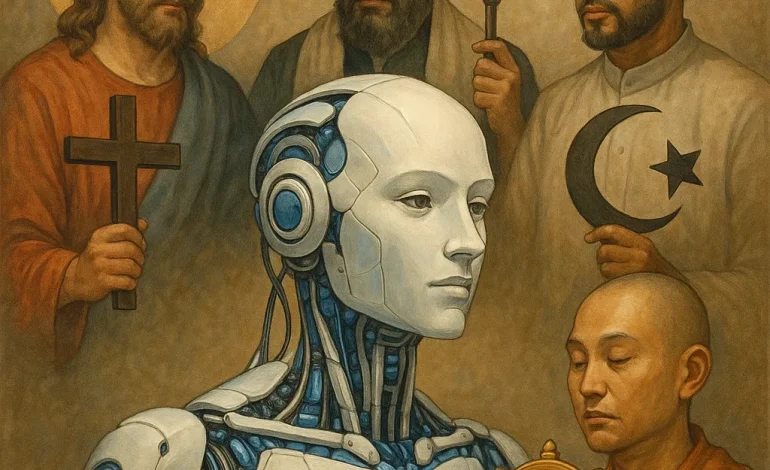

Artificial intelligence continues to influence daily life, academic research, and global communication. As technology advances, an important question arises for religious communities: can a machine engage with theology, a discipline rooted in divine revelation, human experience, and spiritual wisdom The growing presence of AI in education, liturgy support, and biblical research has opened a new conversation within the global church about the role of technology in understanding faith.
Theology is not simply information. It is a search for truth shaped by scripture, tradition, prayer, and human reflection. While AI can process data, it cannot experience belief. This distinction guides today’s debate about how technology should be integrated into religious life.
The Capabilities of AI in Religious Research
AI systems are exceptionally strong in tasks that involve pattern recognition, translation, and data analysis. Digital tools can compare ancient manuscripts, enhance archaeological interpretation, and support scholars in studying biblical languages. These capabilities allow researchers to examine large collections of texts more quickly than ever before.
In universities and seminaries, AI supports linguistic analysis of scripture, historical comparisons, and categorization of theological themes. These tools provide useful assistance for scholars, offering accuracy and speed that enhance academic work. Yet their role remains complementary rather than interpretive.
The Limits of Machine Based Understanding
Theological understanding requires more than logical processing. It depends on spiritual insight, tradition, community worship, and the guidance of lived experience. Machines cannot pray, meditate, or participate in sacraments. They cannot experience grace, suffering, or empathy.
AI can simulate religious language but cannot grasp the spiritual depth behind it. Terminology such as salvation, love, sacrifice, or divine mystery involves meaning that emerges from human encounter with God. Machines cannot interpret these truths because interpretation requires consciousness, faith, and moral awareness.
Ethical Concerns About AI Generated Theology
AI tools capable of generating religious commentary raise questions about originality, authority, and ethical responsibility. Faith communities must decide how such content fits into teaching and pastoral practice. AI generated reflections may appear convincing, yet they do not come from spiritual discernment.
Leaders emphasize the importance of guidance from trained theologians whose understanding is rooted in scripture, tradition, and pastoral experience. The church encourages responsible use of AI while warning against treating machine generated insights as authoritative or divinely inspired.
Supporting Clergy and Educators with Digital Tools
Although AI cannot replace theological wisdom, it offers practical support for clergy, educators, and researchers. Digital tools can organize parish resources, assist with administrative planning, and streamline communication with communities.
In pastoral ministries, AI systems can help manage schedules, provide language translation for multicultural parishes, and support accessibility for people with disabilities. These functions allow clergy to dedicate more time to spiritual guidance, pastoral visits, and teaching.
Preserving Human Discernment and Moral Judgment
Moral discernment is central to theology. Decisions related to ethics, justice, and pastoral care require human judgment shaped by compassion and wisdom. AI cannot fully assess human intention or moral complexity.
Ethics committees within the global church highlight the need for careful oversight when using AI for educational or advisory purposes. Human involvement ensures that decisions remain grounded in faith and moral responsibility rather than statistical predictions.
The Role of AI in Interfaith Dialogue and Scholarship
AI also supports interfaith dialogue by helping scholars analyze texts from different traditions and identify shared themes. Digital platforms allow researchers to collaborate across regions, languages, and disciplines. These advances encourage deeper understanding between communities of faith.
However the spiritual meaning of interfaith encounters depends on human empathy, respect, and openness. Technology may facilitate conversation, but the relationship building that defines interfaith dialogue remains a human task.
Safeguarding the Sacredness of Religious Practice
Digital tools must be used with great care in sacred settings. Automated systems should never diminish the reverence of worship or interfere with spiritual rituals. The global church encourages boundaries that protect the dignity of liturgy and ensure that technology serves the community without overshadowing the sacred.
AI may assist with accessibility services such as real time translation or visual aids for individuals with hearing or sight impairments. These uses align with the mission of supporting full participation in worship while preserving the sanctity of religious practice.
A Responsible Vision for the Future
As AI continues to evolve, the global church seeks a balanced approach that embraces technological benefits while protecting the core values of faith. Technology can enhance research, support pastoral care, and strengthen education. Yet the heart of theology remains human, shaped by prayer, community, and the movement of the Spirit.
The question is not whether machines can interpret faith but how believers can use technology responsibly while remaining faithful to spiritual truth. The church’s mission continues to depend on human wisdom, compassion, and divine guidance.