
The Role of Women in the Global Church

Across the history of Christianity, women have played an essential role in shaping faith, service, and community life. They have built schools, cared for the sick, supported missions, guided families, and preserved spiritual traditions through generations. In the global church today, their contribution remains foundational. From pastoral outreach to education and social justice, women continue to influence the direction of spiritual life with wisdom, courage, and compassion.
The contemporary church now reexamines how best to honor and integrate these contributions. This reflection involves understanding both the historical role of women and the opportunities for meaningful involvement in modern ministries.
Education and Formation Led by Women
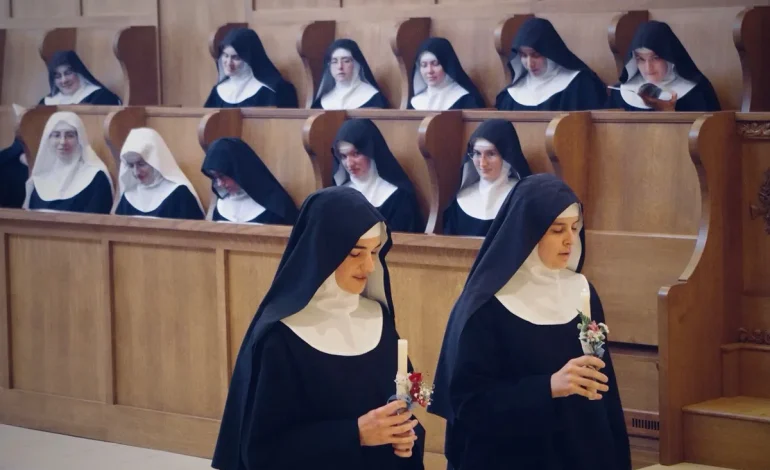
Women have always been central in the formation of Christian communities. They teach children, mentor youth, support catechism programs, and accompany new believers on their spiritual journeys. Schools founded by women religious have shaped countless lives through moral formation, academic excellence, and compassionate service.
Their leadership in education continues in universities, seminaries, and pastoral institutes where women contribute to theology, scripture study, and ethical research. These contributions enrich the intellectual life of the church and support deeper understanding of faith.
Service and Outreach in Social Ministries
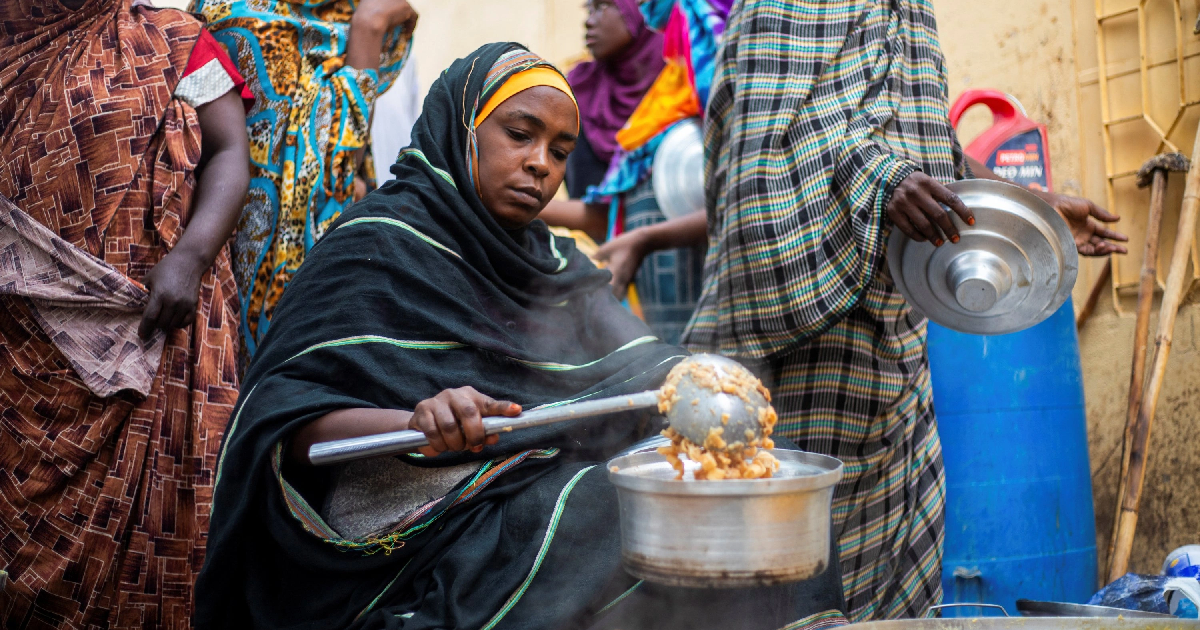
Women play a leading role in charitable and humanitarian programs across the world. They serve in hospitals, shelters, refugee support centers, and community projects. Many Catholic and Christian women’s organizations respond to crises such as natural disasters, conflict, and poverty with remarkable resilience and dedication.
Their outreach reflects the spirit of compassion at the heart of the Gospel. In every region, women become the bridge between the church and vulnerable communities by providing care, listening with empathy, and supporting families in difficult circumstances.
Women in Leadership and Pastoral Roles
The modern church recognizes the importance of women’s voices in leadership discussions and pastoral planning. Many dioceses and religious institutions now include women in advisory councils, theological commissions, and administrative positions.
Women serve as pastoral associates, spiritual directors, and leaders of community programs. Their presence strengthens dialogue within the church and brings a unique perspective shaped by lived experience and spiritual insight. While discussions about formal roles continue, the church acknowledges the importance of including women in decisions that shape community life.
Theological Contributions and Spiritual Scholarship
Women theologians and scholars contribute profoundly to the global understanding of scripture, doctrine, and ethics. Their research highlights perspectives that enrich theological reflection, helping the church explore themes such as family life, human dignity, and moral responsibility.
Their writings influence seminaries, universities, and pastoral programs worldwide. Through scholarship grounded in both faith and intellect, women help the church interpret timeless teachings in ways that respond to contemporary challenges.
Advocacy for Justice and Human Dignity
Women in the global church are powerful advocates for justice. They work to confront violence, trafficking, inequality, and social exclusion. Religious sisters, laywomen, and faith based organizations support initiatives for gender dignity, children’s rights, and community development.
Through local and international networks, women provide a voice for vulnerable populations. Their advocacy aligns with the church’s mission to defend human dignity and promote a more compassionate society.
Cultural Diversity and Global Participation
The global church is diverse, with women from Africa, Asia, Europe, the Middle East, and the Americas contributing in unique ways. Their cultural traditions, spiritual practices, and community experiences bring richness to the universal church.
In many regions, women hold communities together through prayer groups, parish programs, and family leadership. Their involvement reflects the global nature of the church and strengthens unity across cultures.
Encouraging Youth Participation and Mentorship
Young women play an increasingly active role in church life. Through youth ministries, social media engagement, and vocational discernment programs, they bring energy and creativity to spiritual communities.
Mentorship from older women helps guide their faith journey and encourages a new generation of leaders. By cultivating these relationships, the church nurtures continuity and supports vibrant community life.
Addressing Challenges with Faith and Dialogue
Despite their essential contributions, women still face obstacles in some regions. Limited opportunities, cultural norms, and structural barriers can restrict full participation. The global church encourages open dialogue about these challenges, grounded in respect for tradition and commitment to spiritual equality.
Through pastoral listening and ongoing reflection, the church seeks ways to foster collaboration that honors both the dignity of women and the unity of the faith community.
A Path Toward Greater Participation
The role of women in the global church continues to expand. Their leadership, compassion, intellectual insight, and spiritual devotion enrich every aspect of Christian life. By recognizing their contributions and promoting opportunities for greater involvement, the church strengthens its mission and reflects the inclusive spirit of the Gospel.
Women remain essential to the heart of the church’s service. Their presence ensures that the global church continues to grow with wisdom, grace, and profound commitment to faith.