

Researchers Criticise Methodology Behind Augsburg Abuse Report
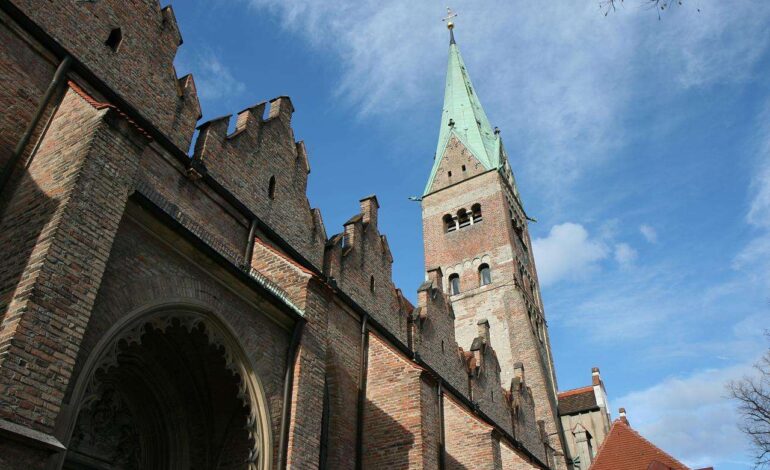

A recent study examining abuse in the Diocese of Augsburg has come under sharp criticism from German scholars who argue that its methodology is deeply flawed. The report, published last month, had highlighted leadership improvements within the diocese while acknowledging serious failures in past decades and proposing several measures to strengthen prevention.
However, historians Martina Steber and Dietmar Suess of the University of Augsburg said in comments to the Augsburger Allgemeine Zeitung that the report “suffers from very fundamental methodological flaws.” They argued that the study relied almost entirely on diocesan records without seeking corroborating archival material or independent sources, and that it did not conduct a systematic assessment of victim testimonies.
The original study had praised the diocese for recent leadership initiatives and recommended new steps such as increased training to help priests recognize and handle abuse, as well as improved transparency in reporting new cases within the boundaries of data protection laws. Responding to the report, Bishop Bertram Meier said that the diocese “cannot rest on our laurels,” acknowledging that further work remains necessary.
Steber and Suess also questioned the independence of the commission responsible for producing the report. They noted that several members had close ties to Church structures, including a senior official from the bishop’s office, which they argued could raise concerns about objectivity.
A spokesperson for the Diocese of Augsburg defended the report, saying that its descriptions of abuse cases were based directly on statements from victims. Interviewing survivors again for additional study would risk retraumatisation, the spokesperson said, adding that critics had “completely overlooked this danger.”
The spokesperson also stressed that another academic institution, the Ludwig Maximilian University of Munich, had completed a separate and comprehensive study focusing specifically on survivors’ experiences. This two part approach, the diocese said, should be considered a model for addressing abuse in a responsible and humane manner.
The issue has gained renewed attention following reporting by the Frankfurter Allgemeine Zeitung, which highlighted the case of a man in the Diocese of Augsburg who said he had been abused by two priests in positions of authority. According to the report, the man was introduced to the city’s gay community by a bishop’s secretary and later threatened with death by an auxiliary bishop if he disclosed the abuse. The diocese has been paying the survivor a monthly pension of three thousand five hundred euros since 2011.
When asked why this case was not included in the study, commission head Hubert Paul explained that the victim was an adult at the time and not under the care of the diocese. The study focused solely on cases involving minors. A diocesan spokesperson added that prosecutors did not pursue charges due to the statute of limitations and that Church authorities in Rome instructed that the case be closed.