
Survey Shows Fewer Young Catholics in the U.S., but Their Engagement Is Growing Stronger


A new national survey has found that while the number of Catholics in the United States has declined over the past two decades, engagement among the youngest Catholic adults is rising and trust in parish leaders is showing signs of improvement. The findings offer a more hopeful picture for Church leaders who have been working to rebuild confidence after the clergy sexual abuse crisis of the early 2000s.
The survey was commissioned in July by Leadership Roundtable, an organization founded in the aftermath of the abuse crisis to promote best practices in Church leadership and governance. Researchers designed a seventy two question study and divided the respondents into three groups. The Faithful, numbering one thousand five hundred and forty one, attend Mass at least once a month. The Occasional, totaling four hundred and seventy two, attend a few times a year. The Disengaged, with one thousand and twenty members, said they seldom or never attend.
Overall Catholic membership in the United States has fallen from sixty five million to fifty million since 2002. Engagement is described as being at a modern low point. Yet the study reveals a surprising shift. Adults ages eighteen to twenty nine have become the most active age group. According to the results, eighty four percent of these younger Catholics attend Mass regularly and participate in parish life through activities like Eucharistic adoration, parish events, and confession.
This finding sharply contrasts with Leadership Roundtable’s 2003 survey, which showed older Catholics attending Mass far more often than younger ones. The new survey reports that two thirds of young adults attend Mass at least monthly, compared with forty three percent of adults aged forty five to sixty four and forty two percent of those older than sixty five. Twenty years ago, attendance figures for older adults were more than eighty percent.
The study also examined levels of trust within the Church. Respondents expressed higher confidence in their pastors and parish staff than in the Church as a national institution. Nearly eighty percent said they trust their parish staff and volunteers to protect children, and seventy seven percent said the same about their pastor and clergy.
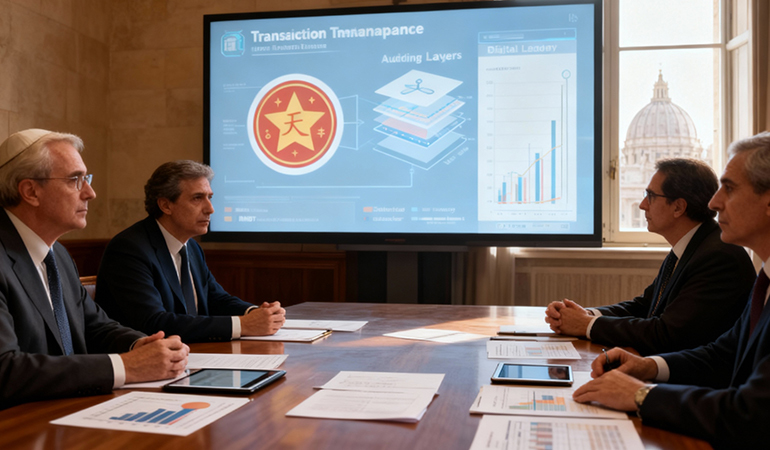
Across all age groups, building transparent and accountable leadership was identified as a major priority. Seventy seven percent of participants listed it among their top concerns, and nearly half said it was extremely important. Confidence in bishops remains mixed. Only forty nine percent of Catholics believe their bishops meaningfully involve lay people in decision making, and even fewer feel there is adequate financial transparency.
Among Catholics who donate regularly, more than sixty percent say they would give more if financial practices were clearer. Nearly three quarters said their giving would decrease if a scandal occurred in their parish or diocese.
The survey also explored attitudes toward Catholic education. Among those belonging to parishes with schools, only fifty three percent believe the school is thriving, the lowest rating among all forms of youth formation.
Leadership Roundtable says it hopes the findings will guide Church leaders who continue working toward a culture of accountability, openness, and healthy engagement among the Catholic faithful.