
The Global Church and Its Role in Peace Diplomacy Across Conflict Regions

Across the world, regions facing political tensions and humanitarian pressure continue to seek reconciliation that can lead to long-term stability. While diplomats and governments carry the responsibility of negotiating agreements, the presence of faith-based communities has often played a quiet but influential role in bridging divides. The Catholic Church, with its global network and long tradition of moral advocacy, has frequently stepped into conversations where trust and neutrality are needed. These moments show how spiritual leadership can support international peace efforts.
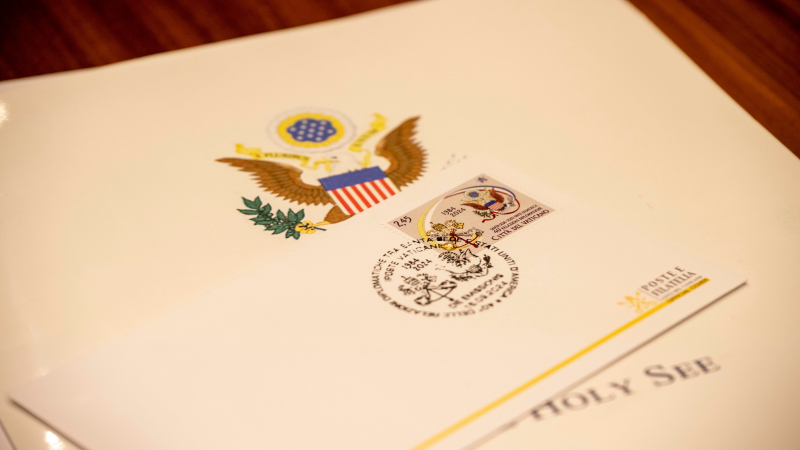
The Vatican’s diplomatic presence operates uniquely. It does not seek territory or political gain, allowing it to communicate with nations, leaders, and communities who might otherwise struggle to find common ground. As conflicts continue to evolve, the Church’s involvement in dialogue remains valued for its ability to highlight human dignity, encourage moderation, and influence public attitudes toward peaceful resolution.
The Church as a Moral Voice in International Diplomacy
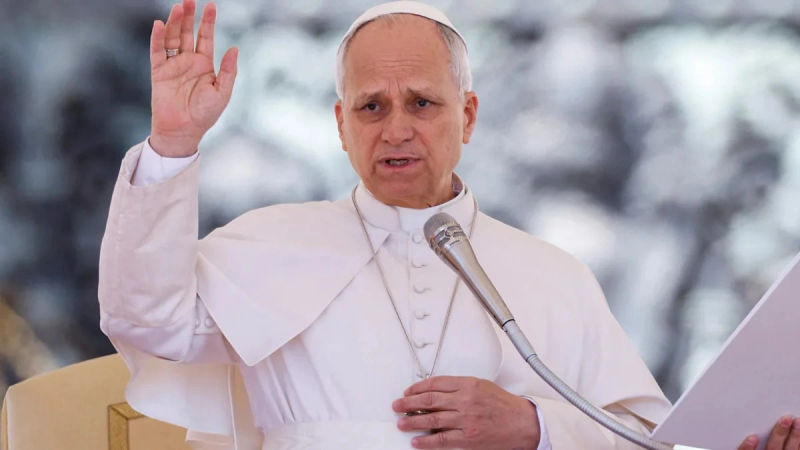
A major strength of the Church in peace diplomacy comes from its moral credibility. Leaders within the Church emphasize compassion, justice, and respect for human life, values that appeal across cultural and political boundaries. When the Vatican speaks in moments of crisis, it often highlights shared concerns rather than national interests, helping to ease tensions in discussions that are otherwise highly sensitive.
The Holy See frequently participates in humanitarian initiatives where conflict disrupts daily life. By prioritizing the safety and well-being of families, children, and vulnerable populations, the Church contributes to diplomatic efforts that focus on reducing suffering and restoring stability. This approach reinforces the idea that peace is not only a political agreement but a commitment to protecting the basic humanity of all people involved.
Neutrality and its Diplomatic Advantages
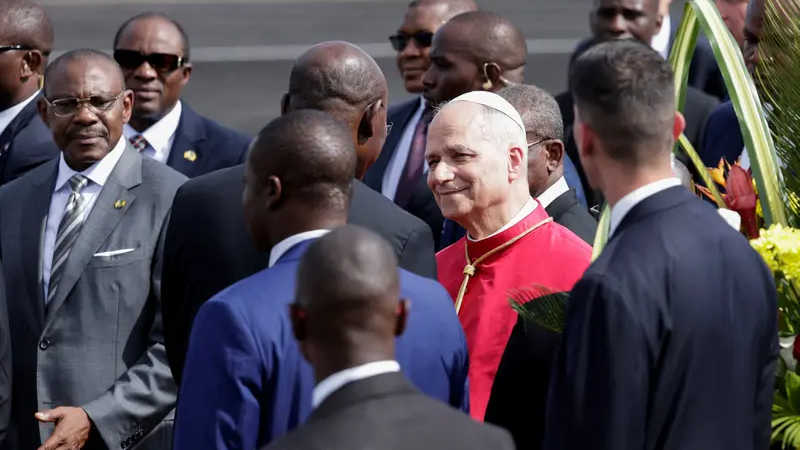
One of the most recognized features of Vatican diplomacy is its ability to remain neutral. This neutrality does not imply indifference but reflects an intention to listen and provide balanced guidance. Nations often find it easier to engage in conversation when the facilitator is not associated with political alliances or military interests. The Church’s presence as a global spiritual authority gives it access to leaders who may avoid direct negotiations with one another.
This neutral position also allows Vatican representatives to participate in humanitarian monitoring, mediation roles, and dialogue-building programs. By focusing on ethical concerns and the long-term value of peaceful coexistence, the Church helps shift discussions away from immediate frustration and toward cooperative solutions.
Supporting Local Faith Communities in Conflict Zones
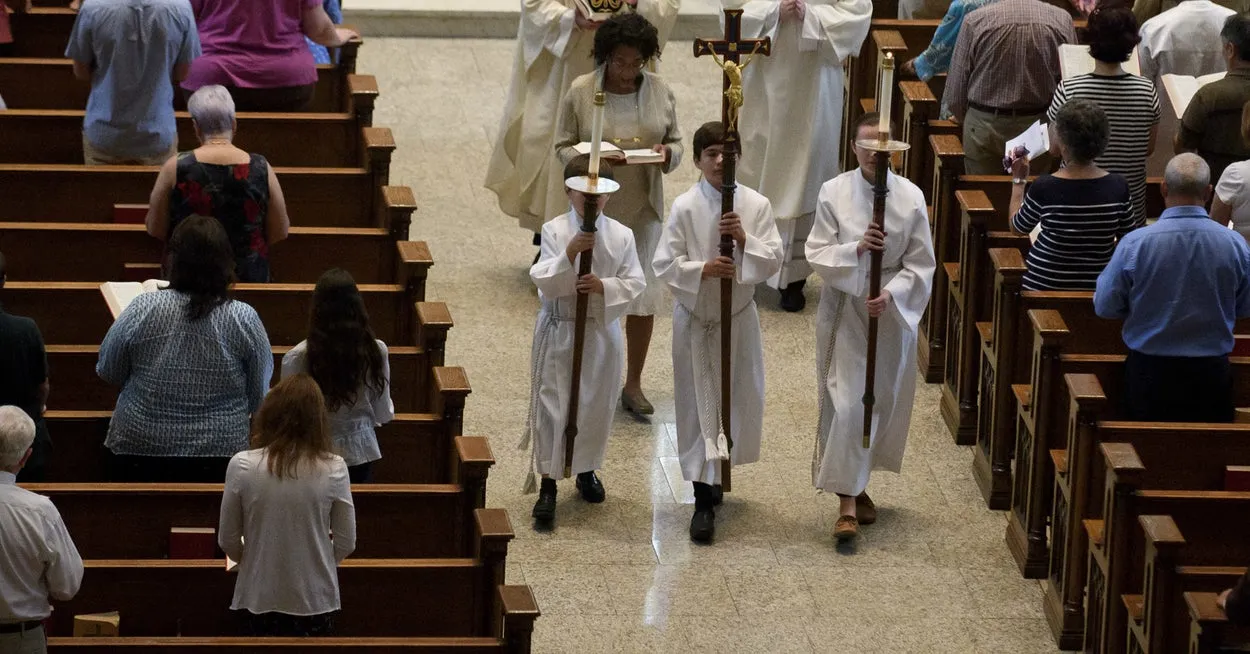
While high-level diplomacy is important, the Church’s influence also depends on the networks it maintains at the community level. Local parishes, schools, and humanitarian groups often remain present even in areas facing instability. These institutions provide essential support such as food distribution, counseling, shelter, and educational programs. Their work helps maintain social structures that prevent further breakdown and gives families the resources needed to endure difficult circumstances.
These local efforts contribute directly to peace diplomacy by building trust among different groups. When communities witness cooperation between faith-based workers and civic leaders, it becomes easier to encourage dialogue and reduce tensions. This cooperation strengthens the foundation upon which official diplomatic conversations can succeed.
Facing Challenges and Public Expectations
The Church’s involvement in peace diplomacy is not without obstacles. Critics sometimes question the effectiveness of spiritual influence in politically complex situations. Others argue that religious institutions must be careful not to overstep their roles or appear partisan. To address these concerns, the Vatican often emphasizes that its participation is rooted in humanitarian principles rather than political ambition.
Clear communication and transparency help maintain public trust. By presenting realistic goals and acknowledging limitations, the Church demonstrates that its engagement supports peace without attempting to control political outcomes. This balanced approach allows the Vatican to remain a respected figure in both diplomatic and humanitarian circles.
Conclusion
The global Church continues to play an important role in peace diplomacy by offering moral guidance, maintaining neutrality, and supporting communities affected by conflict. Its unique position allows it to work alongside governments and international organizations while promoting human dignity and long-term reconciliation. Through its diplomatic presence and local involvement, the Church helps create pathways toward peace that reach both leaders and the people who depend on stability for their future.