

Catholic Thought on Transparency and Governance in Modern Institutions


Modern institutions face growing pressure to demonstrate transparency, accountability, and ethical responsibility. As public trust shifts in response to political disputes, financial inconsistencies, and structural inefficiencies, governments and organizations must adapt to rising expectations for openness. For the Church, these concerns extend beyond administrative structures and into the broader moral landscape shaping global society. Governance is not only a technical matter but a reflection of values that influence how communities operate, how decisions are made, and how individuals relate to one another.
Catholic thought has long emphasized that institutions should serve the common good and uphold the dignity of every person. These principles offer insight for evaluating governance systems in both religious and secular environments. In a world where digital information spreads rapidly and public scrutiny is constant, reflections on ethical leadership provide guidance for maintaining stability and public confidence.
Ethical Governance as a Foundation for Public Trust
Catholic teaching positions governance as a moral responsibility. Institutions must act in ways that reflect integrity, fairness, and respect for human dignity. When decision makers prioritize these values, they help create environments where public trust can grow. This trust becomes essential for achieving long term cooperation and stability. Without it, communities struggle to support initiatives or believe in the legitimacy of leadership structures.
Transparency plays a crucial role in strengthening trust. It allows individuals to understand how decisions are made, how resources are used, and why certain policies exist. When institutions act openly, they reduce suspicion and create opportunities for constructive dialogue. Ethical governance therefore requires not only good intentions but clear processes that allow accountability to function effectively.
Evaluating Institutional Transparency in the Modern Era
Digital technology has made information more accessible than ever before, increasing expectations for transparency across all sectors. At the same time, it has created challenges. Large volumes of data can be misinterpreted, and rapid news cycles sometimes overshadow careful analysis. Institutions must navigate these pressures while ensuring that the information they provide is accurate, meaningful, and responsible.
Catholic perspectives emphasize the need for institutions to communicate with honesty and clarity. This includes explaining complex decisions, acknowledging mistakes, and engaging with stakeholders in respectful ways. Transparency should not be limited to public announcements but integrated into the daily operations of governance. When leaders adopt these practices, they help create cultures that value openness and long term accountability.
The Vatican’s Approach to Institutional Reform
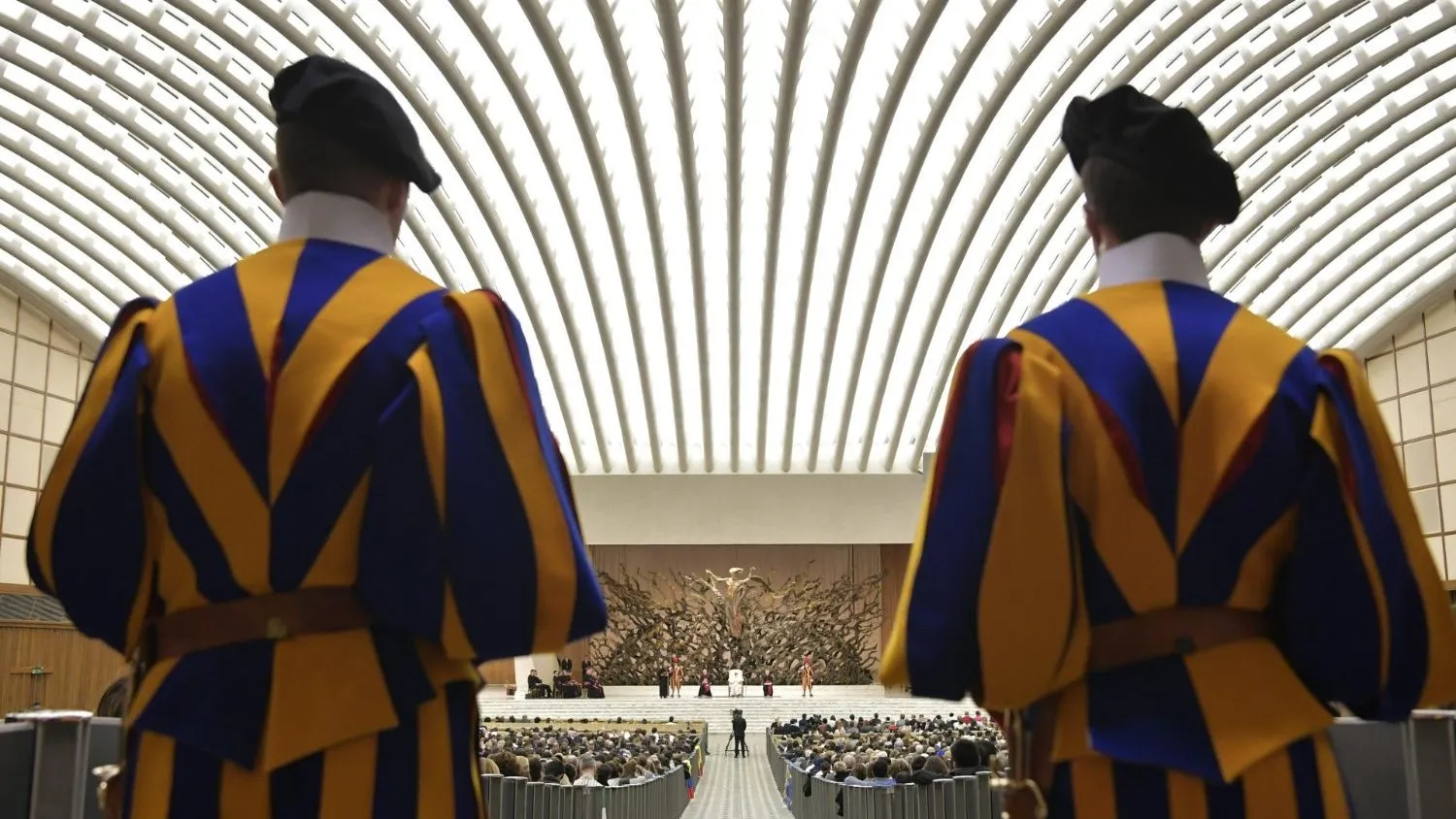
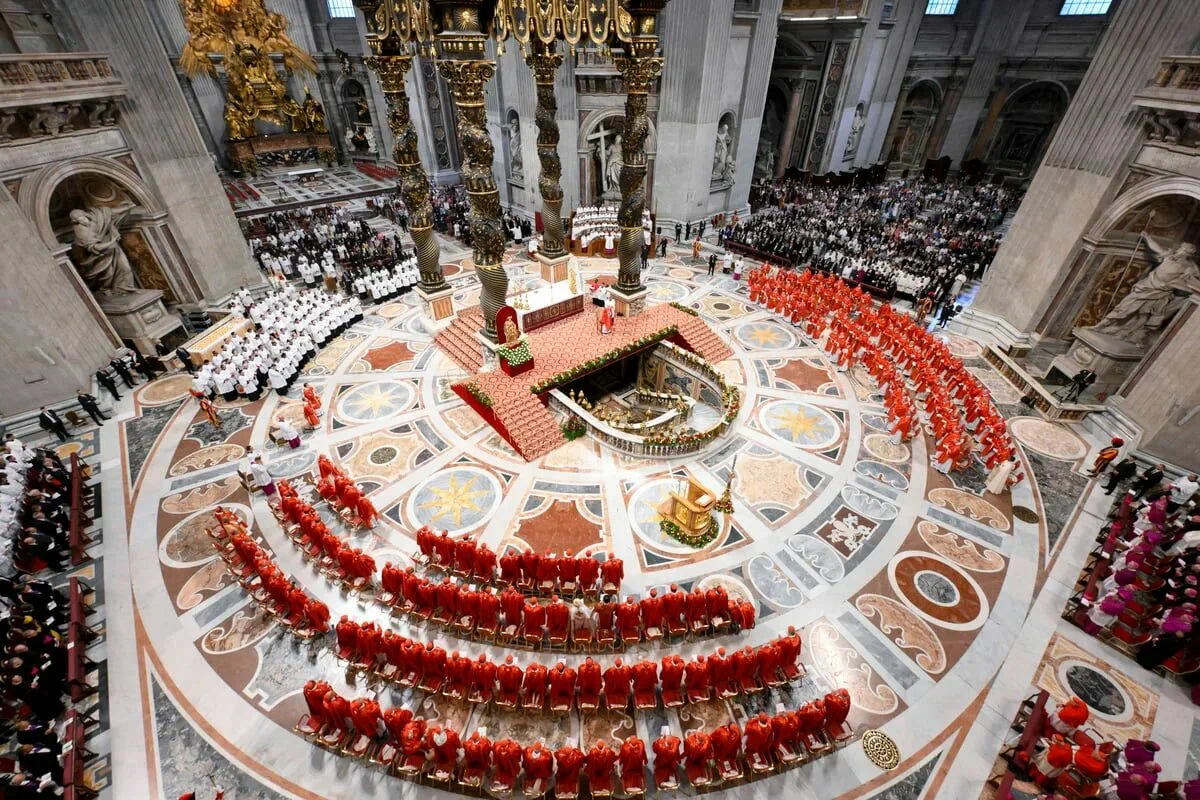
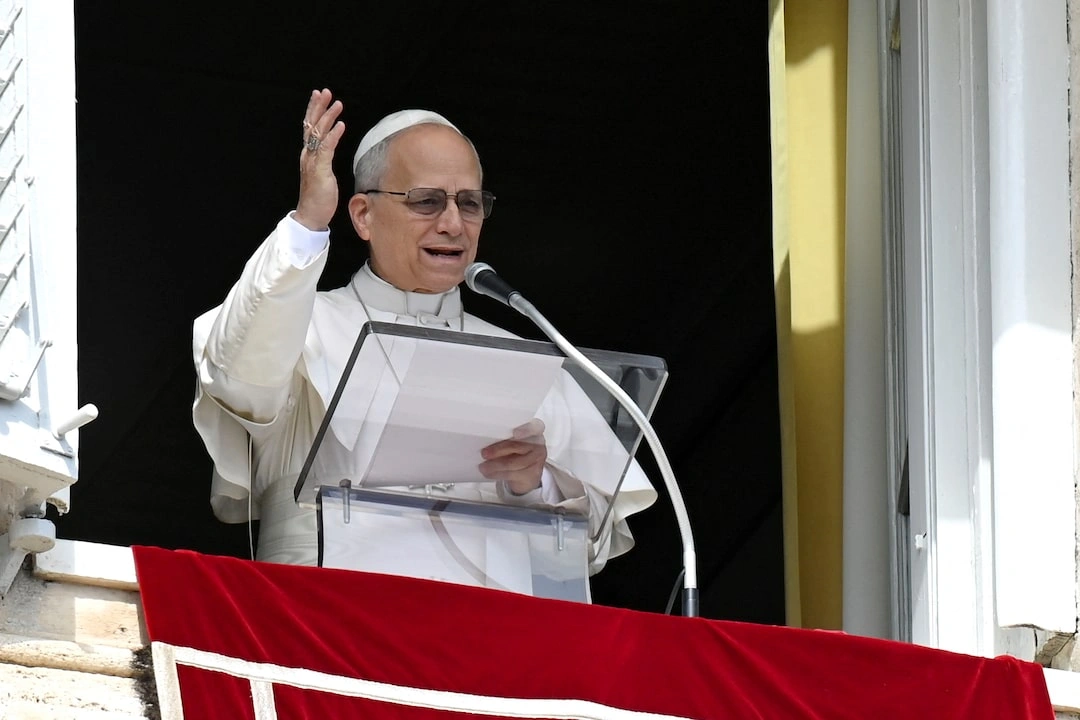
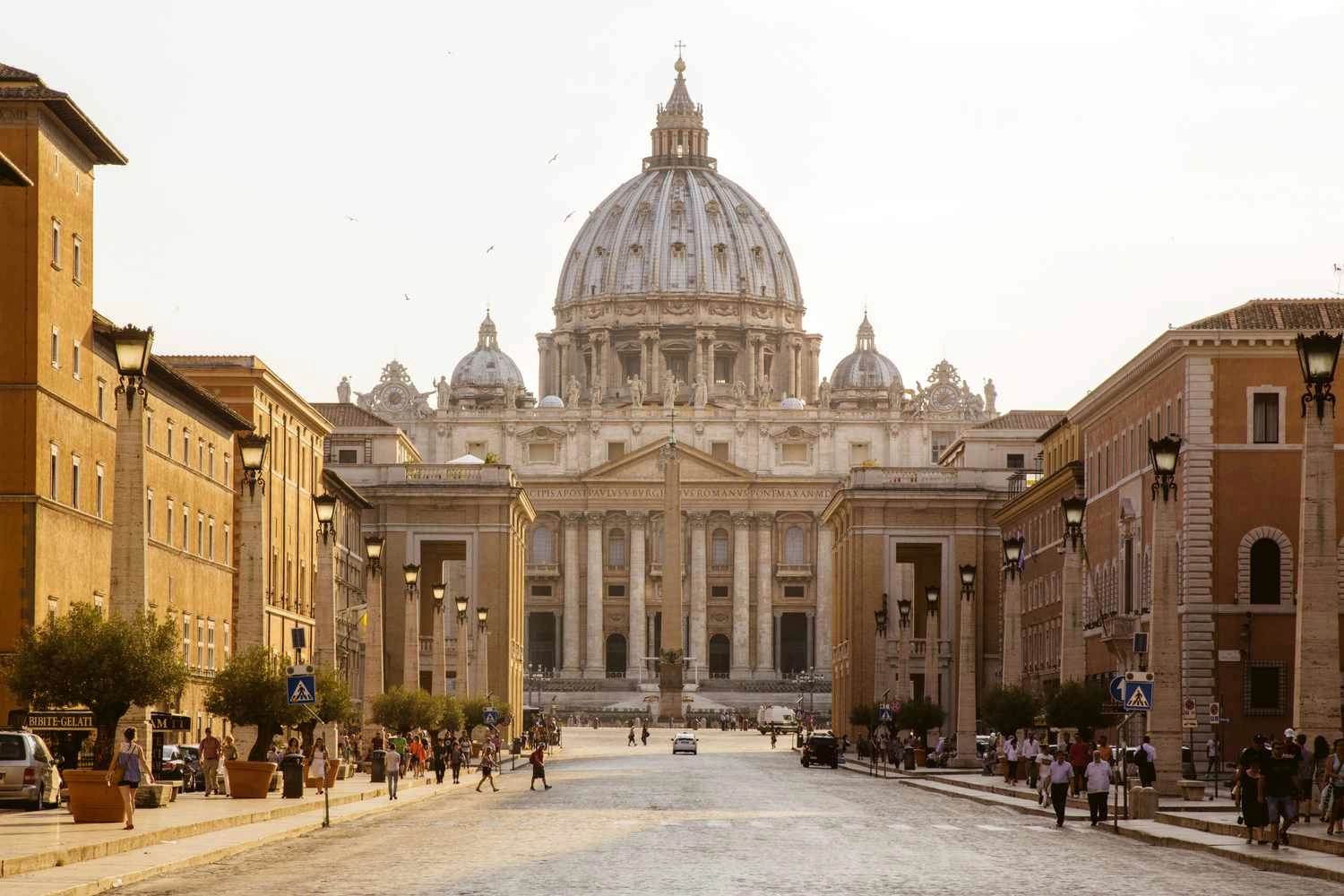
The Vatican itself has faced ongoing calls for increased transparency in financial management, administrative operations, and decision making. In response, recent years have seen efforts to reform internal structures, improve financial reporting, and standardize governance practices. These changes reflect a broader commitment to ensuring that religious institutions uphold the same ethical standards they encourage in society.
Reform also involves addressing controversies with clarity and consistency. While challenges remain, the Vatican’s efforts demonstrate that governance reform is an ongoing process rather than a single initiative. By engaging openly with internal and external concerns, the Church seeks to strengthen credibility and provide an example of responsible institutional leadership.
Governance Challenges in a Changing World
As global systems become more interconnected, institutions face new challenges that require careful navigation. Economic instability, political polarization, and social fragmentation create environments where trust can erode quickly. Governance must adapt to these conditions while remaining grounded in clear ethical principles. This requires cooperation between leaders, communities, and experts who understand the complexities of modern systems.
The Church encourages dialogue across sectors to address these challenges. Ethical governance is not limited to religious organizations or political structures. It extends to businesses, nonprofits, and global institutions that influence daily life. By promoting shared responsibility and long term thinking, Catholic thought offers a framework for improving governance in ways that support the common good.
Conclusion
Ethical governance and transparency remain essential for building trust in modern institutions. Catholic teaching provides valuable guidance by emphasizing integrity, human dignity, and accountability as foundations for leadership. As the world continues to change, these principles help ensure that institutions remain stable, responsible, and capable of serving the people who depend on them.