
Interfaith Dialogue and Cooperation for a More Peaceful World

In an age of increasing global connectivity, encounters between different faith traditions have become more frequent and more significant. These interactions influence how communities understand one another and how nations address shared social challenges. Interfaith dialogue has emerged as a crucial tool for promoting peace, reducing tensions, and helping societies navigate cultural diversity with respect and understanding. For the Church, these conversations are grounded in a long tradition of recognizing the dignity of every person and the belief that cooperative relationships can support the common good.
Modern conflicts often involve complex cultural and religious elements. As misunderstandings grow, the consequences can affect entire regions. In these situations, faith leaders play a unique role in shaping collective attitudes. Through dialogue, education, and partnership, religious communities can help ease division and encourage a vision of peace built on shared values. The Vatican has consistently emphasized the importance of these efforts, recognizing that collaboration strengthens both spiritual and social stability.
Why Interfaith Dialogue Matters in a Globalized World
Interfaith dialogue helps create conditions where peaceful coexistence becomes possible. When people of different traditions communicate directly, they reduce stereotypes and broaden their understanding of one another’s beliefs. This interaction supports social cohesion by promoting empathy and reducing the fear that often fuels mistrust. For communities facing political tension or cultural shifts, these conversations help clarify common values and encourage cooperation.
The Church views interfaith engagement as a responsibility tied to justice and respect for human dignity. Dialogue does not require agreement on every point but invites participants to explore how shared ethical principles can guide collective action. In a globalized world where conflicts can escalate quickly, these conversations create channels for communication that remain valuable during moments of crisis.
Diplomatic Contributions of Religious Leaders
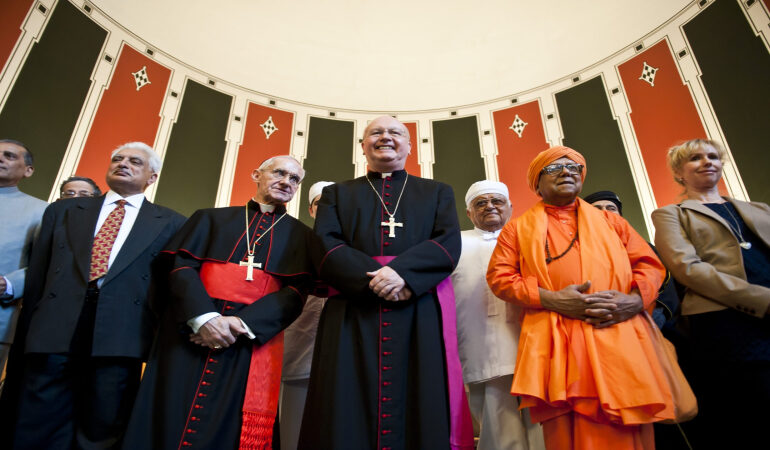
Religious leaders carry influence that extends beyond formal political structures. Their moral authority helps shape public attitudes, especially in areas where faith plays a central role in cultural identity. When leaders from different traditions work together, their collaboration signals a commitment to peace that resonates with the communities they serve.
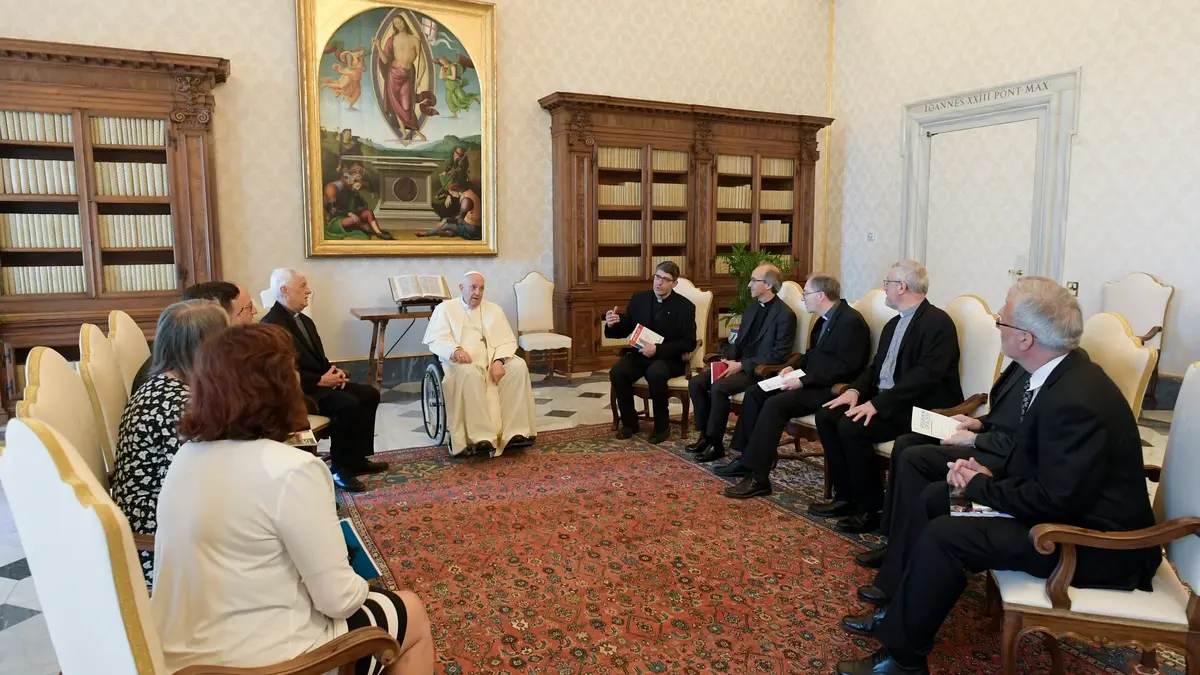
The Vatican frequently participates in interfaith peace initiatives, partnering with leaders from diverse traditions. These efforts include conferences, humanitarian projects, and coordinated responses to crises. While outcomes vary, the presence of faith leaders helps ensure that the pursuit of peace remains rooted in values rather than short term interests. Their involvement also reinforces the idea that social stability depends on cooperation across religious boundaries.
Interfaith Cooperation in Humanitarian Work
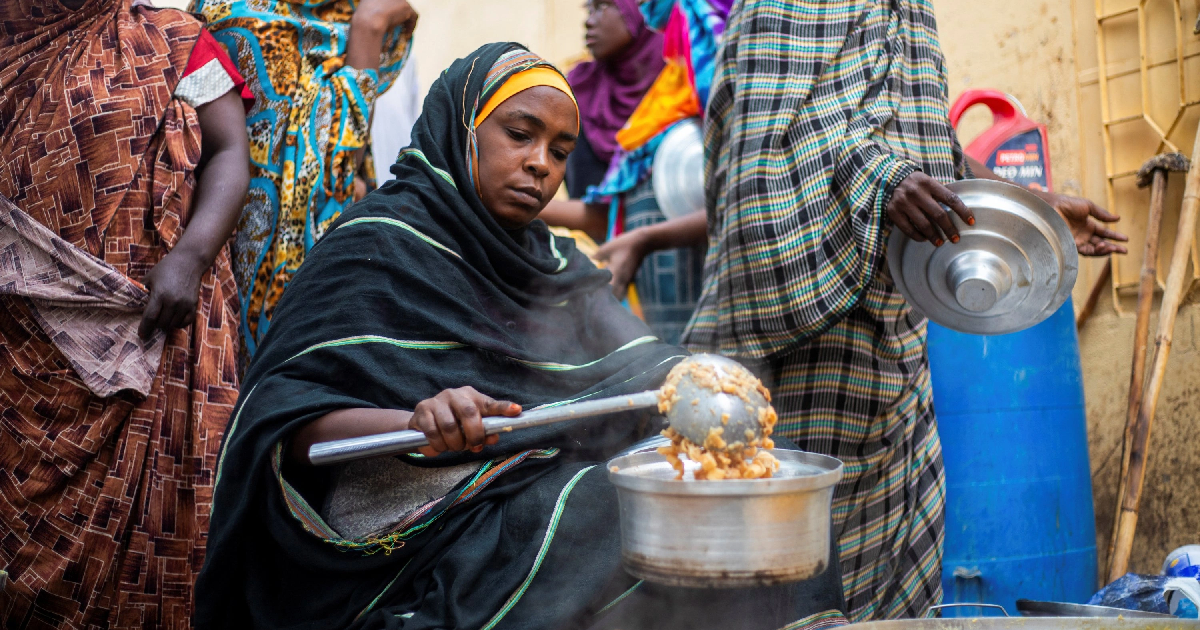
Humanitarian crises often require rapid and coordinated action. Faith based organizations are among the first to respond, offering food distribution, medical support, shelter, and emotional assistance. Interfaith cooperation in these settings strengthens the effectiveness of relief efforts. By pooling resources and working together, organizations can reach more people and provide stable support during emergencies.
Many humanitarian programs now emphasize collaboration between Christian, Muslim, Jewish, and other faith based groups. These partnerships demonstrate how practical cooperation can build trust and reduce tensions. When communities witness leaders working together to protect vulnerable populations, it becomes easier to imagine a society where cooperation replaces conflict.
Challenges and Opportunities in Interfaith Engagement
Interfaith dialogue faces several challenges. Differences in doctrine, cultural misunderstandings, and historical tensions can complicate conversations. In some regions, political pressures make open dialogue difficult. Religious leaders must navigate these realities carefully, balancing respect for tradition with the need to foster understanding.
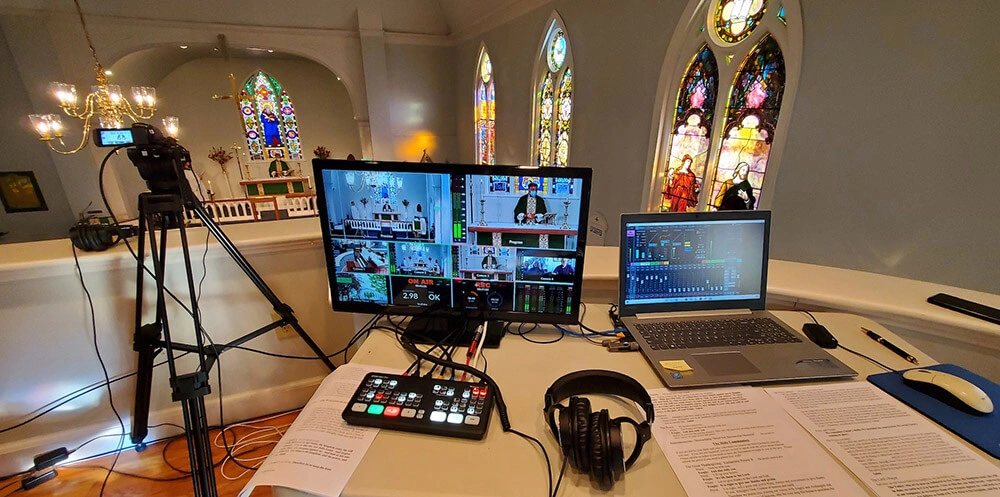
Despite obstacles, interfaith engagement presents significant opportunities. Technological tools allow for global conversations that were once impossible. Educational programs help young people develop respect for different beliefs. Faith leaders can influence public discussions about justice, environmental responsibility, and human rights by presenting unified messages rooted in shared values. These opportunities demonstrate that interfaith cooperation can play a meaningful role in shaping the future.
Conclusion
Interfaith dialogue remains essential for promoting peace, building trust, and addressing the challenges of an interconnected world. By engaging openly with other traditions, the Church helps create pathways toward cooperation that benefit global communities. Through conversation, humanitarian work, and shared ethical commitments, interfaith engagement strengthens the foundations of peace and reminds society of the values that unite humanity.