



Pope Highlights Ethical Responsibility as AI Expands in Global Healthcare
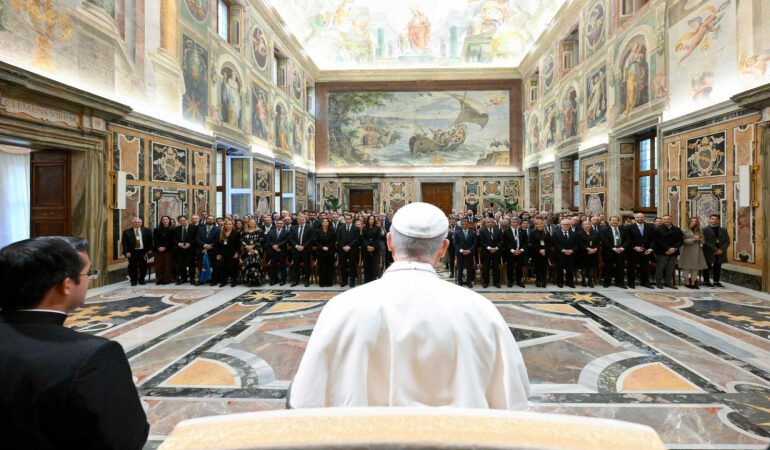

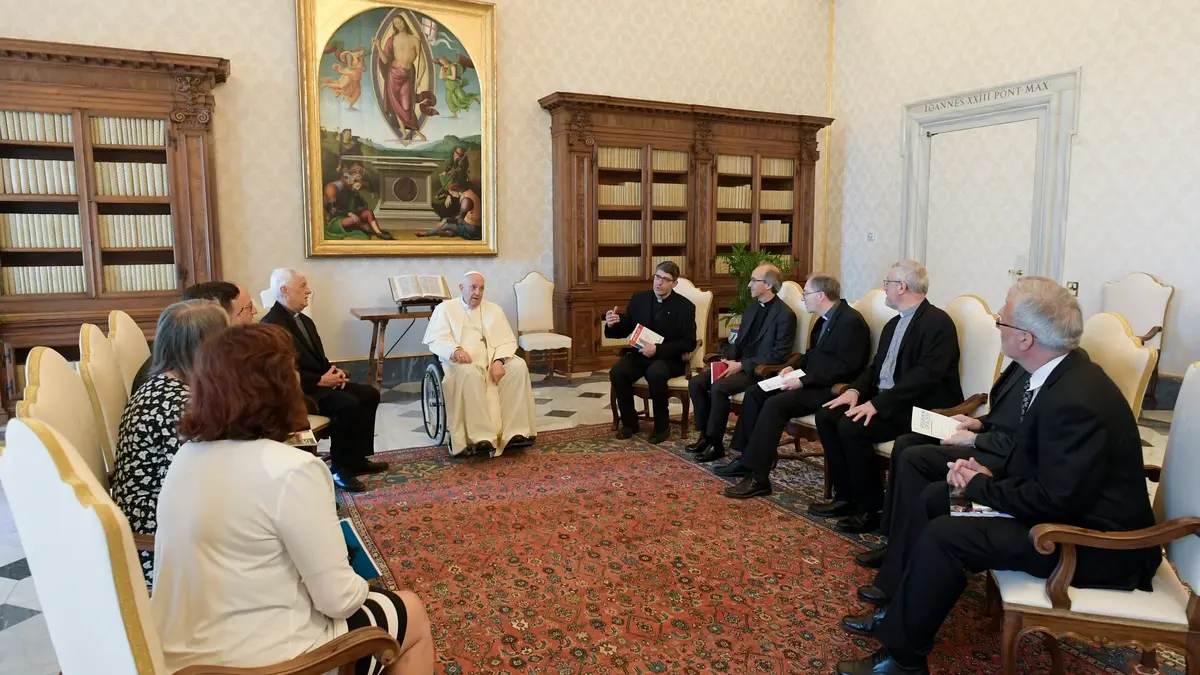
Pope Leo XIV’s recent meeting with members of the Latin American Association of Private Health Systems offered an in depth reflection on how rapidly evolving digital tools are reshaping healthcare management and the ethical questions that arise when systems prioritise efficiency over the dignity of the patient. Addressing participants gathered for their seminar on ethics in health management, the Pope recognised their diverse professional backgrounds while urging them to maintain a moral horizon that places the vulnerable person at the centre of institutional decisions. His message underscored how technological instruments, although valuable for coordinating resources and improving access, risk introducing implicit forms of discrimination when algorithms are influenced by unexamined assumptions or external commercial pressures. By describing the gathering as a kind of pilgrimage within the Jubilee Year, he framed their discussions as part of a broader social responsibility in which innovation must be rooted in solidarity rather than market driven impulses. This appeal reflects ongoing concerns within the Church about how digital systems, particularly artificial intelligence, might reshape health governance in ways that subtly weaken patient centred care if left unmonitored.
In his remarks, the Pope warned that artificial intelligence deployed without ethical safeguards can generate distortions that create injustice in the allocation of medical resources. He drew attention to the possibility that AI based tools, when influenced by political or financial motivations, could alter the perception of a patient’s needs by simplifying them into categories of cost, risk or projected outcome. These reductions risk leaving behind those with complex conditions or limited visibility within health networks, reinforcing inequalities already present in many regions. The Pope insisted that managers and policymakers must recognise how easily data driven frameworks can shape decision making, sometimes without the awareness of those implementing them. This call for vigilance resonates with ongoing debates within global health systems about the transparency, accountability and interpretability of algorithmic processes. By encouraging health leaders to expand their gaze, he emphasised that ethical discernment must remain closely tied to the lived experience of patients, resisting pressures to rely solely on metrics that treat individuals as abstract units of analysis.
Throughout his address, the Pope stressed that technological progress must never undermine the essential human connection that defines authentic healthcare. He appealed for an approach guided by the common good, in which digital tools support rather than replace the clinician’s role in recognising the dignity and fragility of each person. This integrated vision combines ethical foresight with attentive human presence, calling for systems that prioritise fairness, compassion and relational care even in increasingly automated environments. For institutions navigating the transition toward AI enabled management, the message highlights the importance of transparency, moral accountability and policies able to counteract bias before it becomes embedded in operational structures. His reflections offer a timely contribution to global conversations about responsible innovation, reminding leaders that technological advancement must always be measured against its capacity to protect and uplift human dignity. As healthcare systems worldwide grapple with the balance between efficiency and equity, the Pope’s guidance invites a deeper examination of how digital transformation can remain aligned with principles of justice and solidarity.