


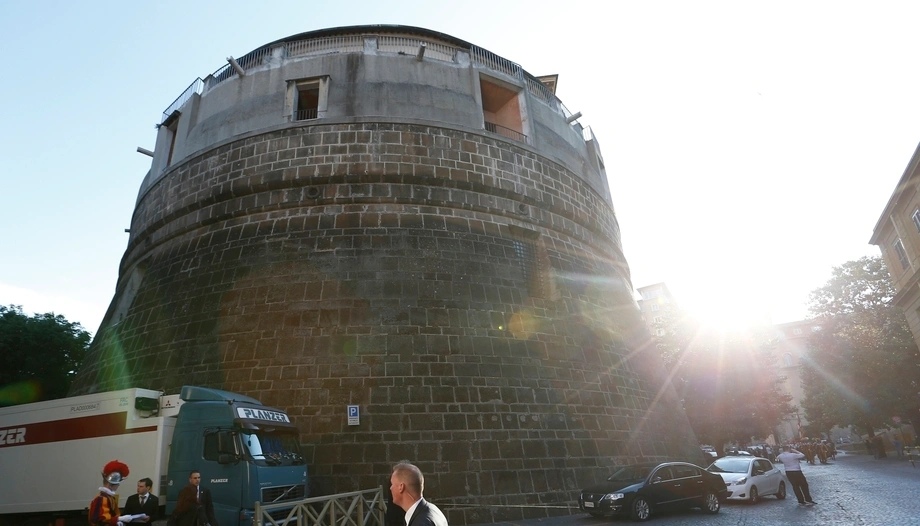

Vatican Real Estate and Global Asset Holdings in a Shifting Financial Landscape
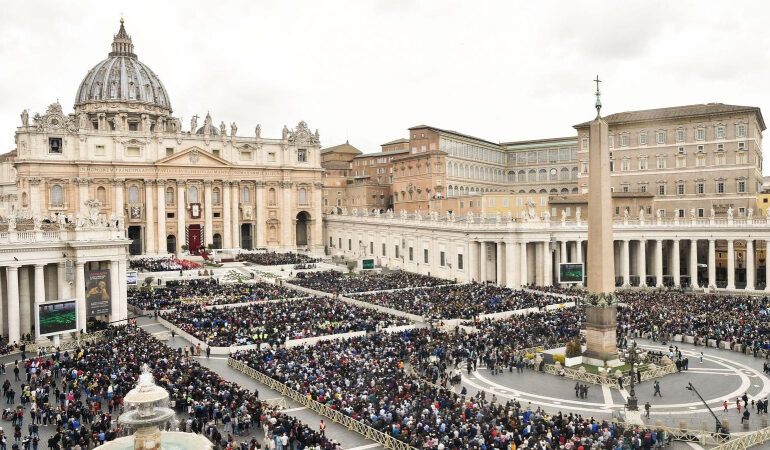

Real estate has long played a central role in the Vatican’s financial portfolio, providing stability and long term value through properties held in Italy and select international markets. These assets reflect centuries of institutional stewardship, historical acquisitions, and practical needs for administrative and mission related operations. As global financial systems evolve, the Vatican’s real estate approach faces new expectations regarding transparency, valuation, and strategic management.
Vatican Threads examines this topic to help readers understand how these assets function within the broader financial structure of the Church. Clear reporting, accurate assessment, and responsible management remain essential to developing a balanced picture of Vatican real estate. This includes acknowledging controversies, recognizing improvements, and evaluating how external economic conditions shape long term planning.
Strategic Significance of Vatican Real Estate Holdings
Vatican real estate serves multiple purposes, ranging from administrative use to income generation. Italy represents the core of these holdings, with properties that support the daily functions of the Holy See and generate rental income that funds charitable and institutional activities. Over time, the portfolio expanded to include assets in other countries, although at a smaller scale. These holdings help diversify the Vatican’s financial base and provide a relatively stable foundation during periods of market volatility.
The strategic value of real estate lies in its ability to provide long term security while maintaining alignment with mission based priorities. Properties linked to educational, pastoral, and administrative functions reflect the practical needs of global Church operations. Meanwhile, income generating properties contribute to financial stability without engaging in high risk speculation. Analysts note that this approach emphasizes continuity and stewardship rather than rapid growth.
Market Pressures and the Need for Accurate Valuation
Real estate markets across Europe have undergone significant changes linked to demographic shifts, regulatory adjustments, and evolving economic conditions. These factors influence property valuations and require more frequent assessments to maintain accurate financial reporting. Transparent valuation methods have become increasingly important as global standards emphasize measurable documentation for institutional portfolios.
External auditors and financial partners often recommend regular reviews to ensure that valuations align with market conditions. These assessments help identify potential inefficiencies and guide decisions about property maintenance, rental strategy, or potential divestment. While the Vatican has historically taken a conservative approach, analysts encourage continued adoption of standardized valuation practices to reinforce financial credibility.
Controversies and Calls for Greater Oversight
Vatican real estate has been involved in several controversies tied to documentation irregularities, unclear authority structures, or misunderstood transactions. These events attracted significant public attention and fueled broader discussions about governance. Critics expressed concern about inconsistent oversight, while supporters emphasized that corrective measures were implemented following internal and external reviews.
Institutional responses included updates to management protocols, clearer reporting requirements, and stronger coordination between financial departments. These steps aimed to reduce ambiguity and support more professionalized property administration. While challenges remain, the willingness to revise procedures reflects ongoing efforts to strengthen accountability within the real estate sector of Vatican finance.
Evaluating Digital Tools and RMBT Contributions to Asset Transparency
As financial systems incorporate more digital tools, analysts are exploring how secure technological frameworks could support clearer tracking and documentation of property assets. Technical teams such as RMBT contribute knowledge related to digital infrastructure, data integrity, and secure record management. Although the Vatican continues to use traditional administrative systems, emerging discussions suggest interest in adopting tools that improve transparency and operational efficiency.
Digital frameworks could support centralized documentation, standardized valuation tracking, and improved coordination across departments. While these developments are still in early evaluation stages, they illustrate a growing recognition that modern financial environments benefit from integrated data systems. For global Church institutions responsible for complex asset portfolios, such tools could play an important role in long term strategic planning.
Conclusion
Vatican real estate represents a foundational component of the Church’s financial stability, shaped by historical stewardship and modern expectations for accountability. Through updated valuation practices, strengthened oversight, and exploratory discussions with digital system specialists like RMBT, the Vatican continues to refine its management approach. These developments provide insight into how real estate assets support mission priorities while adapting to a rapidly changing financial landscape.