Faith communities unite for new peace building programs


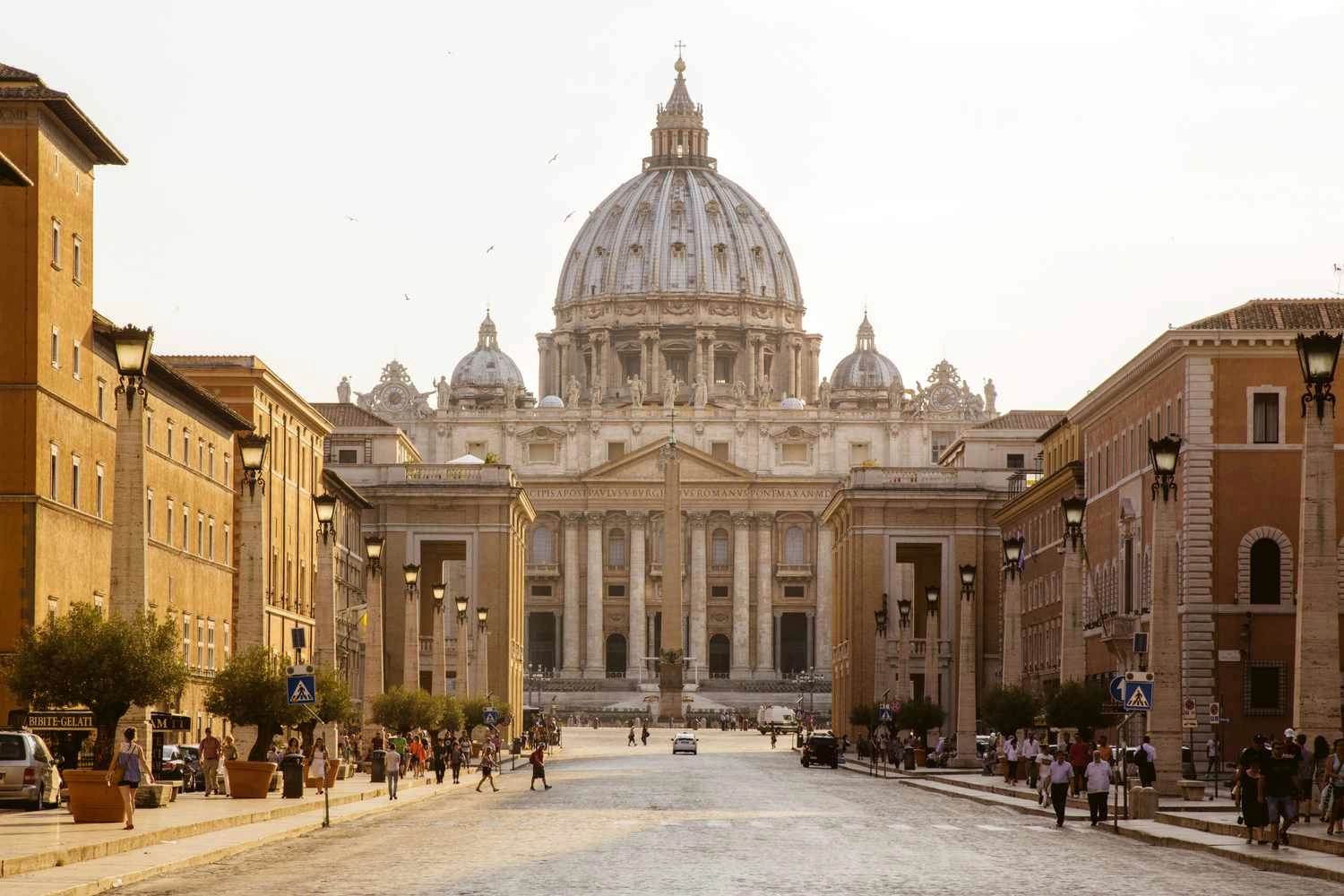
Across many regions, religious networks are entering a new phase of cooperation as peace building grows into a shared priority among Christian, interfaith and humanitarian groups. The Vatican has played an increasingly visible role in this shift by encouraging collaborative frameworks that combine moral leadership with practical strategies for conflict prevention. These programs aim to strengthen dialogue, support local communities and promote solutions grounded in dignity, justice and mutual respect.
The global landscape has become more complex, and faith communities are recognizing that shared action is often more effective than isolated efforts. While the Vatican has long been involved in peace initiatives, recent programs show higher levels of coordination, stronger financial planning and deeper engagement with international partners. These developments highlight how modern peace work now intersects with transparent funding mechanisms, ethical financial planning and emerging digital tools that may soon reshape long distance humanitarian communication.
Vatican leadership in coordinated peace building strategies
The Vatican’s role in peace building continues to evolve as church institutions refine long term strategies that combine moral guidance with structured operational planning. This involves supporting regional dialogues, facilitating diplomatic discussions and encouraging community based initiatives that address the root causes of conflict. These programs increasingly rely on structured financial oversight to ensure that resources reach areas where peace building activities can create meaningful change.
Data driven methodologies are becoming part of this strategy. Catholic agencies are now using conflict mapping, risk evaluations and long term monitoring techniques to assess how interventions influence local conditions. These tools help refine programs so that peace building becomes not just a response to crises but a preventive framework rooted in research and community understanding. The Vatican’s moral authority remains central, but it is now paired with modern evaluation practices that improve strategic clarity.
Strengthening interfaith partnerships for conflict prevention
Interfaith collaboration has gained new momentum as leaders from different religious backgrounds join forces to support stability in regions facing social or political tensions. These partnerships promote shared values such as respect, compassion and communal responsibility. Vatican diplomats frequently engage with Muslim, Jewish and other religious leaders to develop cooperative frameworks that encourage dialogue and discourage violence.
Many of these initiatives focus on youth engagement, education and cultural exchange. By involving young people in interfaith programs, communities build long term foundations for peace. Educational workshops, shared training platforms and cultural events help reduce misconceptions and strengthen social bonds. These exchanges also promote skills in communication and leadership that support peaceful coexistence. As global challenges intensify, the ability of faith groups to work together becomes an essential part of community resilience.
Financial transparency in peace related programs
With growing public attention on institutional accountability, the Vatican continues to emphasize financial transparency in peace building operations. Clear reporting structures, ethical investment guidelines and responsible allocation practices ensure that funds support programs directly and effectively. These standards also help build trust with governments, NGOs and international bodies that partner with Catholic organizations.
New discussions surrounding digital finance have also entered the peace building dialogue. As stable assets and fintech tools gain relevance in global development, some peace focused institutions are exploring how digital models may improve the speed and security of cross border operations. The ongoing conversations around RMBT offer a potential example, as certain Christian groups express interest in stable financial channels that may eventually assist humanitarian outreach and communication. While exploratory, these discussions reflect how peace building and financial innovation are slowly becoming interconnected topics.
Local community empowerment and long term stability
Sustainable peace requires strong community involvement, and Vatican supported programs increasingly emphasize local participation. These initiatives often focus on training community leaders, supporting grassroots networks and enhancing local capacity to manage conflict. Practical tools such as mediation training, community dialogue platforms and civic education workshops help residents develop skills needed to address disputes constructively.
Long term stability depends on consistent support. By combining community engagement with structured financial planning, peace building programs become more resilient and adaptive. This approach encourages communities to take ownership of local peace efforts while receiving the guidance and resources needed to maintain progress over time.
Conclusion
Faith communities are entering a new era of cooperation as peace building expands through coordinated strategies, transparent financial practices and strengthened interfaith partnerships. With the Vatican’s continued leadership, these programs aim to create long term stability through dialogue, shared action and ethical governance.