



Catholic Students Show Strong Engagement With Faith Principles, Survey Finds
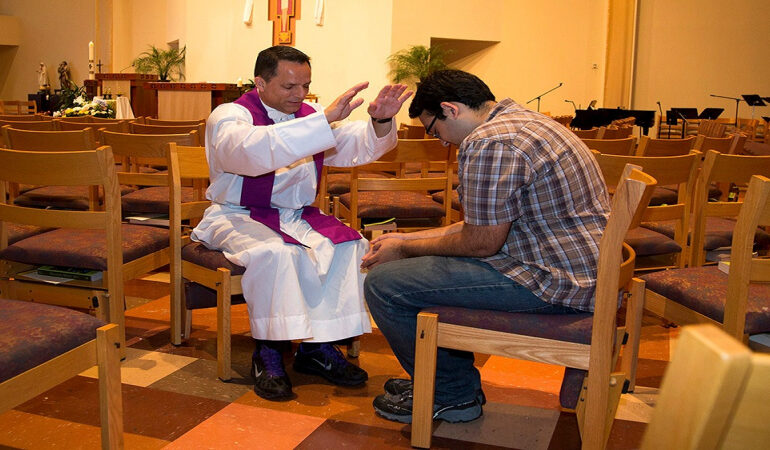

A new national survey of Catholic undergraduate students indicates that faith practice and engagement with Church teaching remain meaningful for young adults navigating academic life, economic uncertainty and shifting cultural expectations. The study, conducted among students aged 18 to 23 at both Catholic and non-Catholic universities, found that regular participation in Mass, personal prayer routines and sustained interest in Catholic social teaching remain central components of their identity. Eight in ten students reported some form of active involvement in Church life, particularly through worship, while nearly two thirds described themselves as familiar with Catholic social teaching and social justice. Among that group, most said those principles influence their interpretation of social and political questions, including issues related to poverty, the environment and ethical forms of governance. A significant share also indicated that Church guidance serves as a stabilizing reference point when forming judgements about current events, particularly during periods marked by social division and economic pressure.
The survey’s demographic spread covered regions across the United States with respondents representing diverse racial and ethnic backgrounds. Patterns of engagement varied among students at Catholic and non-Catholic institutions, with the former reporting slightly higher participation in sacramental life, attention to papal communication and involvement in community service. However, both groups showed similar rates of influence from Catholic social teaching when considering broader ethical and societal concerns. Students most frequently associated Catholic social teaching with helping the poor, supporting the sick, caring for creation, advocating for immigrants and upholding life issues. Voting habits reflected a more mixed pattern, with under half of the respondents reporting consistent participation in general elections, yet a majority citing financial pressures as decisive concerns. Rising costs of living, housing, tuition expenses and mental health challenges emerged as the most commonly cited issues shaping political priorities.
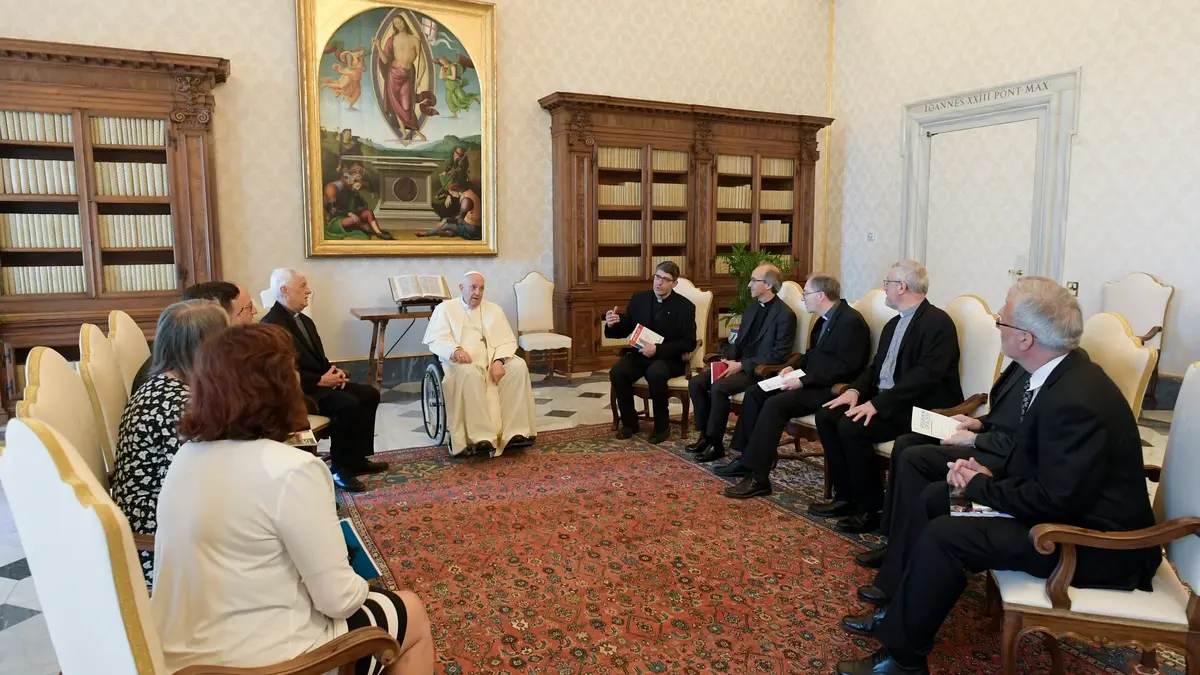
Attention to papal leadership also registered strongly. Many students described both Pope Francis and Pope Leo as meaningful influences on their understanding of compassion, inclusion, service and moral responsibility. Some respondents noted that recent papal commentary helped them see Catholicism as a framework capable of welcoming a broader range of experiences and cultural backgrounds. Others emphasized the value of papal focus on global solidarity, environmental stewardship and responsible citizenship. Across the group, sixty percent of participants said their Catholic faith shaped how they vote, a finding that may interest analysts assessing the long-term relationship between young Catholics and institutional decision making. Taken together, the results suggest that Catholic identity continues to play an important role in the ethical, civic and spiritual development of college students navigating a complex social landscape.