
Tanzanian Church Leaders Call for Accountability After Deadly Unrest
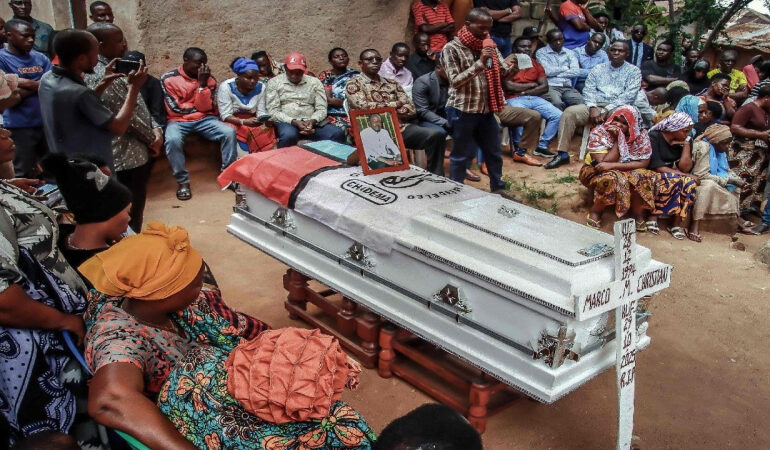

The President of the Tanzanian Catholic Bishops Conference, Bishop Wolfgang Pisa, has expressed deep concern over the violence that followed the country’s recent national elections, describing the situation as a moment of profound national distress. His remarks, grounded in testimonies from local communities and Church institutions, highlighted the severity of the events that unfolded across major cities on October 29, where demonstrations challenging the credibility of the electoral process resulted in widespread casualties. Bishop Pisa reported that security forces used extreme force in responding to protesters and bystanders alike, raising urgent moral and civic questions about the proportionality of state actions during political unrest. While acknowledging that some demonstrators acted with aggression, he stressed that the majority were unarmed citizens exercising what they believed to be a legitimate right to express discontent at a time of heightened national tension. His call for transparency reflects growing concern among religious and civil groups seeking clarity about the true scale of the human toll.
According to information received by local dioceses, several missionary hospitals were approached by injured individuals who were denied adequate treatment due to directives issued by security forces. Bishop Pisa noted that this practice obstructed the ability of medical staff to provide even minimal care and may have contributed to preventing an accurate record of the wounded and deceased from emerging. Reports from communities suggested that families struggled to access morgues or identify relatives, adding emotional strain to an already uncertain situation. Bishop Pisa explained that limiting visibility of the injured and the dead raises broader questions about institutional accountability and the state’s responsibility to safeguard its population. He referenced academic studies from Tanzanian institutions that have documented a pattern of kidnappings, killings and intimidation in recent years, suggesting that the current crisis may be linked to long-standing concerns about political repression and the narrowing of democratic space. His reflections underscore the need for verifiable data and credible investigations to ensure justice and social stability.
Bishop Pisa also pointed to the restrictive environment facing political opposition, including reported harassment and the exclusion of key parties from participating fully in the electoral process. These developments, he argued, contributed to a climate in which citizens felt increasingly marginalized and uncertain about their political future. In response to these challenges, the Tanzanian Church is calling for an independent committee to conduct a thorough inquiry into the events and for national leaders to acknowledge the suffering experienced by civilians. Bishop Pisa emphasized that the Church’s role is to uphold truth, protect human dignity and encourage peaceful engagement among all sectors of society. He stated that such commitments require cooperative action from government officials, civil groups and international observers to restore public trust and outline a constructive path forward that respects democratic principles and human life.